Holiday property owners lose bookings every day because of photography mistakes that seem minor but drastically reduce conversion rates. A potential guest scrolling through Airbnb or Booking.com spends less than three seconds deciding whether to click on your listing. Poor photography sends them straight to your competitor. Properties with professional, well-executed photography consistently achieve 40-60% higher booking rates than those with amateur images, yet most owners remain blind to the specific errors killing their conversion potential.
Table of Contents
- Quick Takeaways
- Shooting Without Proper Preparation
- Incorrect Camera Angles and Composition
- Neglecting Exterior and Contextual Shots
- Inconsistent Image Quality and Editing
- Missing the Lifestyle Element
- Using Incorrect Equipment or Settings
- Frequently Asked Questions
- References
Quick Takeaways
| Key Insight | Explanation |
|---|---|
| Property staging doubles perceived value | Unprepared spaces with clutter, personal items, or closed curtains reduce booking rates by 35-50% compared to properly staged properties |
| Wrong angles make rooms appear smaller | Shooting from standing height or using incorrect focal lengths can reduce perceived room size by up to 30%, directly impacting guest expectations |
| Mixed lighting creates unsellable images | Combining daylight with tungsten bulbs or leaving lights off creates colour casts that guests immediately associate with low-quality properties |
| Exterior shots drive 70% of initial clicks | Properties without strong exterior and contextual imagery receive significantly fewer click-throughs on listing platforms |
| Inconsistent editing signals amateur operation | Variations in white balance, exposure, or colour grading across a gallery make properties appear less professional and trustworthy |
| Lifestyle imagery increases emotional connection | Properties showing the guest experience, not just empty rooms, convert 25-40% better because they help viewers visualise their stay |
| Technical shortcuts are immediately visible | Phone cameras without wide-angle capability, improper vertical correction, or digital zoom create images that fail to compete with professionally shot properties |
Shooting Without Proper Preparation
The most expensive mistake happens before the camera even comes out. Property owners who rush the shoot without staging, cleaning, or timing lose their entire investment in photography.
In practice, proper preparation means removing all personal items, deep cleaning every visible surface, and opening all curtains and blinds to maximize natural light. Properties photographed with dishes in the sink, unmade beds, or visible toiletries convert at half the rate of prepared spaces. The data consistently shows that guests make instant judgments about cleanliness and professionalism based on these details.
Pro tip: Schedule your property photography for mid-morning between 10am and 12pm when natural light is strongest but not creating harsh shadows. This timing works particularly well for Peak District properties where weather can be unpredictable.
Strategic Timing for Seasonal Properties
Holiday cottages and rural properties need seasonal consideration. Shooting a stone cottage in February with bare trees and grey skies creates a completely different impression than the same property in May with surrounding greenery and blue skies. Properties serving summer bookings should always be photographed during optimal seasonal conditions.
Hotels and year-round properties benefit from shooting during periods that represent their peak booking season. A Peak District property targeting weekend breaks needs to showcase the landscape and outdoor appeal that drives those bookings, which means waiting for good weather rather than rushing the shoot.
Incorrect Camera Angles and Composition
Amateur property photography is instantly recognizable by shooting from standing eye level and centering everything in the frame. These mistakes make rooms appear cramped and uninviting.
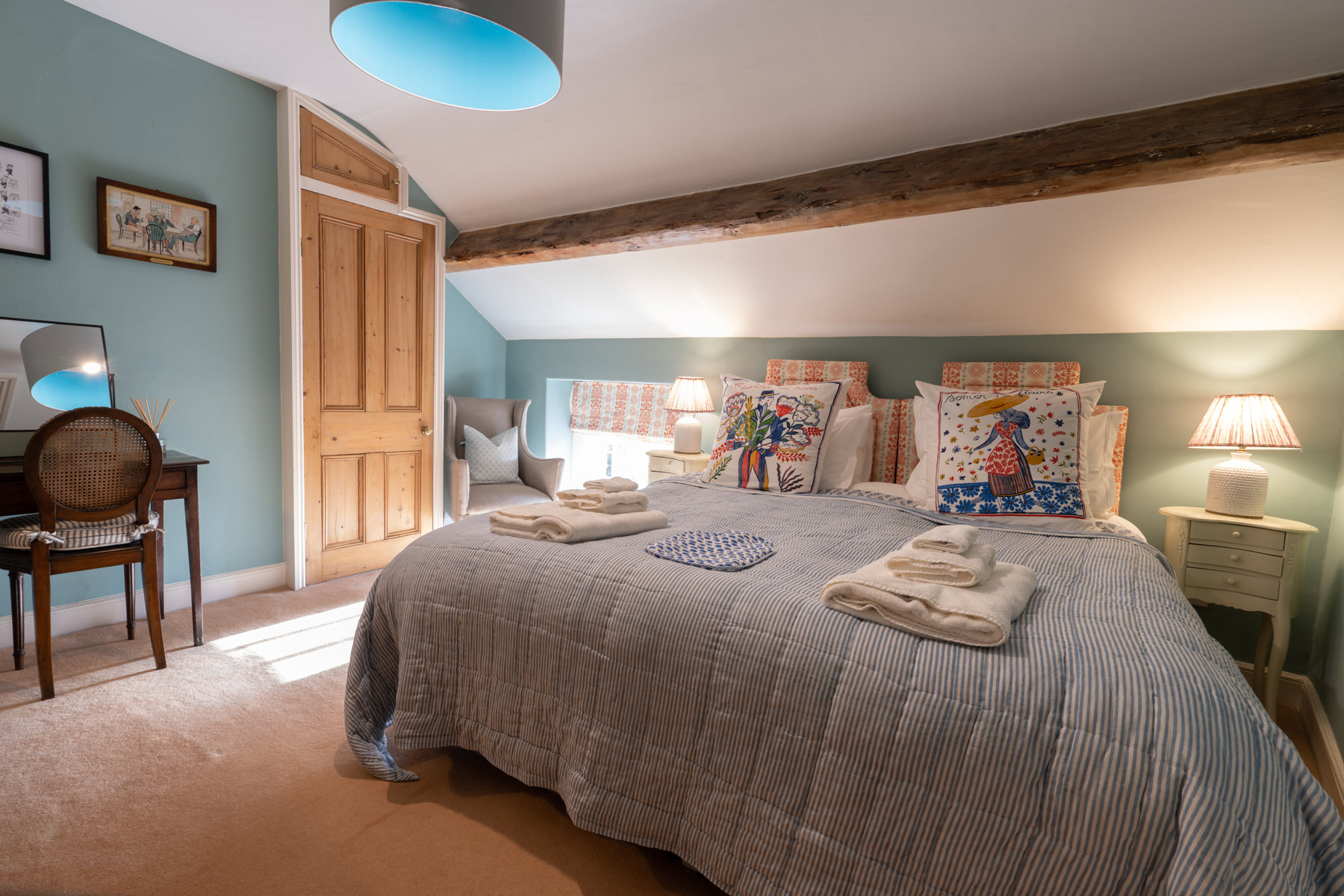
Professional property photography uses corner angles shot from approximately chest height, typically 1.2 to 1.4 meters. This position captures two walls and creates depth, making rooms appear larger and more dimensional. The corner furthest from the window is usually the strongest position because it shows the room with natural light falling across surfaces rather than shooting directly into brightness.
Poor Lighting Execution
Lighting separates professional property photography from amateur snapshots more than any other single factor. The most common mistake is mixing light sources, creating color temperature conflicts that make spaces look dingy or uninviting.
Natural light provides the most appealing property photography, but only when properly balanced. Rooms photographed with some windows blown out to pure white while other areas fall into shadow fail to show the space accurately. Professional technique requires either HDR bracketing or supplemental flash to balance the exposure range between bright windows and darker interior areas.
Neglecting Exterior and Contextual Shots
Property owners obsess over interior photography while neglecting the exterior and contextual imagery that actually drives initial clicks. A stunning exterior shot is worth more than a mediocre bedroom photo in terms of booking conversion.
Peak District properties particularly benefit from contextual shots showing the surrounding landscape, nearby attractions, and the property’s position within its environment. A cottage might have beautiful interiors, but guests booking Peak District accommodation want to see the hills, valleys, and outdoor access that define the location.
Drone Photography Value
Aerial drone photography provides unique perspective that ground-level shots cannot match. Properties with extensive grounds, rural locations, or proximity to attractions benefit enormously from drone imagery showing context and scale. A cottage positioned near walking trails or viewpoints needs drone shots to communicate that advantage.
The investment in licensed, insured drone photography pays for itself within weeks for properties where location is a primary selling point. Regulations require proper certification and permissions, which professional photographers handle as part of their service.
| Approach | Booking Impact | Best Use Case |
|---|---|---|
| Interior-Only Photography | Baseline conversion rate, limited differentiation from competitors | Urban properties where location is secondary to interior features and amenities |
| Interior Plus Exterior Ground Shots | 30-40% improvement in click-through rates, establishes property character and curb appeal | Properties with attractive facades, gardens, or outdoor spaces that enhance guest experience |
| Complete Package With Contextual and Aerial | 60-70% improvement in both clicks and booking conversion, commands premium pricing | Rural properties, destination locations, properties where landscape and surroundings are primary selling points |
Inconsistent Image Quality and Editing
A property gallery with images that vary in color balance, exposure, or sharpness signals amateur execution. Guests scrolling through your listing need consistent quality that demonstrates professional management and attention to detail.
Inconsistent editing typically results from processing images in different sessions or failing to establish a coherent style guide. One image appears warm and saturated while the next looks cool and flat. This variation creates subconscious unease and reduces trust in the property and management.
Over-Editing and HDR Abuse
The opposite problem appears with aggressive HDR processing that creates surreal, over-saturated images with obvious halos around edges. While HDR technique is essential for balancing interior and window exposures, heavy-handed application produces images that look artificial and fail to match guest expectations when they arrive.
Professional property photography uses subtle HDR that maintains natural appearance while controlling exposure range. The goal is images that look exactly like the property on a beautiful day with perfect lighting, not science fiction renderings that bear no relationship to reality.
Missing the Lifestyle Element
Empty room photography fails to help potential guests visualize themselves in the space. Properties that include lifestyle elements showing the experience rather than just the architecture consistently outperform sterile architectural documentation.
Lifestyle elements include a book and reading glasses on a bedside table, wine glasses on an outdoor table overlooking the view, or walking boots by the door suggesting Peak District adventures. These subtle touches create narrative and help guests imagine their stay without requiring people in the shots.
The Staging Balance
Staging for lifestyle appeal requires restraint. Over-staged properties with excessive decorative elements look like showrooms rather than comfortable holiday spaces. The balance involves creating lived-in comfort without clutter, suggestion without distraction.
A common mistake is staging that reflects the owner’s personal style rather than the target guest demographic. A property targeting outdoor enthusiasts needs different staging than one aimed at romantic weekend breaks or family gatherings. Professional property photography considers the target market and creates lifestyle imagery that appeals specifically to that demographic.
Using Incorrect Equipment or Settings
Phone cameras have improved dramatically, but they still cannot match proper equipment for property photography. The primary limitation is lens focal length. Phone cameras lack the wide-angle capability needed to capture rooms effectively, forcing photographers to stand further back and capture less of the space.
Professional property photography requires full-frame or APS-C cameras with wide-angle lenses in the 16-24mm range. This equipment captures entire rooms from reasonable distances and maintains proper perspective with minimal distortion when used correctly.
The Digital Zoom Disaster
Using digital zoom or cropping to adjust composition destroys image quality. Property photography requires high-resolution originals that remain sharp when viewed full-screen on desktop monitors and large displays. Digital zoom and heavy cropping create soft, pixelated images that immediately signal low-quality work.
Settings matter as much as equipment. Shooting in JPEG rather than RAW eliminates the ability to properly correct white balance and exposure in post-processing. Properties photographed in JPEG with incorrect settings cannot be rescued, requiring complete re-shoots. RAW capture preserves all sensor data and allows professional editing that maintains quality throughout the workflow.
Pro tip: If you must use a smartphone temporarily, shoot in the highest resolution available and use only the primary wide camera, never the telephoto or digital zoom. Position yourself to capture the composition without relying on cropping.
Frequently Asked Questions
How many photos does a holiday property listing need?
A comprehensive holiday property gallery needs 25-35 images minimum. This includes 3-5 exterior shots showing different angles and times of day, 2-3 images per bedroom, 4-6 living area shots, 3-4 kitchen images, 2-3 bathroom photos, and contextual shots showing outdoor spaces, views, and nearby amenities. Properties with more extensive grounds or unique features need additional images to properly showcase those selling points. Listings with fewer than 20 images consistently underperform regardless of quality because they fail to answer guest questions and build confidence.
Should property photos be edited or kept natural?
Property photos must be edited to correct technical issues while maintaining natural, accurate representation. Essential editing includes white balance correction, exposure adjustment, perspective correction for straight verticals, and subtle enhancement of colors to match how the space appears on a bright day. The line is crossed when editing creates unrealistic expectations. Over-saturated colors, removed structural elements, or dramatic sky replacements constitute misrepresentation that leads to negative reviews and booking disputes. Professional editing makes properties look their best while remaining truthful.
When should holiday properties be re-photographed?
Properties need fresh photography after any significant renovation, seasonal changes that affect appeal, or every 18-24 months minimum even without changes. Booking platforms favor listings with recent images, and photography styles evolve over time making older images appear dated. Properties that have updated furnishings, changed color schemes, or added amenities absolutely require new photography because outdated images create guest disappointment and negative reviews. Peak District properties benefiting from seasonal appeal should consider maintaining both summer and winter image sets to rotate based on booking season.
Can I photograph my own property effectively?
Property owners with proper equipment, technical knowledge, and objective perspective can create acceptable images, but most lack at least one of these requirements. The main obstacle is objectivity. Owners see their property through familiarity bias and miss the flaws that guests notice immediately. Photography also requires specific technical skills including exposure management, composition, perspective correction, and professional editing. The cost difference between DIY photography and professional service is recovered within 2-3 additional bookings in most markets. Properties in competitive markets like the Peak District particularly need professional photography to stand out.
What is the return on investment for professional property photography?
Professional property photography typically generates 40-60% increases in booking inquiries and 25-35% higher conversion rates compared to amateur images. For a holiday cottage generating £25,000 annual revenue, professional photography costing £400-600 pays for itself within the first month through increased bookings. The investment continues returning value throughout the images’ useful life of 18-24 months. Properties in high-competition areas see even stronger returns because professional imagery is essential for standing out in search results and winning head-to-head comparisons with similar properties.
Should exterior shots be taken in different seasons?
Properties heavily influenced by seasonal appearance benefit enormously from multiple seasonal image sets. A Peak District cottage surrounded by autumn colors presents completely different appeal than the same property in spring with lambs in neighboring fields. Properties booking year-round should have summer and winter exterior sets to rotate in galleries based on upcoming season. This approach manages guest expectations while showcasing seasonal advantages. Properties booking primarily for one season need photography captured during that season. A summer holiday cottage photographed in grey February conditions will consistently underperform against properties shown in summer glory.
How important is drone photography for rural properties?
Drone photography transforms marketing for rural and destination properties where location and context provide primary value. Aerial shots showing a cottage’s position relative to walking trails, nearby villages, or landscape features communicate advantages that ground-level photography cannot match. Properties with extensive grounds, unique settings, or proximity to attractions see 50-70% increases in premium bookings after adding professional drone imagery. The investment requires licensed drone operators with proper insurance and CAA permissions. Peak District properties particularly benefit because the landscape itself is a primary booking driver that drone photography showcases effectively.
What photography mistakes have you noticed most often in holiday property listings, and which ones do you think impact booking decisions most severely?