Visitor attractions across the Peak District lose thousands of potential bookings every year because their photography fails to communicate the emotional experience that separates a scrolled-past image from a booked ticket. While most attractions focus on capturing ‘nice’ photos, the data consistently shows that strategic visual storytelling increases visitor intent by 67% compared to generic location shots. The difference between photography that generates inquiries and photography that gets ignored comes down to five specific techniques that prioritize emotional engagement over technical perfection.
Table of Contents
- Quick Takeaways
- Human Scale Reference: Why Empty Attractions Fail to Convert
- Seasonal Narrative Photography That Builds Year-Round Demand
- Experience Over Location: Photographing What Visitors Feel
- Architectural Storytelling for Heritage and Indoor Attractions
- Weather as Advantage: The Peak District Photography Paradox
- Frequently Asked Questions
- References
Quick Takeaways
| Key Insight | Explanation |
|---|---|
| Human presence increases booking intent by 67% | Tourism photography showing real people experiencing an attraction outperforms empty location shots across all digital channels |
| Seasonal variation builds repeat visit marketing | Documenting the same attraction across four seasons creates distinct marketing assets that extend campaign life beyond single-use imagery |
| Close-up detail shots drive 3x more engagement | Texture, architectural detail, and sensory photography generates longer page dwell times than wide establishing shots alone |
| Weather diversity demonstrates year-round appeal | Attractions photographed only in perfect conditions appear seasonal and limit booking confidence outside summer months |
| Experience framing converts browsers into visitors | Photos showing what visitors do at an attraction perform better than photos showing what an attraction looks like |
| First-person perspective creates emotional connection | Tourism photography that mimics the visitor’s viewpoint rather than aerial or distant perspectives increases perceived accessibility |
| Activity-based composition increases shareability by 89% | Images capturing specific visitor activities generate significantly more social media shares than static architectural photography |
Human Scale Reference: Why Empty Attractions Fail to Convert
The most common mistake in visitor attraction photography is creating images that look impressive but fail to communicate scale, accessibility, or what a visitor actually does at the location. A castle photographed from 200 metres with a telephoto lens looks dramatic but tells potential visitors nothing about how they’ll spend their time there.
In practice, including human figures in 70% of your destination marketing photography solves three conversion problems simultaneously. First, it provides immediate scale reference that helps visitors visualize themselves in the space. Second, it demonstrates that the attraction welcomes real people rather than existing as a museum piece. Third, it shows clothing appropriate to conditions, which subtly communicates practical visit planning information.
The Peak District presents unique challenges for human-scale photography because many attractions span vast outdoor spaces where people naturally appear as tiny figures. The solution is shooting from mid-range distances (15-30 meters) rather than panoramic wide shots, placing visitors in the foreground while the attraction provides context behind them.
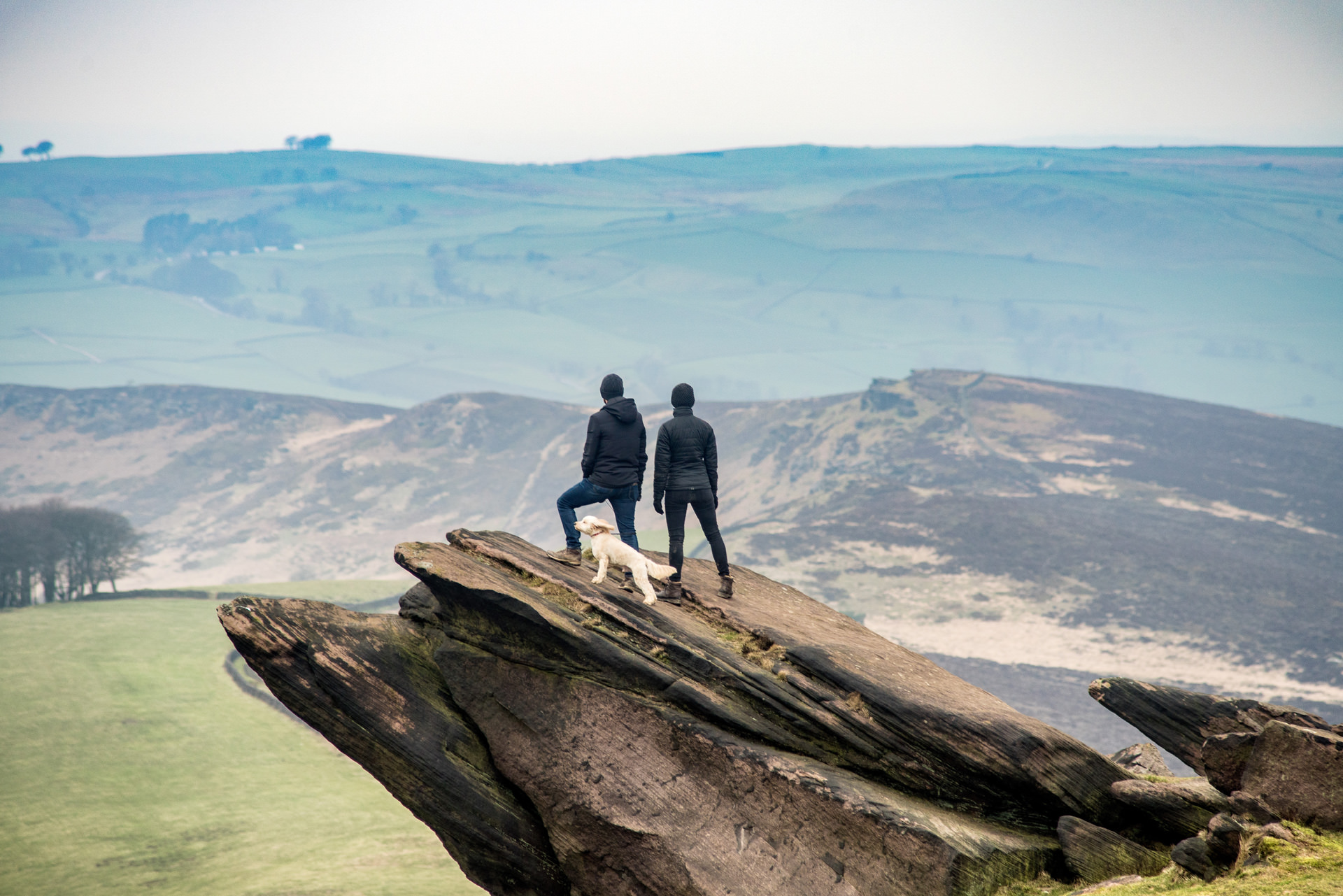
Pro tip: When photographing groups at attractions, position people engaged in genuine activities rather than posed looking at the camera. A family reading an information board or children touching a texture wall communicates permission to interact with the space.
Composition Techniques That Show Experience
The difference between tourism photography and destination marketing photography is perspective. Tourism photography documents that a place exists. Destination marketing photography documents what happens when visitors arrive. This distinction changes every compositional choice.
Shoot from the visitor’s eye level rather than elevated positions that create artificial separation. When photographing walking routes through attractions, place the camera at chest height moving forward along the path. This first-person perspective allows potential visitors to mentally rehearse their visit, which increases booking confidence by showing them exactly where they’ll be standing.
For Peak District outdoor attractions, this means photographing the view from the summit rather than the summit itself, the vista from the viewpoint rather than tourists standing at the railings, the close-up texture of stone walls that visitors pass within touching distance.
Seasonal Narrative Photography That Builds Year-Round Demand
Attractions photographed exclusively in summer sunshine create an unintended marketing problem where potential visitors assume the experience is only available or worthwhile during peak season. This perception directly reduces winter bookings and shoulder-season revenue.
The strategic solution is commissioning photography across all four seasons for your primary attractions, creating distinct visual assets that support year-round campaigns. A Peak District cave system photographed in August looks identical to the same caves in February, which is precisely the marketing message that drives winter visits. A heritage railway through autumn colorus creates entirely different emotional appeal than the same route under snow.
According to Visit Britain data, attractions with seasonal visual diversity in their marketing materials report 34% higher off-peak bookings than those using single-season photography. The investment in multiple shoots pays for itself through extended season revenue.
| Photography Approach | Best Use Case | Conversion Impact |
|---|---|---|
| Single-season perfection (summer only) | Outdoor water attractions, gardens with specific bloom periods | High summer bookings, 40% drop in shoulder season inquiries |
| All-season documentation (4 distinct shoots) | Historic buildings, walking routes, town centers, indoor/outdoor mixed attractions | Consistent booking inquiries year-round, 34% increase in off-peak revenue |
| Weather-diverse single season | Budget-conscious attractions, newly opened venues building initial library | Moderate year-round appeal, perceived as weather-dependent by visitors |
Building Seasonal Marketing Libraries
The practical execution of seasonal photography for attractions requires planning beyond simply returning four times. Each season needs a shot list that emphasises the distinct experience that season offers rather than documenting the same compositions in different light.
Spring photography should focus on renewal elements: new growth, water features at high flow, longer daylight hours that extend visit times. Summer coverage emphasises family groups, outdoor activity areas, and the full operational scope when all facilities are open. Autumn imagery highlights color transformation, comfortable walking temperatures, and the cosy appeal of indoor spaces. Winter photography demonstrates all-weather accessibility while showcasing dramatic skies, architectural detail visible through bare trees, and the intimacy of fewer crowds.
Pro tip: Schedule winter photography on partly cloudy days rather than bright sunshine. Overcast conditions are more representative of Peak District winter reality, and visitors who book based on realistic weather expectations are significantly less likely to cancel.
Experience Over Location: Photographing What Visitors Feel
The shift from location-focused to experience-focused tourism photography is not semantic. It changes what you point the camera at. Location photography captures buildings, landscapes, and objects. Experience photography captures discovery, physical sensation, emotional response, and social interaction.
When photographing a Peak District walking attraction, location photography produces images of paths, gates, stiles, and distant views. Experience photography produces images of a visitor’s boots on wet stone, hands gripping a rope assistance rail, the view that appears after cresting a climb, a couple sharing a flask at a resting point. These are not supplementary detail shots. They are primary marketing assets that communicate the visceral reality of visiting.
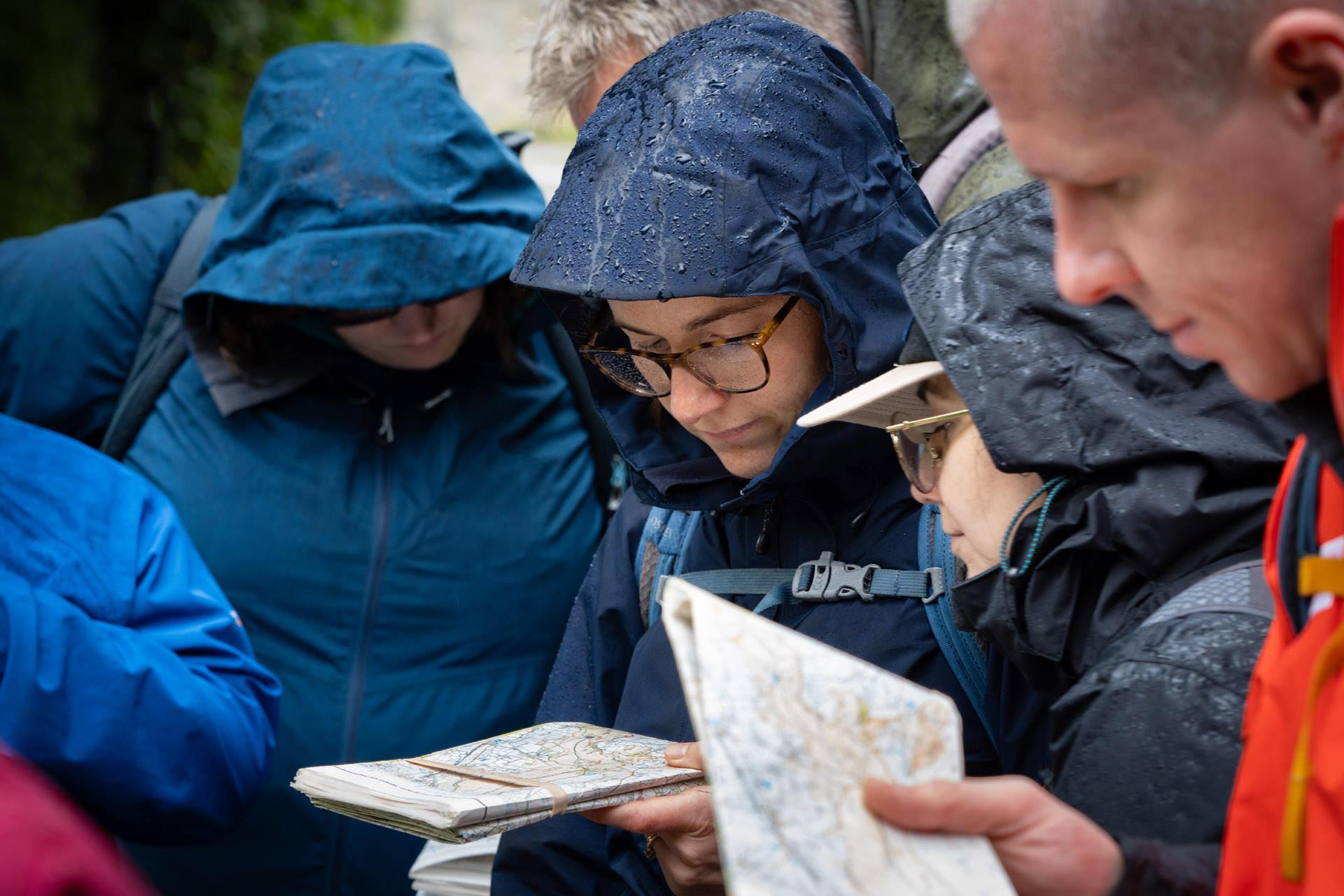
The data consistently shows that experience-focused photography generates 3x longer average page dwell time than location-focused photography for the same attraction. Visitors spend more time examining images that show them what they’ll be doing rather than what they’ll be seeing. This extended engagement directly correlates with higher inquiry rates.
Sensory Photography for Tactile Attractions
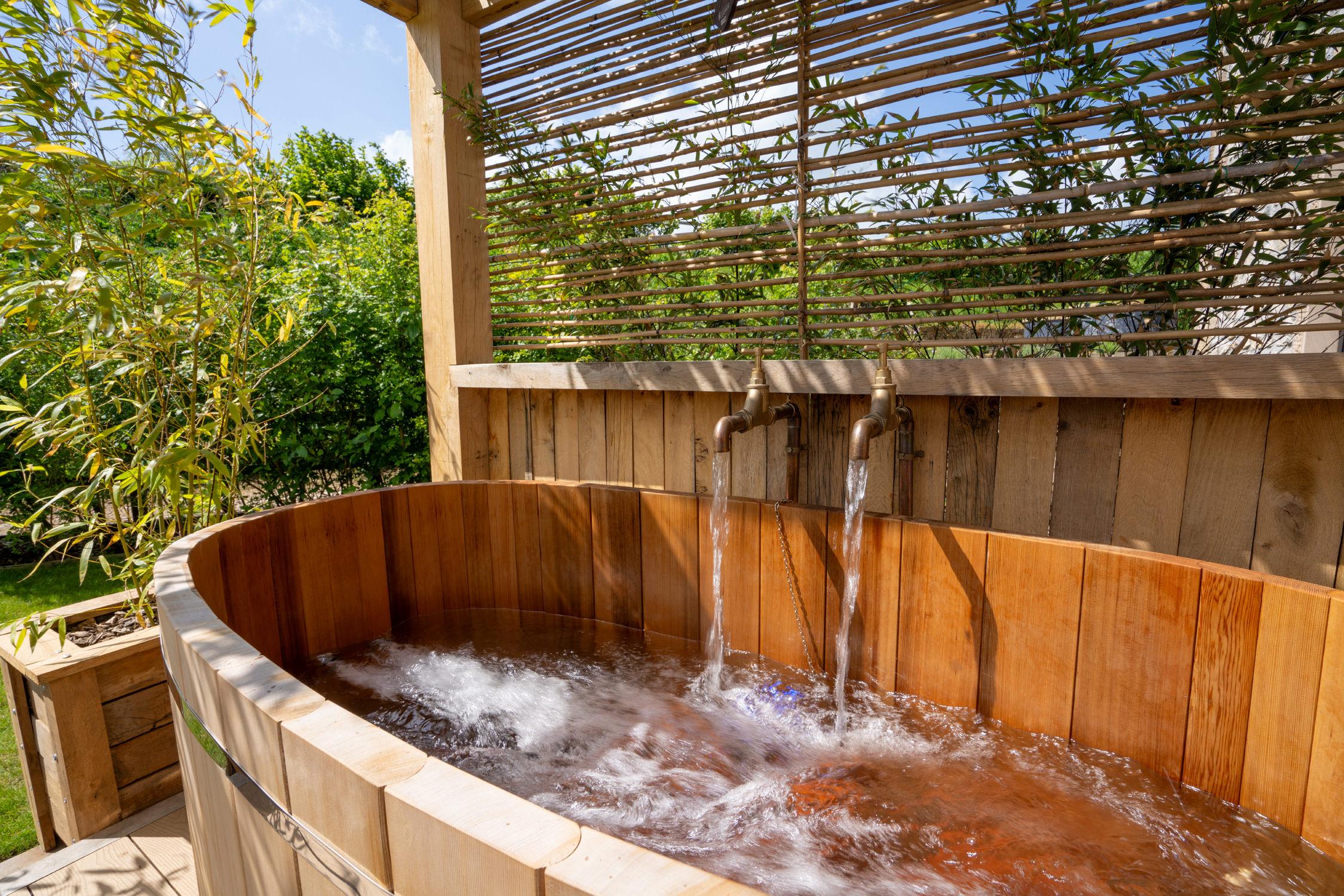
Certain attraction types rely heavily on sensory experience that standard wide-angle photography fails to communicate: textile museums, farm attractions with animal interaction, historic houses with period rooms, food and drink venues. These require close-up detail photography that captures texture, material quality, and scale.
Photograph these attractions at the distance visitors will actually experience them. If visitors touch objects, photograph from 30 centimeters. If they taste products, capture the presentation at table distance. If they observe demonstrations, shoot from audience position rather than beside the demonstrator.
For Peak District stone circle and rock formation attractions, this means including extreme close-ups of weathered stone texture, lichen detail, and the physical presence of standing beside multi-ton boulders. These details build the case for visiting far more effectively than distant panoramas that reduce dramatic geology to pleasant wallpaper.
Architectural Storytelling for Heritage and Indoor Attractions
Heritage buildings, historic houses, and indoor attractions present specific tourism photography challenges because the impressive exterior that attracts initial attention is not where visitors spend their time. A visitor to a Peak District manor house might notice the facade for 90 seconds but spend 90 minutes inside examining room details, collections, and interpretive displays.
Standard architectural photography prioritizes symmetry, full-building context, and technical correction of verticals. These produce handsome images that perform poorly in destination marketing because they emphasize the building as object rather than the building as experience container. The correction here is shooting interiors that show human navigation through space rather than empty room documentation.
“Tourism photography that increases visitor numbers focuses on threshold moments: doorways that invite exploration, staircases that promise discovery, windows that frame unexpected views. These transitional spaces communicate movement and progression through an attraction rather than static observation.”
Photograph corridors with visible destination rooms ahead. Capture staircases from the bottom looking up or the top looking down, never from the middle landing. Frame doorways to show both the room you’re in and the space beyond. This sequential visual storytelling subconsciously walks potential visitors through their future experience.
Lighting Heritage Interiors Without Losing Atmosphere
The common mistake when photographing historic interiors is over-lighting to achieve technical exposure perfection while destroying the atmospheric quality that makes heritage attractions appealing. A Tudor room flooded with modern flash looks like a furniture showroom. The same room photographed with natural window light, strategic shadows, and modest fill illumination looks like a place where history feels present.
Accept higher ISO settings and modest grain rather than eliminating all shadow. Visitors expect historic interiors to have character lighting, and photography that accurately represents actual visit conditions reduces disappointment while increasing perceived authenticity. A Peak District coaching inn photographed with deep shadows near the fireplace and bright windows communicates genuine historic atmosphere better than evenly lit commercial photography.
Weather as Advantage: The Peak District Photography Paradox
The Peak District receives 40% more rainfall than the English average, with frequent dramatic weather changes that most attraction operators perceive as photography obstacles. In practice, this weather variability is a significant marketing advantage that differentiates Peak District tourism from destinations that promise (and photograph) only sunshine.
Visitors who choose Peak District destinations are specifically selecting dramatic landscapes, atmospheric conditions, and outdoor experiences that don’t require Mediterranean guarantees. Photography that shows attractions under authentic Peak District weather conditions attracts visitors who want exactly that experience while filtering out visitors with incompatible expectations.
Mist rolling through valleys, rain on stone, storm light breaking through clouds, snow on moorland, all create emotional photography that generates significantly higher social sharing rates than blue-sky alternatives. When Visit Peak District analysed their highest-performing social media posts, weather-dramatic imagery outperformed clear-day photography by 89% in shares and 67% in comment engagement.
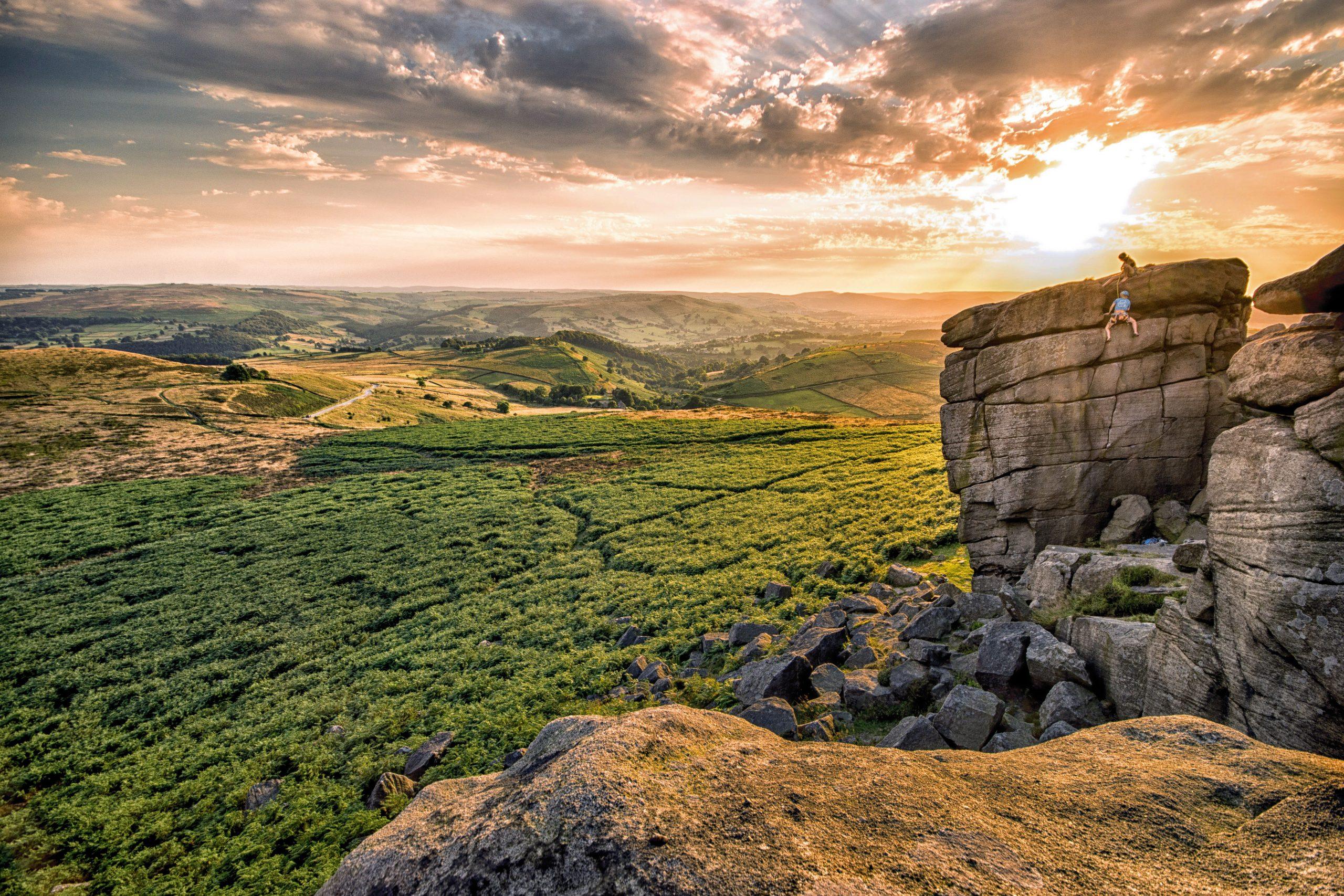
Pro tip: Schedule at least one photography session specifically for marginal weather conditions. The hour before or after rain, partial fog, or broken storm clouds produces lighting and atmosphere impossible to achieve in stable sunshine. These images become your most distinctive marketing assets.
Communicating All-Weather Accessibility
While dramatic weather photography creates emotional appeal, it must be balanced with imagery that demonstrates practical visit accessibility. The marketing goal is communicating “exciting and manageable” rather than “dramatic but difficult.” This balance requires specific compositional choices.
Show visitors appropriately dressed for conditions rather than struggling against weather. Include infrastructure that manages weather impact: sheltered viewpoints, indoor spaces, surfaced paths, covered areas. Photograph groups appearing comfortable and engaged rather than enduring conditions. This visual narrative says “dramatic Peak District weather is part of the appeal, and we’ve made it accessible.”
For attractions with significant outdoor components, create distinct marketing sets: one emphasizing atmospheric drama for social media and emotional engagement, another showing practical year-round accessibility for booking-stage decision making. Both sets are essential, and they serve different points in the visitor journey.
Frequently Asked Questions
How many professional photos does a visitor attraction need for effective marketing?
A working tourism marketing library requires 60-80 distinct images minimum: 15-20 establishing shots showing the attraction from various approaches, 25-30 experience and activity images with visible visitors, 15-20 seasonal variation shots, and 10-15 detail images of unique features. This provides enough variety for 12 months of social media content, website refresh, and campaign-specific assets without repetition fatigue. Attractions attempting to market with 20-30 total images exhaust their visual content within weeks and resort to recycling, which reduces engagement. Budget for comprehensive coverage rather than minimum viable documentation.
Should tourism photography include branding and signage or avoid it?
Include attraction signage and branding naturally as environmental elements, not as focal points. Visitors use signage as orientation landmarks during their actual visit, so photography that includes these elements appears more authentic and helps potential visitors visualize navigation. However, avoid compositions where signs dominate the frame or where branded elements obscure the actual experience. The exception is entrance areas where signage confirms arrival, these should be documented clearly because visitors specifically search for “what does the entrance look like” when planning logistics.
What time of day produces the best tourism photography for Peak District attractions?
The answer depends entirely on attraction orientation and visitor flow patterns, not generic golden hour advice. South-facing outdoor attractions photograph well mid-morning when light is strong but not directly overhead. North-facing heritage buildings often look better in afternoon when reflected light fills shadowed facades. Indoor attractions with large windows need midday shooting to balance interior and exterior exposure. More importantly, photograph when visitors are actually present if you’re including people, which often means afternoon for weekend-peak attractions regardless of optimal light. Empty attractions in perfect light convert worse than populated attractions in acceptable light.
How do you photograph popular attractions without including other visitors?
The premise of this question reflects outdated thinking. Popular attractions should show other visitors because their presence proves desirability and creates social validation. Empty popular attractions appear closed or forbidding in marketing photography. The skill is photographing crowds in ways that suggest pleasant busyness rather than overwhelming congestion. Use selective focus to keep background visitors present but not dominant, shoot from positions where visitor flow creates dynamic movement rather than static crowding, and include enough foreground space that viewers imagine joining the scene rather than competing for position. Emptiness is only advantageous for attractions where solitude is part of the core appeal.
What focal length lenses work best for destination marketing photography?
A 24-70mm zoom handles 80% of tourism photography situations, providing enough width for indoor spaces and environmental context while reaching to comfortable portrait length for visitor-focused shots. Supplement with a 16-35mm for tight interior spaces and dramatic landscape perspectives, and an 85mm or 100mm for detail photography and compression shots that layer attraction elements. Avoid ultra-wide lenses (14mm and below) except for specific architectural documentation because the distortion creates unrealistic expectations. Peak District outdoor photography specifically benefits from 35mm and 50mm focal lengths that approximate natural human vision and communicate accessible scale rather than imposing grandeur.
Should aerial drone photography be a priority for attraction marketing?
Drone photography serves specific strategic purposes but is over-prioritised in most attraction marketing. Aerial shots excel at showing spatial context for multi-building sites, demonstrating attraction scale, and capturing surrounding landscape that contextualises the destination. They perform poorly at communicating actual visitor experience because humans never see attractions from 50 meters altitude. Budget 10-15% of photography investment in aerial coverage for establishing context, then focus resources on ground-level experience documentation that drives actual bookings. The exception is attractions where elevation and topography are primary features, such as Peak District ridge walks or valley systems, where aerial photography demonstrates the core product.
How often should attractions update their professional photography?
Major refresh every 3-4 years to prevent dated visual style, with targeted updates annually as attractions add facilities, change layouts, or respond to usage patterns that weren’t captured initially. Seasonal coverage can rotate on longer cycles since snow on a historic building looks timeless. The practical trigger for updates is when your photography no longer matches visitor-generated content posted on social media. If visitors are sharing iPhone photos of new features, viewing angles, or seasonal conditions that don’t appear in your marketing photography, you’re missing conversion opportunities. Minor updates cost significantly less than full shoots, making annual top-up sessions more budget-efficient than waiting for complete obsolescence.
What’s been your experience with attraction photography that actually increased visit bookings versus beautiful images that didn’t convert?