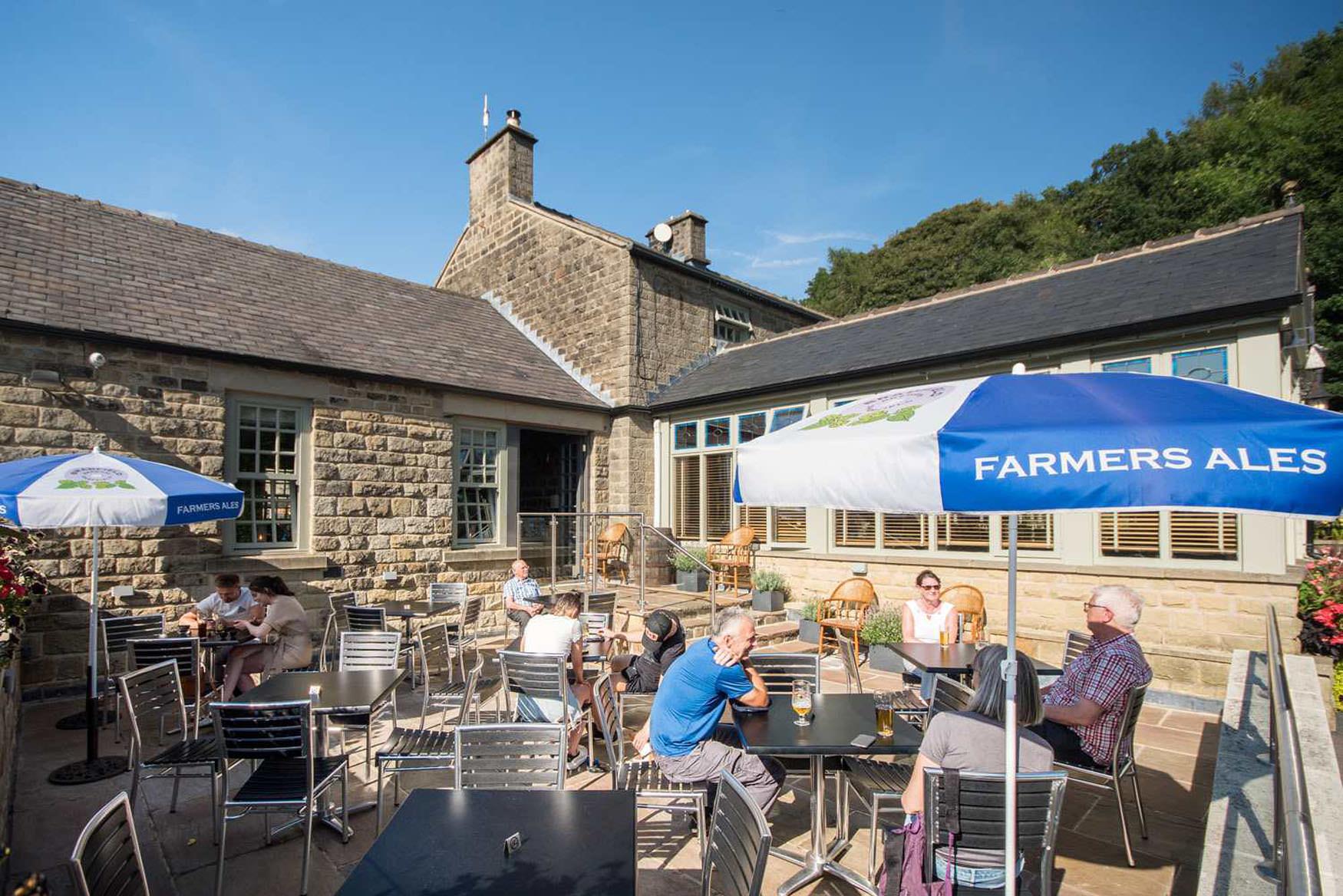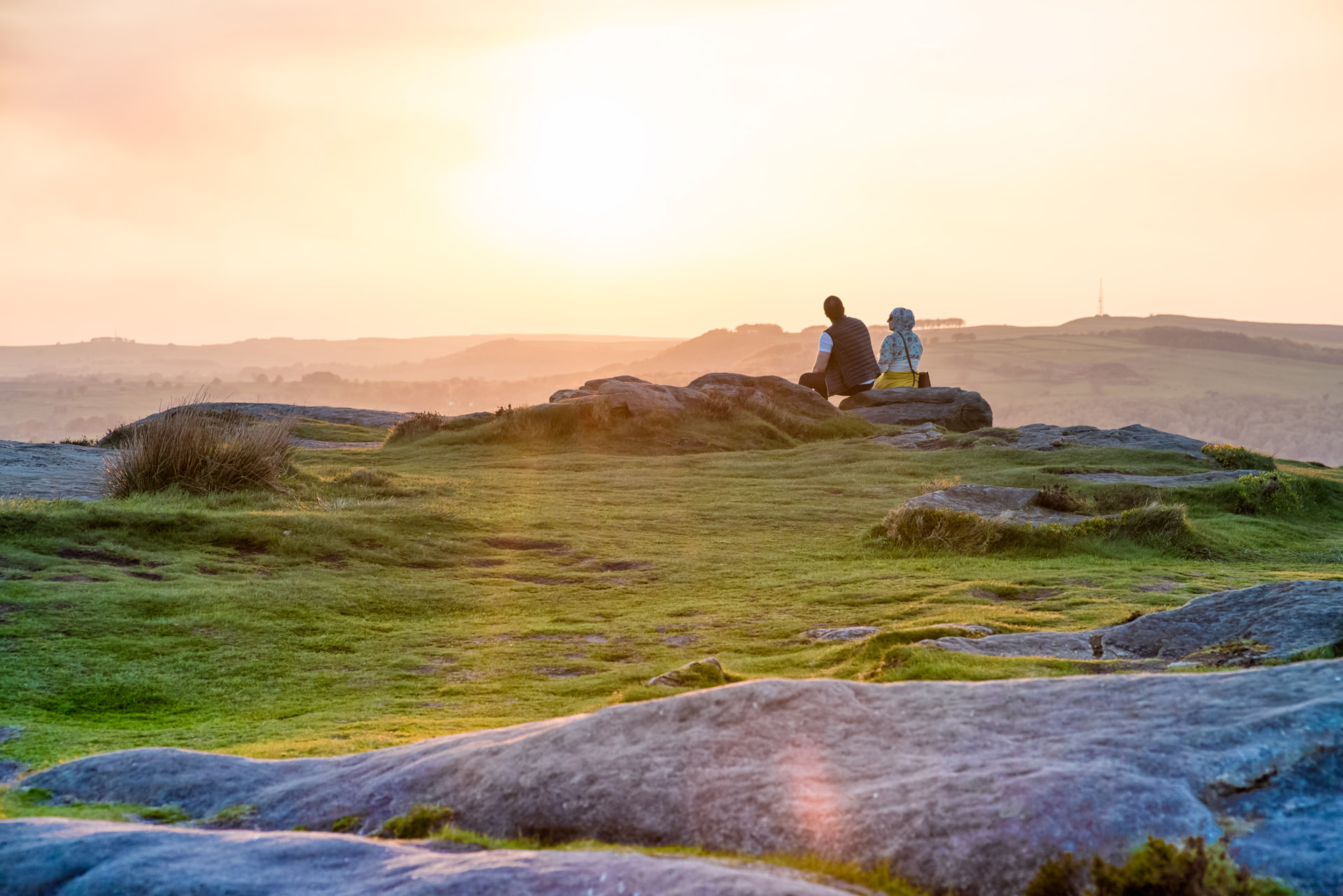
Pick up any printed visitor guide or click through a destination website, and the images do the selling before a single word is read. Yet a surprising number of tourism publications still go to print with low-resolution stock photos or inconsistent imagery that actively undermines the destinations they promote. Visitor guide photography is not a decorative add-on. It is the primary decision-making trigger for potential visitors, and the gap between strong location-specific photography and generic imagery is measurable in booking rates, footfall, and regional revenue.
Table of Contents
- Quick Takeaways
- Why Visitor Guide Photography Matters
- What Tourism Publications Actually Need From a Photographer
- Attraction Photography for Publications: Getting It Right
- Aerial and Landscape Photography in Destination Guides
- Comparison of Photography Approaches for Tourism Publications
- Why a Regional Specialist Outperforms a Generalist
- Frequently Asked Questions
- References
Quick Takeaways
| Key Insight | Explanation |
|---|---|
| Images are the primary conversion trigger in visitor guides | Research from Bandwagon and Tourism Australia consistently shows that visual content influences destination choice before written descriptions are even read. |
| Generic stock photography actively harms destination credibility | Readers recognise stock images. When a guide uses them, it signals that the publisher has no real connection to the place, eroding trust in the content. |
| Seasonal variety is non-negotiable for annual publications | A visitor guide that only shows summer imagery loses all persuasive power for autumn and winter campaigns. Publications need a library that spans all four seasons. |
| Attraction photography must serve the publication format first | An image that looks stunning on Instagram may be unusable as a double-page spread. Photographers must shoot with print bleed, margins, and digital crops all in mind simultaneously. |
| Drone photography adds editorial authority to printed guides | Aerial perspectives of landscapes, villages, and heritage sites communicate scale and context that ground-level photography simply cannot achieve, making them high-value assets for destination marketing organisations. |
| Licensing terms define long-term value of a photography commission | Many publishers underestimate this. Securing broad commercial and editorial licensing upfront is far cheaper than re-licensing images for digital campaigns or reprints a year later. |
| Location-specific photography outperforms by a measurable margin | According to Expedia Group Media Solutions research, destination-specific visuals increase click-through rates on travel advertising by up to 30% compared to generic imagery. |
Why Visitor Guide Photography Matters
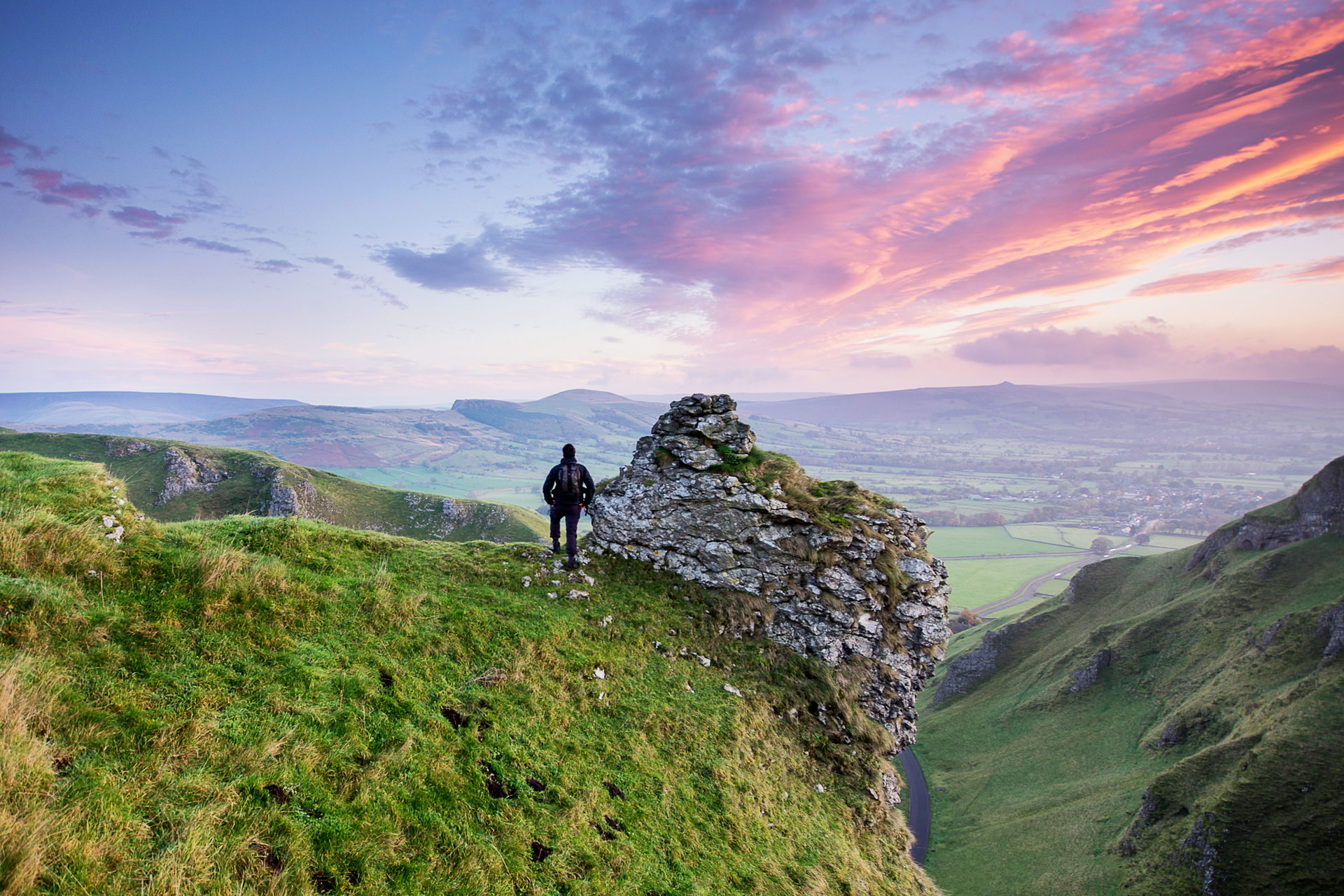
Tourism publications, whether printed guides distributed at visitor centres or digital PDFs downloaded from a destination marketing website, live and die on their imagery. The written content provides context, but the photographs are what create desire. A traveller browsing a Peak District visitor guide is not reading every sentence. They are scanning for images that make them feel something, then backtracking to find out where that place is and how to get there.
According to Statista, the global travel and tourism sector generates trillions in economic activity annually, and destination marketing organisations (DMOs) are under increasing pressure to justify every pound of their print and digital budgets. Strong visitor guide photography is one of the highest-return line items in that budget, because it directly influences the perception of a destination before a visitor has had any other touchpoint with it.
In practice, the publications that perform best, measured by reader engagement, enquiry rates, and repeat distribution requests, are those built around a cohesive, location-specific image library shot by a photographer who understands the destination deeply. That is a very different thing from commissioning a generalist photographer for a one-day shoot.
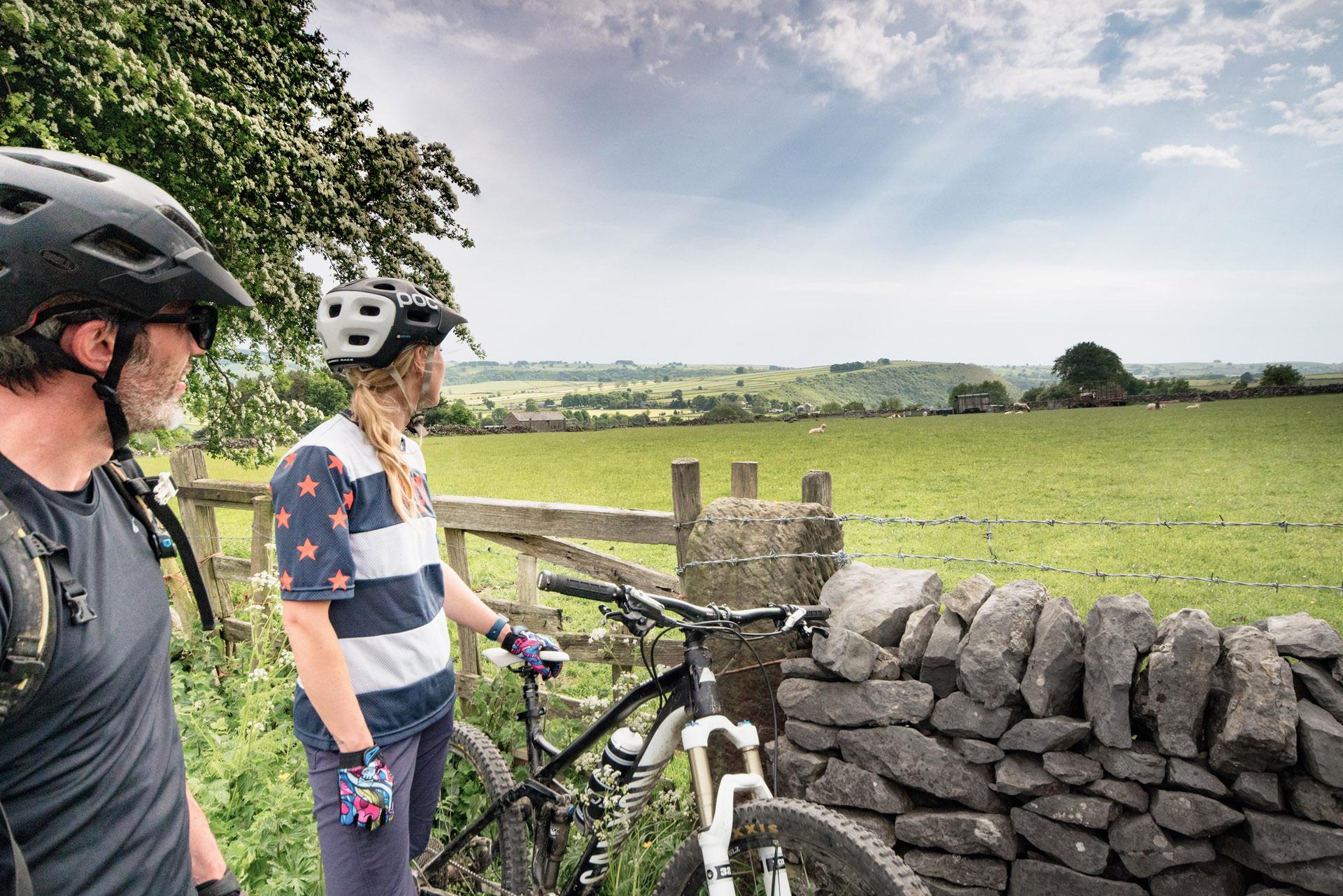
Pro tip: If you are commissioning photography for a visitor guide, ask the photographer to deliver images in both landscape and portrait orientations for every key location. Print layouts demand landscape, but digital distribution channels, particularly social media and mobile-optimised web pages, require portrait crops of the same scenes.
What Tourism Publications Actually Need From a Photographer
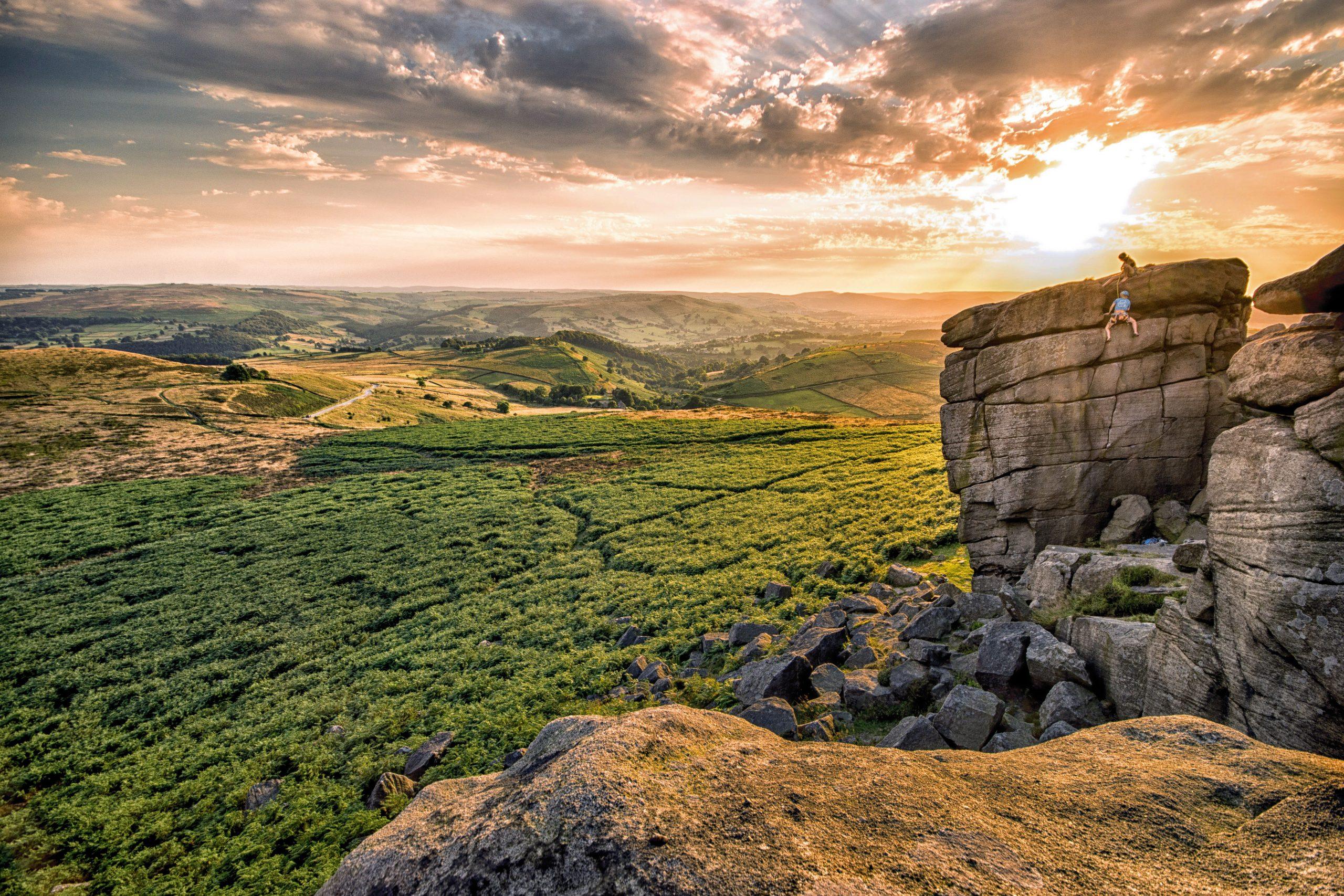
There is a persistent misunderstanding between what a photographer considers their best work and what a publication’s art director or editor actually needs. A breathtaking single image of Mam Tor at dawn is a portfolio piece. A set of 30 consistently lit, correctly oriented, technically versatile images from across the Peak District, is a publication asset.
Technical Requirements That Are Often Overlooked
Print publications typically require images at a minimum of 300 DPI at the intended print size. A double-page spread in an A4 visitor guide is roughly 420mm x 297mm, which means the source file needs to be extremely high resolution. Many photographers, particularly those who primarily shoot for social media, deliver files that look fine on screen but are unusable at print scale. This is a common mistake that wastes everyone’s time and budget during the layout stage.
Beyond resolution, publications need images with sufficient negative space for text overlays, consistent colour temperature across a series, and sufficient variety to avoid visual monotony across 40 or 60 pages. These are not creative constraints. They are professional requirements that a practitioner with publication experience understands instinctively.
Editorial Versatility vs. Artistic Vision
A photographer shooting purely for their own portfolio will naturally chase the perfect light and the perfect moment. A photographer shooting for a visitor guide needs to balance artistic quality with editorial utility. That means shooting the waterfall in its dramatic winter state AND in the softer summer light, because the guide will be distributed year-round. It means capturing both the wide establishing shot and the detail close-up of the same location, because the designer may need either one depending on page layout.
The data consistently shows that guides with varied image types, including wide landscapes, people-in-place shots, and architectural details, outperform those with a monotonous visual style, even when the individual images are technically excellent.
Photography for Publications: Getting It Right
Attraction photography for visitor guides is a specific discipline. Shooting a heritage site, a theme park, a walking trail, or a market town for a publication is fundamentally different from shooting it for a social media feed. The images need to work as editorial illustrations, not just standalone hero shots.
In practice, the strongest attraction photographs for printed guides do three things simultaneously. They establish the visual identity of the attraction, they suggest an experience that the reader could have, and they leave enough visual breathing room to sit comfortably alongside headlines, captions, and body copy. That last point is routinely ignored by photographers who have never seen their images used inside an actual publication layout.
“The best destination photography doesn’t show you a place. It shows you yourself in a place.” – Chris Burkard, travel and adventure photographer, speaking on the role of experiential imagery in travel marketing.
People in Attraction Photography: To Include or Not
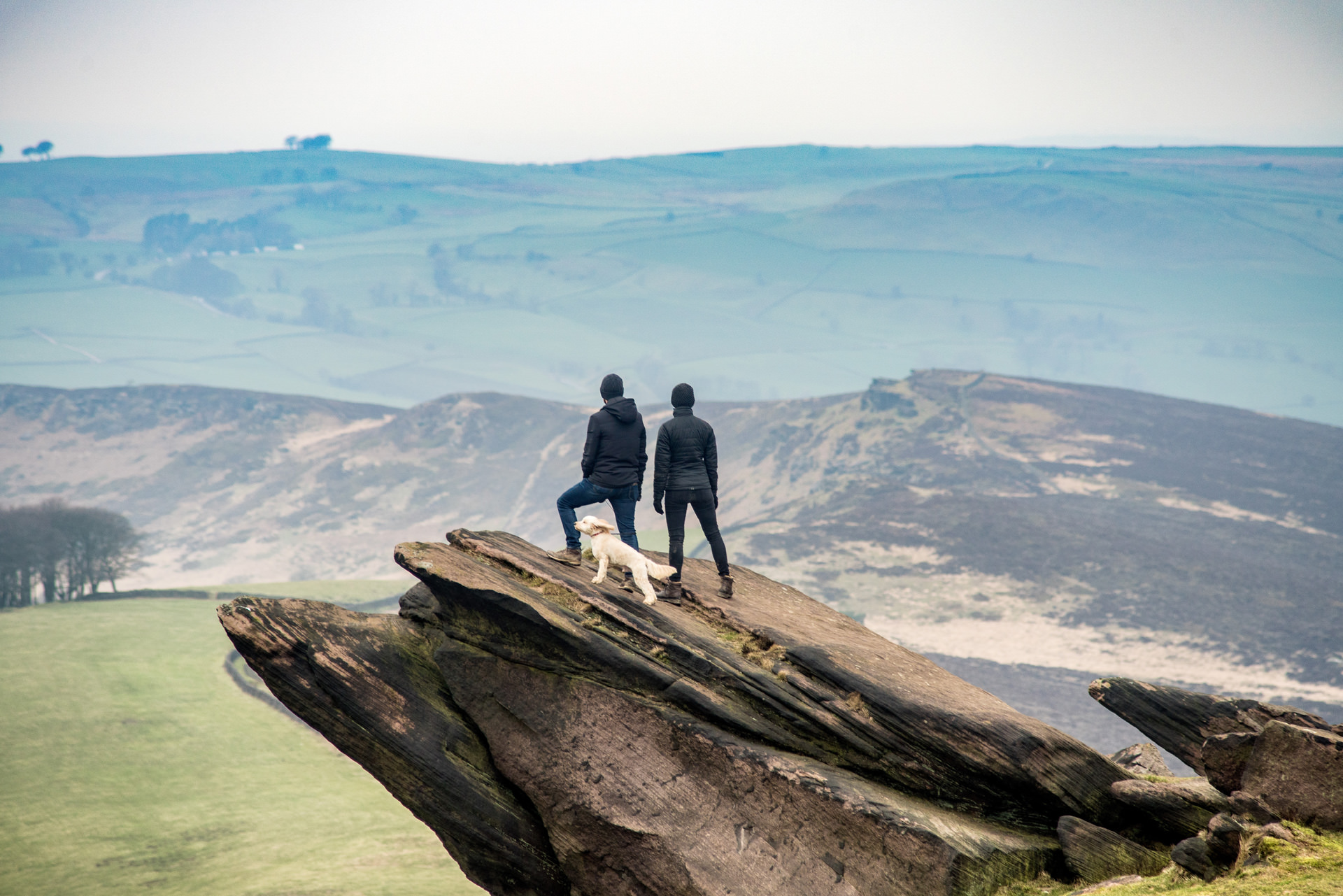
This is a genuine editorial debate among tourism publications. Images with people create an aspirational connection, helping readers imagine themselves experiencing the attraction. Images without people feel more timeless and are easier to reuse across multiple years of publications without looking dated by clothing or hairstyles. The practical answer is to shoot both, with full model releases for any identifiable individuals, and let the publication’s editors make the call based on page context.
For attractions in a region like the Peak District, where the draw is often the combination of natural landscape and human-scale experience, a mix of both approaches within the same guide tends to produce the most compelling result. A lone walker on Stanage Edge communicates something very different from an empty ridge, even if both photographs are technically equal.
Pro tip: When commissioning attraction photography for a guide that will run across multiple years, negotiate perpetual or long-term licensing from the outset. Annual re-licensing fees from image libraries can quickly exceed the original commission cost, and they give you no control over exclusivity.

Aerial and Landscape Photography in Destination Guides
Aerial drone photography has become one of the most valuable tools in destination marketing, precisely because it delivers a perspective that no reader has ever physically experienced. A ground-level photograph of Chatsworth House is familiar. An aerial image showing the house within the context of its parkland, the river, and the surrounding moorland tells a story of scale and context that fundamentally changes how a visitor perceives the destination before they arrive.
For tourism publications covering areas like the Peak District, aerial photography serves a unique editorial purpose. It allows a single image to communicate the relationship between multiple attractions, villages, and natural features simultaneously. That is exceptionally useful for orientation-focused content in visitor guides, where readers are trying to understand the geography of an area they have never visited.
Comparison of Photography Approaches for Tourism Publications
Not all photography commissions are structured the same way, and the approach you choose has direct implications for cost, quality, licensing, and the long-term usefulness of the image library you build. The table below compares the three most common approaches tourism publications and DMOs use.
| Approach | Best Suited For | Key Limitations |
|---|---|---|
| Regional Specialist Photographer (such as a Peak District-based professional) | Annual visitor guides, DMO campaigns, multi-season destination libraries. Delivers location-authentic imagery with deep contextual knowledge. | Higher upfront commission cost than stock alternatives. Requires planning lead time for seasonal coverage. |
| National Generalist Photographer | One-off commissions where speed is a priority and deep location knowledge is less critical. Can deliver technically competent results across multiple regions. | Lacks local knowledge that produces the most authentic and editorially distinctive images. Often unfamiliar with site-specific access requirements, lighting conditions, or seasonal character. |
| Licensed Stock Photography (Getty, Shutterstock, Alamy) | Filling specific gaps in an existing library on a tight budget. Useful for supplementary images where authentic origin is less critical. | No exclusivity. The same image may appear in a competitor’s guide. Licensing terms restrict some commercial uses. Images are often recognisable as stock, which reduces reader trust in the publication. |
Why a Regional Specialist Outperforms a Generalist
The argument for commissioning a photographer who is embedded in a specific region comes down to a single word: authenticity. Stock photography and generalist travel photographers produce technically competent images. A specialist who has spent years photographing a specific landscape knows exactly where to stand at what time of year to produce an image that captures something genuinely unique about that place.
For a visitor guide covering the Peak District, that local knowledge is an asset that cannot be replicated by a photographer parachuted in for a two-day shoot. They know that the morning mist in the Derwent Valley behaves differently in October than in April. They know which vantage points require landowner permission and which are freely accessible. They know that certain paths become impassable in wet conditions, making planned shots physically impossible without contingency.
Tourism boards and visitor attraction operators who work with regional specialists also benefit from an ongoing working relationship. The image library grows over time, covering more locations, more seasons, and more types of visitor experience. That cumulative depth of coverage is exactly what a high-quality visitor guide needs, and it is simply not achievable through ad-hoc stock licensing.
Services like those offered at destination and tourism photography from a Peak District specialist provide exactly this kind of embedded, multi-season capability, along with aerial drone photography and commercial property imagery that rounds out what a complete publication commission requires.
Frequently Asked Questions
What makes visitor guide photography different from standard commercial photography?
Visitor guide photography must serve a publication layout as well as communicate a destination’s appeal. That means shooting for print resolution, editorial versatility, and seasonal variety simultaneously. Standard commercial photography typically serves a single client brief and format. Publication photography has to work across double-page spreads, cover images, thumbnail listings, and digital adaptations, all from the same commission.
Should tourism publications use drone photography alongside ground-level imagery?
Yes, and the two approaches are complementary rather than interchangeable. Ground-level photography creates emotional connection and experiential aspiration. Aerial photography establishes context, scale, and geographic orientation. The strongest visitor guides use both deliberately, with aerial images typically used for section openers or double-page spreads and ground-level imagery populating the detailed attraction content throughout.
How far in advance should a visitor guide photography commission be planned?
For a comprehensive commission covering multiple locations and seasons, plan a minimum of six months before your publication deadline, and ideally twelve months if you want full seasonal coverage. Specific shots, particularly those dependent on rare weather conditions, golden hour light, or events-based content, require the flexibility to wait for the right conditions. A rushed two-day commission will always produce a lower-quality image library than a planned multi-visit approach, regardless of the photographer’s talent.
Can property photography for holiday rentals be used within visitor guides?
Yes, and this is an underused opportunity. Visitor guides that include accommodation imagery alongside destination and attraction content perform better in terms of reader engagement and direct booking enquiries. A guide that shows visitors where to stay AND what to experience in the same publication functions as a complete trip-planning resource. For holiday rental operators and hotels in areas like the Peak District, appearing in regional visitor guides with strong property photography is one of the most cost-effective ways to reach an already motivated audience.
Have you worked with a visitor guide publication or commissioned tourism photography for a destination marketing campaign? Share what worked and what you would do differently in the comments below.
References
- Statista: global travel and tourism industry statistics and market data
- Forbes: destination marketing, travel industry trends, and tourism economics
- HubSpot Marketing Statistics: visual content performance and engagement benchmarks
- Ahrefs Blog: content marketing research including visual content and audience engagement data
- Moz Learn SEO: guidance on content quality signals including imagery and E-E-A-T for travel and tourism content