Most hotels in the UK are losing bookings to properties with inferior locations but superior photography. That is not a guess. According to research cited by the Cornell School of Hotel Administration, hotels with higher-quality photographs earn measurably higher click-through rates on OTA platforms, which directly translates to more room nights sold. If your hotel, pub accommodation, or holiday cottage in the Peak District is relying on smartphone snaps or outdated images, you are actively handing revenue to your competitors. Hotel photography UK is not a marketing luxury. It is a revenue tool.
Table of Contents
- Quick Takeaways
- Why Hotel Photography Decides Bookings Before Price Does
- What Professional Hotel Photographers Actually Shoot
- Hospitality Photography in the Peak District: Why Location Is Part of the Product
- Common Mistakes That Are Costing UK Hotels Bookings
- Comparing Photography Approaches for UK Hospitality Businesses
- How to Brief a Professional Hotel Photographer
- Aerial and Drone Photography for Hotels and Holiday Properties
- Frequently Asked Questions
- References
Quick Takeaways
| Key Insight | Explanation |
|---|---|
| OTA listings with professional photos earn up to 40% more revenue | Booking.com and TripAdvisor consistently rank properties with more and higher-quality images higher in search results, leading to direct revenue uplift. |
| Exterior and landscape shots matter as much as interiors | For Peak District hotels and cottages, guests are buying the setting as much as the room. Images that show the surrounding moorland, drystone walls, and views convert significantly better than interior-only galleries. |
| Smartphone photography costs more than it saves | Poor images suppress click-through rates, reduce perceived value, and result in guests who undervalue the property and leave worse reviews because expectations were misset. |
| Drone photography is now a baseline expectation for premium properties | Aerial imagery showing a hotel’s grounds, access routes, and position within the landscape is no longer a premium add-on. It is expected by guests considering a stay above a certain price point. |
| Seasonal shoots multiply the value of a single investment | A Peak District property photographed in autumn heather, winter frost, spring bluebells, and summer green has twelve months of seasonal content. One shoot locks you into one season and limits your marketing calendar. |
| Image licensing matters for commercial use | Photography commissioned for a hotel website must be properly licensed for use on OTAs, printed brochures, and social media. Confirm usage rights before the shoot, not after. |
| A specialist local photographer outperforms a generalist every time | A photographer who knows where the light hits Chatsworth Estate at dawn, or which angle makes a Derbyshire stone cottage look its best in overcast conditions, will deliver images that a visiting generalist cannot match. |
Why Hotel Photography Decides Bookings Before Price Does
Travellers make booking decisions visually and emotionally before they rationalise them logically. A prospective guest browsing Booking.com or Airbnb for a Peak District getaway will scroll past dozens of listings in seconds. The properties that stop the scroll are not necessarily the cheapest or the highest rated. They are the ones with images that make an immediate emotional impact.
Phocuswire, a respected travel industry publication, has reported that listings with 20 or more high-quality images receive significantly more page views than those with fewer photos. The quantity matters, but quality is the deciding factor. Blurry thumbnails, badly lit bedrooms, and images that obscure the view from the window will consistently underperform even against a lower-quality property with better photography.
For UK hospitality businesses, particularly those in destination locations like the Peak District, the stakes are even higher. Your guests are not just choosing a bed. They are choosing an experience, a landscape, and a feeling. Professional hotel photography UK must communicate all three, not just the thread count of the duvet.
“The quality of hotel photography is the single biggest factor guests cite when explaining why they clicked on one listing over another.” – PhocusWire, Travel Technology and Distribution Analysis
Pro tip: Before commissioning any photography, write down the three emotions you want a guest to feel when they see your images. Share that list with your photographer. It changes everything about how they approach the shoot, from timing to composition to post-processing style.


What Professional Hotel Photographers Actually Shoot
There is a common misconception that a hotel photography shoot means pointing a wide-angle lens at every room and calling it done. A competent professional hotel photographer approaches a property like a storyteller, not a surveyor. The goal is a library of images that serves different platforms, different seasons, and different marketing messages.
The Essential Shot List for UK Hotels and Hospitality Properties
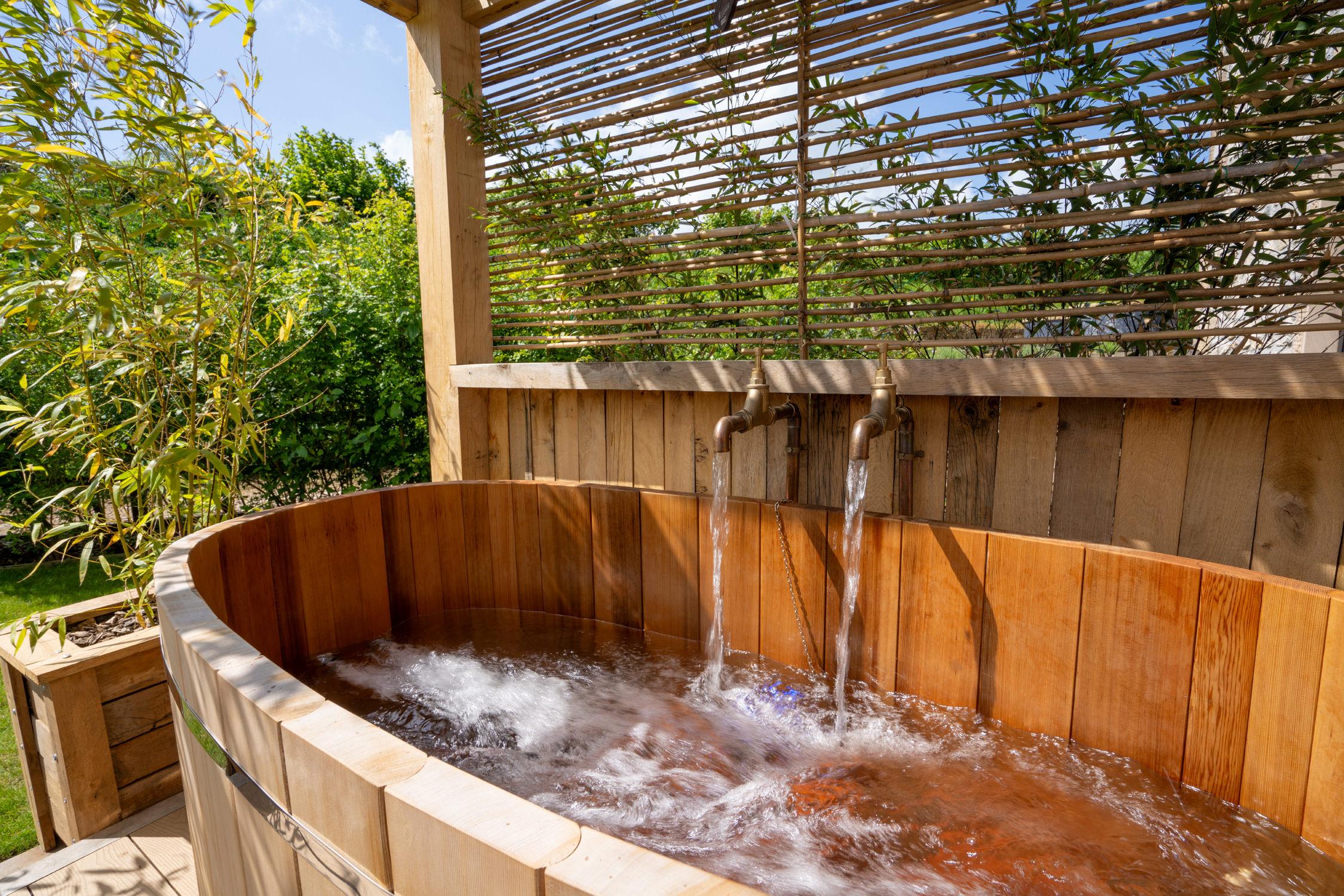
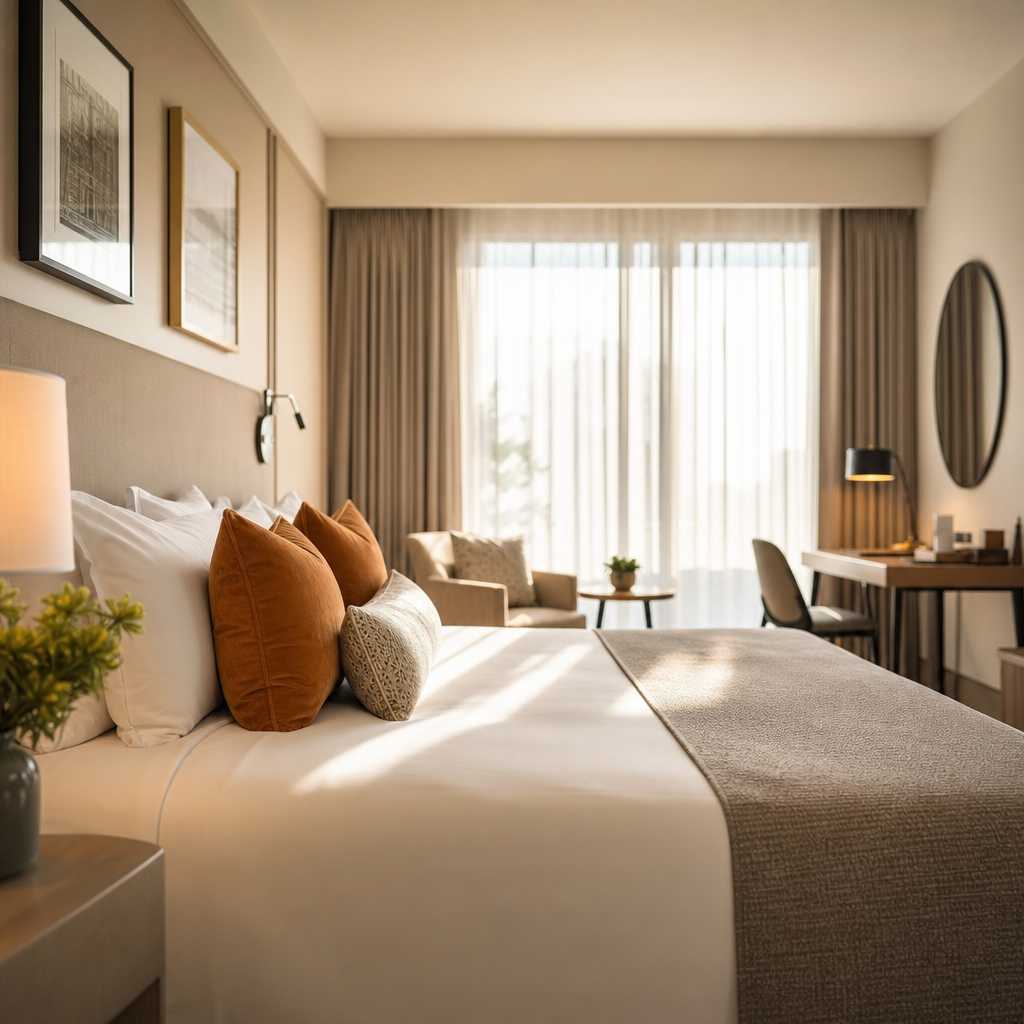
Every hotel photography brief should include establishing exterior shots from multiple angles and times of day, full-length and detail bedroom shots, bathroom photography that communicates cleanliness and luxury without clinical sterility, common areas including lounges, dining rooms, bars, and reception, and any unique selling features such as a garden, terrace, hot tub, or heritage architectural detail.
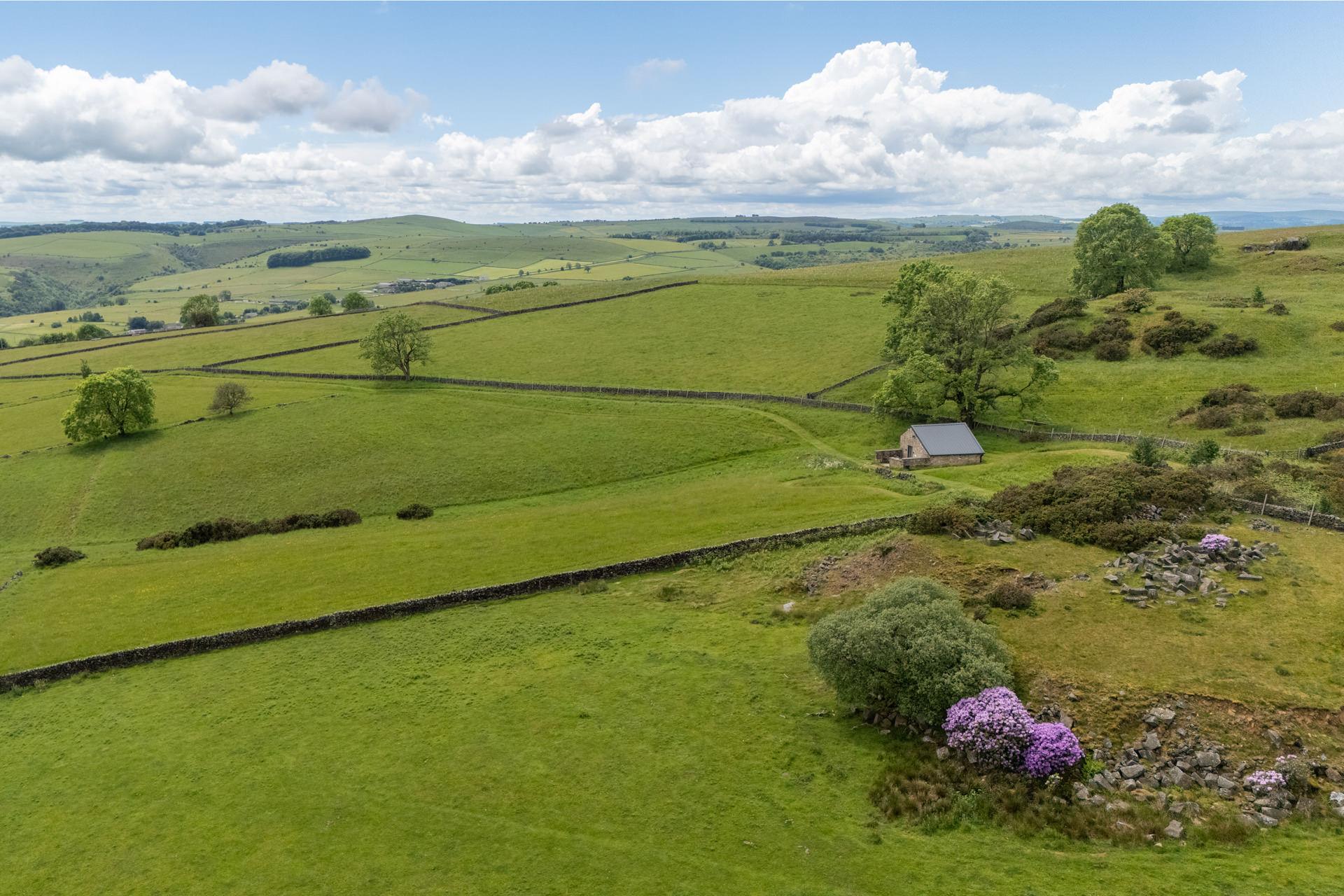
For Peak District properties specifically, the shot list must extend beyond the building walls. Images of the walking routes directly from the door, the view from the breakfast table, the local village, and the surrounding landscape are not optional extras. They are core content that your OTA competitors will include if you do not.
Lifestyle and Atmospheric Images
Beyond the architectural documentation, a complete hotel photography package includes lifestyle content. This means images that suggest occupancy and enjoyment without showing identifiable faces, which creates legal complications. Think a cup of coffee steaming on a window ledge with a moorland view behind it. A pair of walking boots by a slate hearth. A well-made bed catching golden morning light from a sash window.
These images are often the ones that perform best on social media and in email marketing, because they invite the viewer to insert themselves into the scene. A purely documentary photograph of an empty room does not do that.
At Phil’s Pros On Photography, the approach to hospitality photography in the Peak District is built around exactly this combination: architectural precision for OTA listings and lifestyle imagery for social and print marketing. The result is a single shoot that serves multiple channels.
Hospitality Photography in the Peak District: Why Location Is Part of the Product
The Peak District is one of England’s most visited national parks, drawing over 13 million visitors per year according to the Peak District National Park Authority. Hotels, pubs with rooms, glamping sites, and holiday cottages in the area are selling access to that landscape as much as they are selling accommodation. Any photography strategy that ignores the setting is leaving the most powerful selling point on the table.
Hospitality photography Peak District requires a photographer who understands the terrain, the light, and the seasonal rhythms of the area. The heather on the eastern moors peaks in late August. The limestone dales in the White Peak hold morning mist in spring. Autumn colours in the Goyt Valley are extraordinary in October. A photographer who knows this schedules shoots accordingly and delivers content that is genuinely specific to place, not just generic countryside imagery.
Using the Landscape to Justify Premium Pricing
One of the most commercially important functions of strong hospitality photography in the Peak District is price anchoring. When a guest sees images of a property embedded in a dramatic moorland landscape, with stone walls stretching to the horizon and a sky full of weather, they instinctively assign a higher value to the experience. This directly supports premium pricing strategies for holiday rentals and boutique hotels.
In practice, properties that invest in landscape-integrated photography consistently achieve higher average nightly rates than similar properties using interior-only imagery. The perceived value of the experience rises with the quality and context of the photography.
Pro tip: Ask your photographer to plan at least one exterior shoot at golden hour, either sunrise or sunset depending on the property’s orientation. In the Peak District, golden hour light on millstone grit and heather produces images that no amount of editing can replicate from midday footage. It takes planning but the commercial return is significant.

Common Mistakes That Are Costing UK Hotels Bookings
After working with hospitality businesses across the Peak District, certain errors come up repeatedly. None of them are unusual. All of them are expensive.
Shooting in the Wrong Light
The most common mistake is shooting interiors with a mix of artificial room lighting and daylight coming through windows, without proper management of both. The result is images with orange or green colour casts, blown-out windows, and rooms that look dingy and uninviting. Professional photographers use supplementary lighting, long exposures, and bracketed HDR techniques to balance interior and exterior light correctly.
Ignoring Preparation
A common mistake is shooting rooms as they stand rather than preparing them meticulously before the photographer arrives. Every surface should be cleared, every towel folded with hotel precision, every cushion plumped, every trailing cable hidden. Flowers should be fresh. Beds should be made with the same care you would use for a royalty visit. Photography reveals every imperfection at scale.
Using a Fisheye or Extreme Wide-Angle Lens for Everything
Some photographers default to an extreme wide-angle to make rooms look larger. Guests recognise this trick. When they arrive and find a bedroom that is smaller than the photograph suggested, trust breaks down instantly and review scores fall. Accurate representation, with genuinely flattering composition, is always the better strategy.
Skipping Seasonal Updates
A hotel that was last photographed in 2019 and has since refurbished its rooms, added a new terrace, or changed its décor is showing guests something that no longer exists. Outdated photography sets incorrect expectations and generates negative reviews that would not exist if the imagery were current.
Comparing Photography Approaches for UK Hospitality Businesses
Not all photography approaches deliver the same commercial result. The table below compares the three options most commonly used by UK hotels and holiday property operators, based on real-world outcomes rather than theoretical assessments.
| Approach | What You Get | Commercial Impact for Peak District Properties |
|---|---|---|
| Smartphone Photography (Owner or Staff) | Quick turnaround, zero cost, full control over timing. Images typically suffer from poor dynamic range, distorted perspectives, and inadequate lighting management. | Lower OTA click-through rates, suppressed perceived value, higher likelihood of guest disappointment on arrival because expectations are set low or inaccurately. |
| Generalist Freelance Photographer | Better technical quality than smartphone, professional equipment, post-processing included. Limited knowledge of hospitality-specific shot requirements and no local landscape expertise. | Improved interior documentation but missed opportunity to integrate the Peak District setting. Images serve OTA listings adequately but underperform on social and destination marketing channels. |
| Specialist Hospitality and Landscape Photographer (Local) | Full hospitality shot list, lifestyle imagery, landscape integration, aerial drone options, and deep local knowledge of light, seasons, and settings. Outputs serve OTAs, social, print, and destination marketing simultaneously. | Maximum commercial return. Supports premium pricing, improves OTA ranking, generates year-round marketing content, and differentiates the property from competitors using generic photography. |
How to Brief a Professional Hotel Photographer
The quality of your brief determines the quality of your images as much as the photographer’s skill does. An experienced photographer working from a vague brief will still produce technically competent images. But images briefed with commercial intent and a clear understanding of where they will be used will outperform them consistently.
What to Include in a Photography Brief
Start with the platforms where images will be used. OTA listings like Booking.com require landscape-format images at specific minimum resolutions. Instagram performs best with square or portrait formats. Printed brochures and destination marketing materials require the highest resolution files with room for text overlays, which means the subject should not fill the entire frame edge to edge.
Include your target guest profile. A family-friendly Peak District farmhouse conversion requires different imagery emphasis than a couples-only boutique hotel or a corporate retreat venue. The photographer needs to know who is looking at the images to frame them effectively.
Specify the rooms, spaces, and features that must be captured, and flag any that are currently not photogenic and should be avoided. Be honest. A good photographer will not penalise you for this information. They will use it to allocate time more effectively.
Timing and Seasonal Considerations
For Peak District properties, the brief should also address seasonality. If your peak booking period is summer, the exterior shots should show the property at its summer best. If you run Christmas packages, you need images that communicate warmth, festivity, and the particular magic of a Derbyshire winter. Confirm this in the brief so the photographer plans the shoot date accordingly.
The property photography service at Phil’s Pros On Photography includes a pre-shoot consultation that covers all of these points systematically, so clients do not have to guess what information their photographer needs.
Aerial and Drone Photography for Hotels and Holiday Properties
Drone photography has changed what is possible for hotel and holiday property marketing in the UK. For properties in the Peak District, it has moved from an impressive optional extra to a near-essential component of a complete photography package.
An aerial image of a stone farmhouse nestled between two limestone ridges, surrounded by dry-stone-walled fields, tells a story about location and experience that no ground-level shot can replicate. For tourism boards and destination marketing organisations, aerial imagery of the broader landscape serves a different but equally important purpose: it contextualises individual properties within the wider Peak District offering.
UK Drone Regulations and What They Mean for Your Shoot
All commercial drone operations in the UK are governed by the Civil Aviation Authority under the UK Drone and Model Aircraft Code. Any photographer offering commercial aerial photography must hold a valid CAA Operational Authorisation (OA) and a GVC or equivalent qualification. Working with an unqualified operator is not just a legal risk. It puts your property’s insurance position at risk and means the images cannot be used commercially without liability exposure.
When briefing a drone photographer for a Peak District hotel shoot, confirm that the operator holds full CAA authorisation and check whether the shoot location falls within a controlled or restricted airspace zone. Some areas of the Peak District require specific permissions. A local, qualified operator will know this territory and handle the authorisations without adding to your workload.
The aerial drone photography service offered through Phil’s Pros On Photography is fully CAA authorised, and the team’s familiarity with Peak District airspace restrictions means shoots are planned and executed without delays or compliance issues.
Frequently Asked Questions
How much does professional hotel photography cost in the UK?
Costs vary depending on the size of the property, the number of rooms, whether drone footage is included, and the intended usage rights. For a mid-sized Peak District holiday property or boutique hotel, expect to invest between £500 and £2,000 for a full-day shoot with post-processing and commercial usage licensing included. Properties that try to cut this cost by using smartphone photography or unlicensed images consistently lose more than the saving in suppressed booking rates and lower achieved room prices.
How long does a hotel photography shoot take?
A thorough hotel photography shoot for a property with six to ten rooms, plus common areas and exterior grounds, typically takes between six and eight hours on location. Properties requiring drone work, lifestyle shots, and multiple exterior angles across different lighting conditions may require a full day or a two-day shoot across different weather windows. Rushing a shoot to save time produces images that look rushed, which is commercially counterproductive.
How often should a hotel update its photography?
In practice, every significant refurbishment or seasonal change warrants updated photography. As a baseline, a complete reshoot every two to three years keeps your OTA listings competitive. If you have added a new room category, a new outdoor amenity, or substantially changed your interior design since your last shoot, those changes need to be photographed immediately. Guests who book based on outdated images and arrive to find a different reality leave negative reviews.
What is the difference between hotel photography and property photography?
Hotel photography is a subset of commercial property photography, but it has specific requirements that distinguish it from residential or real estate photography. Hotel photography must communicate experience, not just space. It requires lifestyle elements, attention to branded details, and an understanding of how images will perform on OTA algorithms and in direct booking marketing. A residential property photographer and a hospitality specialist are not interchangeable for this work.
Do I need a model release if I want people in my hotel photographs?
Yes. Any photograph that includes identifiable individuals and is used commercially requires a signed model release from each person pictured. This applies to staff, friends used as lifestyle models, and any guests who appear in the images. Without model releases, those images cannot be used on your website, in OTA listings, or in any paid advertising without legal exposure. A professional photographer will manage model release documentation as part of the shoot process.
Can the same photography work for both OTA listings and destination marketing?
Yes, but it requires planning from the outset. OTA listings prioritise interior and room-level imagery. Destination marketing for tourism boards and visitor attractions prioritises landscape, context, and the broader sense of place. A properly planned shoot for a Peak District hotel should produce image sets that serve both purposes, which means the photographer needs to understand both use cases before the shoot begins, not after delivery.
Why should I choose a Peak District specialist over a generalist hospitality photographer?
A specialist who knows the Peak District intimately knows where the light falls on Stanage Edge in late afternoon, which Derbyshire villages photograph best in spring, and how to compose an exterior shot of a gritstone building so the texture reads correctly in print and on screen. That specific local knowledge produces images with a sense of place that generalist photographers working from a brief cannot replicate. For properties whose primary selling point is their location within the Peak District landscape, that difference is commercially significant.
Have you recently updated your hotel’s photography and seen a measurable impact on your booking rates? Share your experience below or get in touch to tell us what worked and what you would do differently.
References
- Statista: Hotel and accommodation booking statistics, OTA market data, and travel consumer behaviour research
- Forbes: Business and hospitality industry analysis covering digital marketing and the economics of hotel booking platforms
- HubSpot Marketing Statistics: Visual content performance data and conversion rate research relevant to hospitality marketing
- Ahrefs Blog: Search visibility and click-through rate research applicable to hotel and hospitality OTA listing optimisation
- Moz Learn SEO: Guidance on how image quality and metadata affect search performance for hospitality and tourism websites