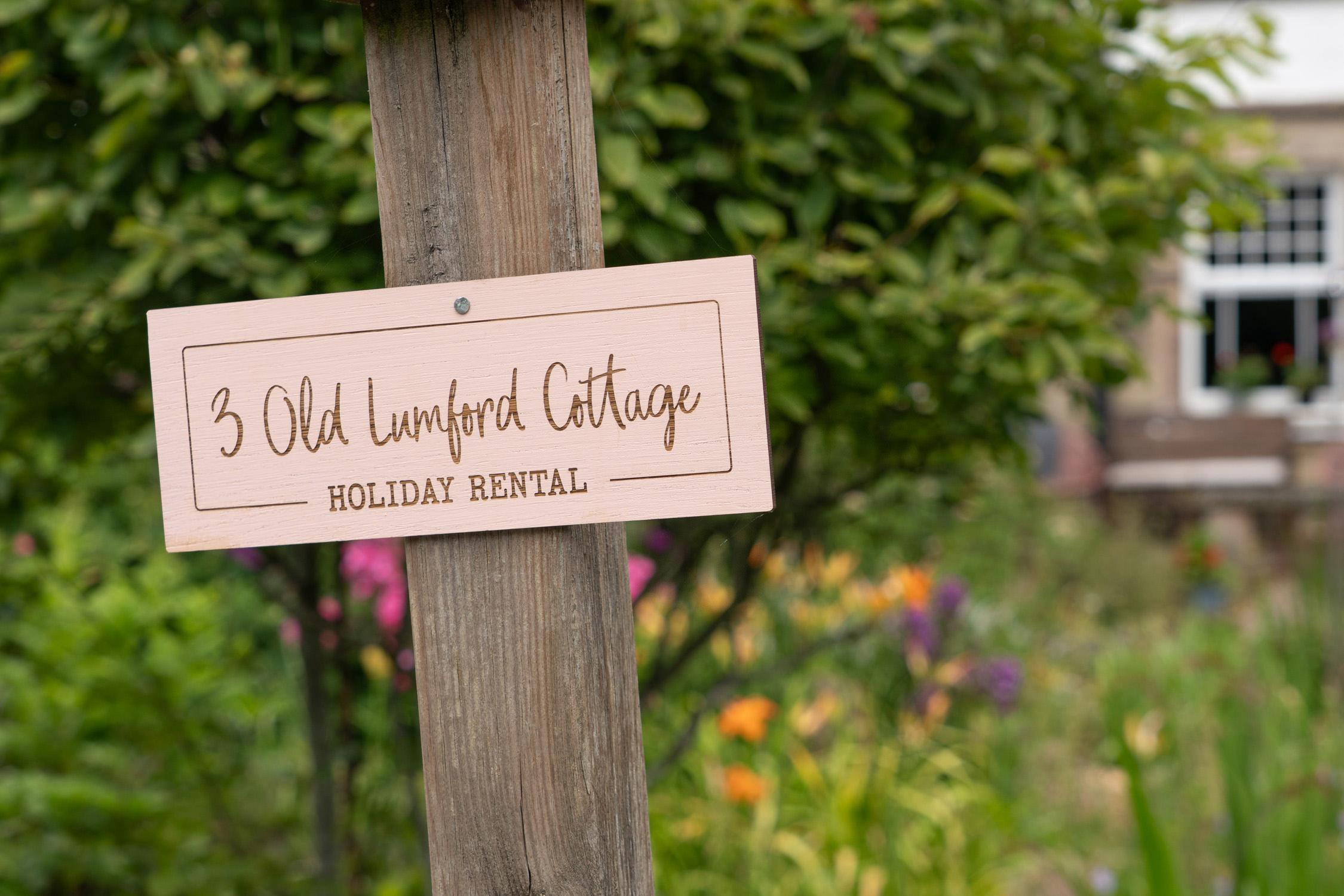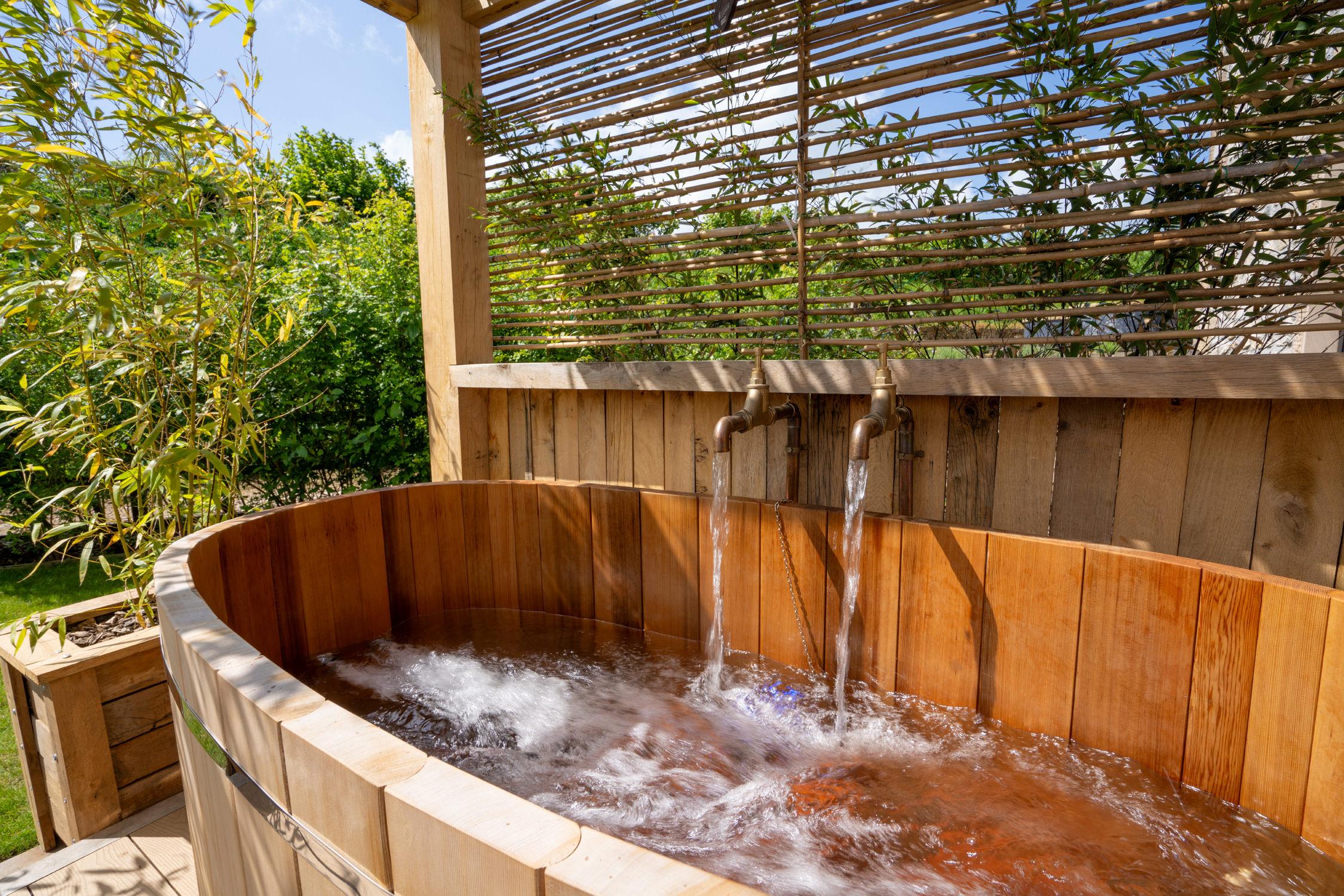
Most Peak District tourism businesses are losing bookings not because of pricing, not because of location, and not because of bad reviews. They are losing bookings because their visuals fail to do the one job that matters: making someone stop scrolling and choose them over the property or attraction listed three spots above. Tourism photography mistakes are quietly draining revenue from holiday cottages, hotels, visitor attractions, and destination marketing campaigns across the Peak District every single season.
Table of Contents
- Quick Takeaways
- Mistake 1: Shooting Everything on a Smartphone
- Mistake 2: Ignoring the Peak District Landscape Context
- Mistake 3: Skipping Aerial and Drone Photography
- Mistake 4: Shooting in the Wrong Light
- Mistake 5: Using an Inconsistent Visual Style Across Platforms
- Mistake 6: Over-Editing Images Until They Look Fake
- Mistake 7: Missing Seasonal Imagery Entirely
- Mistake 8: Treating Interior Photography as an Afterthought
- Mistake 9: Publishing Single Images With No Visual Storytelling Sequence
- Photography Approach Comparison
- Mistake 10: Ignoring Image SEO Completely
- Frequently Asked Questions
- References
Quick Takeaways
| Key Insight | Explanation |
|---|---|
| Smartphone images lose bookings at the comparison stage | When a traveller is comparing two similar Peak District cottages, professional imagery consistently wins. Phones cannot replicate the depth, dynamic range, or compositional control of professional equipment. |
| Landscape context is a conversion tool, not decoration | Showing Stanage Edge, the Monsal Trail, or moors as part of a property shoot answers the “why here” question before the viewer has to ask it. That question, left unanswered, causes exits. |
| Aerial photography increases perceived property value | According to research cited by MRI Residential, listings with aerial imagery sell or book up faster than those without. For isolated Peak District properties, the setting is the selling point. |
| Seasonal variety directly maps to booking calendar fill | A property photographed only in summer cannot visually justify autumn or winter bookings. Seasonal imagery is a direct commercial tool, not an optional creative extra. |
| Image SEO is free revenue most businesses ignore | Properly named and alt-tagged images appear in Google Image Search and Google Discover, driving additional organic traffic to booking pages. Most Peak District operators have zero image optimisation in place. |
| Visual inconsistency destroys brand trust faster than bad reviews | A tourism board or hotel using six different photographic styles across their website, OTA listings, and social accounts signals amateur operation to prospective visitors. Consistency builds confidence. |
| Interior photography requires specialist staging and equipment | Wide-angle distortion, poor white balance, and unaddressed clutter in interior shots are among the most common tourism photography mistakes seen on Peak District holiday rental listings. |
Mistake 1: Shooting Everything on a Smartphone
This is the most widespread and most damaging mistake in holiday property marketing across the Peak District. The argument for using a phone is usually “the cameras are amazing now”, and it is true that modern smartphones produce impressive casual images. But impressive casual images and commercial-grade photography are not the same product.
A professional camera paired with a wide-angle lens corrects the perspective distortion that makes rooms look cramped. It captures dynamic range that shows detail in both the bright moorland outside the window and the darker fireplace corner inside. A phone cannot do this without significant post-processing artefacts that make images look processed and unreal.
In practice, the peak moment where phone photography loses a booking is the comparison stage. A visitor browsing Airbnb or Booking.com will open four or five listings simultaneously. They may not consciously think “that was taken on a phone” but they will feel the difference as a lower sense of quality and confidence. They will book the property that made them feel something. Professional imagery does that consistently. Phone imagery does it by accident, sometimes.
Pro tip: If you are currently using smartphone photos on your listing or destination marketing pages, do not wait until next season to address it. A single professional shoot covering 20 to 30 hero images will outperform a library of 200 smartphone photos in direct booking conversion.
Mistake 2: Ignoring the Peak District Landscape Context
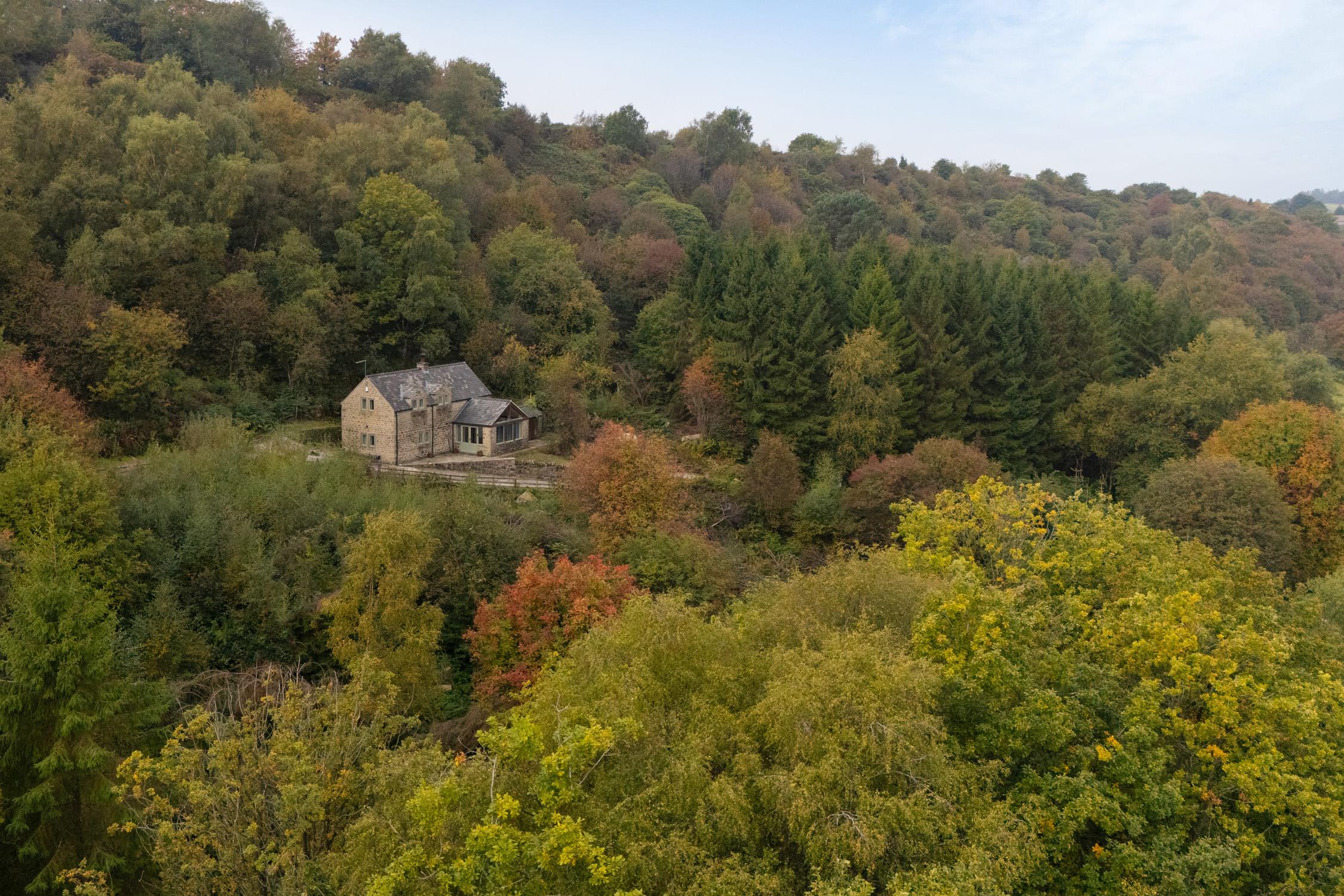
The Peak District is not a generic UK destination. It has specific, iconic visual assets that travellers actively search for: the gritstone edges of Stanage and Curbar, the limestone dales of Dovedale and Lathkill, the heather moorland above Edale, the estate grounds of Chatsworth. These are not backdrops. They are the primary reason people book.
A common mistake in tourism visual marketing is treating the property or attraction as entirely separate from its setting. Interior-only shoots for a Peak District cottage tell half the story. A hotel with moorland views that shows only its rooms and dining area is burying its biggest selling point. Destination marketing content that could have been taken anywhere in England wastes the unique visual capital of the region.
How Landscape Integration Affects Booking Decisions
When landscape context is included in property photography, it answers three visitor questions at once: what is near me, what does the journey look like? And is this place worth leaving home for? Research from HubSpot consistently shows that imagery which communicates a complete experience, not just a product, drives significantly higher engagement and click-through rates.
For Peak District operators specifically, showing the landscape around the property is a direct competitive differentiator. Properties that do this well pull bookings from visitors who were not even specifically searching for that location, because the imagery triggers desire rather than just satisfying a checklist.
Pro tip: Ask your photographer to capture at least three to five location-context shots per property. These should show visible access to local walking routes, nearby landmarks, or the character of the surrounding moorland, valley, or village. These images belong prominently on your website homepage and in your OTA main gallery, not buried in a secondary tab.
Mistake 3: Skipping Aerial and Drone Photography
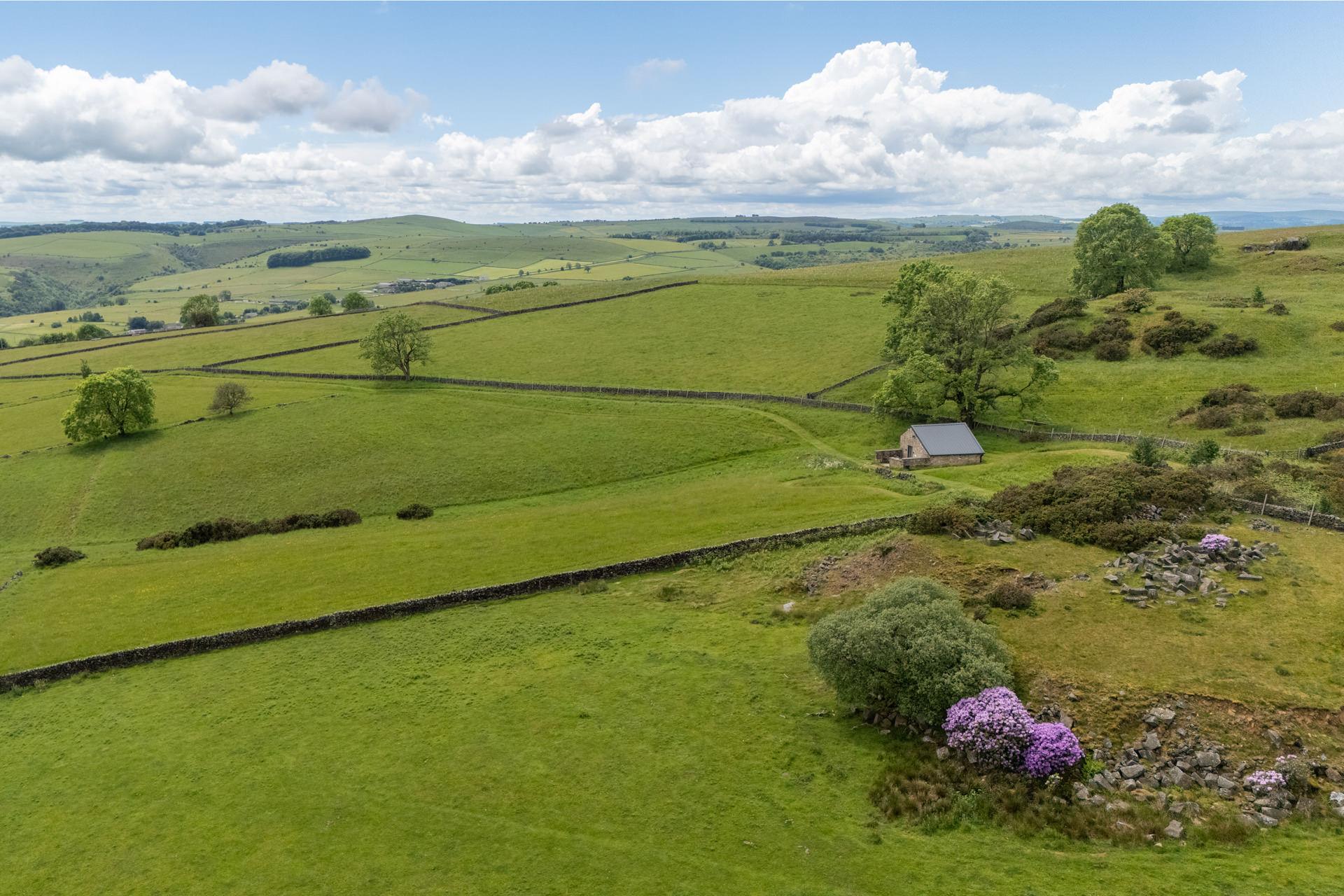
Ground-level photography cannot show what drone photography can. For a Peak District holiday cottage, aerial imagery communicates isolation, garden size, proximity to trails, and the drama of the surrounding landscape in a single frame. These are all factors that influence booking decisions and that ground-level images simply cannot convey.
The mistake most operators make is treating aerial photography as a luxury add-on rather than a core commercial asset. For properties that sit in elevated moorland positions, alongside reservoirs, or within estate grounds, drone photography is arguably the most important image in the entire gallery. It answers the question “what is it actually like to be there” more effectively than any interior shot.
Mistake 4: Shooting in the Wrong Light
Shooting at midday in harsh direct sunlight is the single most common lighting mistake in both property and destination photography. Midday light creates hard shadows, bleaches colour from stone and moorland, and makes interiors look simultaneously overexposed through windows and underexposed in corners. The result is flat, unpleasant imagery that no amount of post-processing fully corrects.
Professional Peak District photographers plan shoots around weather forecasts, seasonal sun angles, and location-specific light windows. This is not about perfectionism. It is about returning images that actually perform commercially. For property owners, this means scheduling shoots with a specialist who knows the region, not booking the cheapest available photographer who will show up regardless of conditions.
“Eighty percent of a great photograph is the light. The camera and the lens account for the other twenty. Choosing the wrong time of day is a decision you cannot fix in Lightroom.” Phil Sproson, Peak District Photography Specialist
Mistake 5: Using an Inconsistent Visual Style Across Platforms
Tourism operators often build their image libraries piecemeal. A few shots from last year, some taken by a staff member, a handful from a guest who shared photos, and one professional shoot from three seasons ago. The result is a visual identity that looks different on the website, on Booking.com, on Instagram, and in printed brochures. This inconsistency reads to potential visitors as a sign of an amateur or poorly managed operation.
Consistency in colour grading, aspect ratios, compositional style, and subject treatment is what separates brands that build trust from those that generate uncertainty. Visitor attractions and destination marketing organisations that maintain a coherent visual identity across all touchpoints consistently outperform those that do not, both in brand recall and in direct conversion metrics.
The practical fix is straightforward. Commission a single professional shoot that produces a full image library covering all required formats and contexts. Establish a clear brief that specifies the colour palette, mood, and subject priorities. Use images from that single library across all platforms rather than mixing sources.
Mistake 6: Over-Editing Images Until They Look Fake
Heavy HDR processing, artificially saturated skies, and cloned-out elements are all forms of over-editing that are immediately visible to experienced travellers. When a visitor arrives and the property or landscape looks significantly different from the photographs, the result is a one-star review that will follow that listing for years.
In the Peak District context, over-saturation is the most common editing error. The heather moorland, the limestone dales, and the stone-built villages have their own natural palette that is compelling without enhancement. Boosting saturation turns those warm tones into something that looks like a screen saver. It triggers distrust rather than desire.
The standard to aim for is images that look like the location on its best day. Not an imaginary, digitally constructed version of the location. This requires skill in both capture and editing, specifically the ability to get the shot right in camera so that post-processing is correction, not construction.
Mistake 7: Missing Seasonal Imagery Entirely
Holiday property marketing that relies on a single seasonal image set is leaving a large portion of the booking calendar visually unsupported. A Peak District cottage photographed exclusively in June cannot convincingly sell an October half-term or a January wellness retreat, because the images give no visual evidence of what that experience looks like.
Seasonal imagery directly supports booking calendar fill. Autumn colour along the Manifold Valley, snow on the gritstone edges, spring bluebell woodland above Bakewell: These images appear in seasonal search queries and activate booking intent in visitors who are planning trips for those specific periods. Without them, operators are invisible in seasonal search results and unable to visually justify their off-peak pricing.
Building a Seasonal Image Library Over Time
The most effective approach is to plan a rolling photography programme that adds seasonal coverage each year. Start with the season that generates your weakest bookings and work backwards. Winter imagery of a Peak District property with log fires lit, frost on the moors visible through the window, and warm interior lighting tells a story that converts at a very high rate for couples and small groups seeking a cosy escape. That shoot, done once properly, will generate bookings for years.
Mistake 8: Treating Interior Photography as an Afterthought
Interior photography for holiday accommodation is a technical discipline in its own right. It requires managing mixed light sources, correcting for wide-angle distortion, staging furniture and accessories to read well on camera, and making decisions about what to include and exclude from each frame. None of this is straightforward, and all of it affects whether a room looks inviting or sterile.
The most visible errors in Peak District holiday rental listings are clutter left in frame, beds photographed straight-on with no depth, bathrooms lit entirely by overhead strip lighting, and kitchens shown with mismatched dishcloths and half-empty washing-up liquid bottles on the counter. These details are invisible to the property owner who has stopped seeing them. They are immediately visible to a potential guest comparing listings.
Mistake 9: Publishing Single Images With No Visual Storytelling Sequence
A single hero image, however strong, does not convert bookings on its own. Visitors to property listings and destination marketing pages want to be taken through an experience. They want to arrive at the gate, walk through the door, feel the atmosphere of the main living space, see the view from the bedroom, understand the garden, and imagine themselves at the location. A randomly ordered gallery of individual images does not create this experience.
Effective tourism visual marketing sequences images intentionally. The hero image establishes the emotional pull. The second and third images answer the most common questions. The fourth and fifth images handle objections. The final images reinforce the decision. This is not a creative luxury. It is a structured conversion tool, and it applies equally to property listing galleries, destination marketing websites, and printed brochures.
Tourism boards and visitor attractions make this mistake at scale when they publish image libraries to travel media without any editorial guidance. The images are chosen individually rather than as a coherent sequence that tells the destination story. The result is inconsistent coverage in press that fails to build a clear destination identity.
Photography Approach Comparison
The table below compares three photography approaches commonly used by Peak District tourism businesses. It illustrates the practical differences in output, cost-effectiveness, and booking impact.
| Approach | What It Delivers | Commercial Impact for Peak District Operators |
|---|---|---|
| DIY smartphone photography | Basic property documentation. Limited dynamic range, no specialist lighting, no staging or compositional expertise. | Lowest booking conversion. Loses comparison-stage decisions against professionally photographed competitors. Undermines premium pricing. |
| Generic commercial photographer (non-specialist) | Competent general imagery. May lack knowledge of Peak District light, landscapes, and seasonal planning. Single-visit approach. | Moderate improvement over DIY. May miss the landscape integration, seasonal context, and aerial coverage that Peak District properties specifically need. |
| Peak District specialist photographer with aerial capability | Full-service library covering interiors, exteriors, aerial, landscape context, and seasonal variants. Region-specific knowledge applied to every shoot. | Highest conversion impact. Images serve property listings, OTA galleries, social content, press releases, and print materials from a single coherent shoot. |
Mistake 10: Ignoring Image SEO Completely
Most Peak District tourism operators have no image SEO strategy whatsoever. Images are uploaded with file names like IMG_4872.jpg, and alt text fields are left blank. This is a significant missed opportunity because Google Image Search and Google Discover together represent a meaningful source of qualified travel intent traffic that costs nothing to access.
Properly optimised images rank in image search results for queries like “Peak District holiday cottage with moorland views” or “Hope Valley hotel exterior”. These are high-intent searches conducted by people actively planning trips. An image that ranks for those queries and links back to a booking or enquiry page delivers commercial value continuously after the initial upload.
Practical Image SEO for Tourism and Property Marketing
The basics are not complex. File names should describe the subject using target keywords before uploading, for example: holiday-cottage-stanage-edge-view.jpg. Alt text should describe the image accurately and naturally include relevant location and property descriptors. Images should be compressed to the smallest file size that preserves quality, as page speed is a ranking factor and large image files slow booking pages significantly.
For tourism boards and destination marketing organisations, structured image metadata submitted alongside press releases and media pack downloads ensures that images attributed to the destination appear consistently in editorial and organic search contexts. This is a largely unaddressed opportunity across Peak District destination marketing.
“Businesses that optimize their images for search see measurable increases in organic traffic from Google Images, which accounts for nearly 23% of all web searches.” Moz, Search Engine Optimization Learning Center
The relationship between image quality, image SEO, and direct bookings is not theoretical. Operators who invest in professional, region-specific photography and apply basic SEO optimisation to those images consistently outperform those who treat visual marketing as a cost rather than a revenue driver. For Peak District tourism businesses competing on platforms where every listing looks broadly similar at first glance, the quality and intelligence of your visual content is one of the few genuine differentiators available to you.
Frequently Asked Questions
How often should a Peak District tourism business update its photography?
At minimum, a full refresh every three to four years is necessary to ensure imagery reflects any property improvements, interior updates, or changes to the surrounding landscape. More practically, adding a seasonal shoot each year to fill gaps in your calendar coverage is a more effective strategy than one large periodic refresh. Autumn and winter imagery for Peak District properties is chronically under-represented, and the commercial case for adding it is strong.
What is the biggest tourism photography mistake that directly costs bookings?
Based on direct commercial observation, the single biggest mistake is failing to show the landscape context of the property. Visitors booking Peak District accommodation are buying a landscape experience, not just a roof over their head. A property photography set that shows only interiors without the surrounding moorland, valley, or estate setting is withholding the primary reason most guests are booking. This omission drives exits at the comparison stage more reliably than any other visual failure.
Do tourism boards need different photography from holiday property operators?
Yes, the brief is different. Tourism boards and destination marketing organisations need photography that serves multiple purposes simultaneously: editorial use in press and travel media, digital advertising, social content, and print collateral. This requires a broader image library with more variety in subject, season, and human presence than a standard property shoot. However, the underlying requirement for professional quality, region-specific expertise, and coherent visual style is identical.
Can image SEO really drive direct bookings for a Peak District property?
Yes, and this is underused by almost every independent operator in the region. Images optimised with accurate file names, descriptive alt text, and clean page structure can rank in Google Image Search for destination and property queries. When a prospective visitor clicks through from a ranked image to a booking page, that traffic arrives with high commercial intent and zero paid media cost. The barrier to implementing basic image SEO is low, and the ongoing benefit is substantial relative to the effort.
Is drone photography worth the additional cost for Peak District holiday rentals?
For properties with significant outdoor space, elevated or remote positions, reservoir or moorland views, or proximity to iconic Peak District landmarks, aerial photography is not optional if you are competing at the premium end of the market. The aerial perspective communicates location, setting, and scale in a way that no ground-level image can replicate. For properties where the main selling point is the surrounding landscape, an aerial shot is often the single highest-performing image in the entire gallery.
If you manage a Peak District property, work in destination marketing, or run a visitor attraction in the region, we would love to hear which of these visual marketing mistakes you have encountered most often and what changes have made the biggest difference to your bookings.
References
- HubSpot Marketing Statistics: data on visual content performance and engagement in digital marketing
- Moz Search Engine Optimization Learning Center: guidance on image SEO, alt text, and organic search performance
- Statista: travel and tourism industry data including booking behaviour and digital marketing effectiveness statistics
- Forbes: business and marketing research including the commercial impact of professional photography on hospitality and tourism conversion rates
- Ahrefs Blog: research and analysis on organic search behaviour, image search traffic, and content marketing for hospitality and tourism businesses
- Top Riley Holiday Cottages