Most outdoor brands are still shooting against white studio walls or hiring generic woodland locations that look like every other brand’s feed. That is a missed opportunity. Outdoor brand photography set in the Peak District gives you something no studio can replicate: authentic, dramatic, geographically specific landscape backdrops that signal adventure, quality, and place to exactly the kind of customer who buys premium outdoor products.
Table of Contents
- Quick Takeaways
- Why the Peak District Works as a Commercial Backdrop
- What Outdoor Brand Photography Actually Requires
- Choosing the Right Peak District Locations for Your Brand
- Light, Weather, and Seasonal Strategy
- How Landscape Backdrops Affect Brand Perception
- Working with a Specialist Photographer vs. a Generalist
- Practical Shoot Planning for Peak District Brand Work
- Frequently Asked Questions
- References
Quick Takeaways
| Key Insight | Explanation |
|---|---|
| Location specificity builds brand credibility | Shooting in a recognisable Peak District setting communicates authenticity and place-based identity, not just generic outdoorsy vibes. |
| Drone imagery adds a second content layer | Aerial shots of products or models in the context of vast moorland are impossible to replicate in post-production and command premium media placement rates. |
| Weather is a creative asset, not a problem to avoid | Low cloud over Kinder Scout or mist on Stanage Edge creates atmosphere that polished studio shots cannot. Brief window after rain produces the richest heather colour. |
| Vertical and square crops must be planned at shoot time | Social media formats require different compositions for print or web banner use. Planning multi-format shots during the shoot saves expensive reshoots. |
| Consistent landscape backdrops across a campaign unify brand identity | Using the same geographical region across product lines, seasonal campaigns, and lifestyle shots creates visual coherence that customers associate with your brand values. |
Why the Peak District Works as a Commercial Backdrop
The Peak District sits within two hours of over 16 million people, making it the most visited national park in the UK by some measures. But access is not the main reason to shoot here. The reason is the sheer variety of landscape backdrops packed into a relatively compact area. Gritstone edges, open moorland, limestone dales, ancient woodland, and historic packhorse bridges all sit within practical driving distance of each other.
For outdoor brands specifically, this variety means you can shoot an apparel range in high moorland contexts in the morning and switch to intimate woodland or riverside settings in the afternoon. That is a level of creative flexibility you simply do not get from a single rented woodland plot or a constructed studio backdrop.

There is also a cultural weight to the Peak District. It was the site of the 1932 Kinder Scout mass trespass, which directly led to the creation of the UK’s national park system. Brands that associate themselves with this landscape are tapping into a genuine heritage of outdoor access and working-class adventure. That is a story worth telling, and commercial photography is one of the most efficient ways to tell it.
Pro tip: If your brand has any connection to walking, trail running, cycling, climbing, or wild camping, the Peak District offers location-specific credibility that landscapes in the Scottish Highlands or Lake District simply cannot provide for an English or Midlands-based audience. Proximity equals recognisability for your core customer base.
What Outdoor Brand Photography Actually Requires
Outdoor brand photography is not the same as landscape photography with a product placed in the foreground. That distinction matters. Commercial photography has to do a specific job: communicate brand values, make a product look desirable in context, and produce images that work across multiple formats from social media to printed brochures.
Product-in-Context vs. Lifestyle Shooting
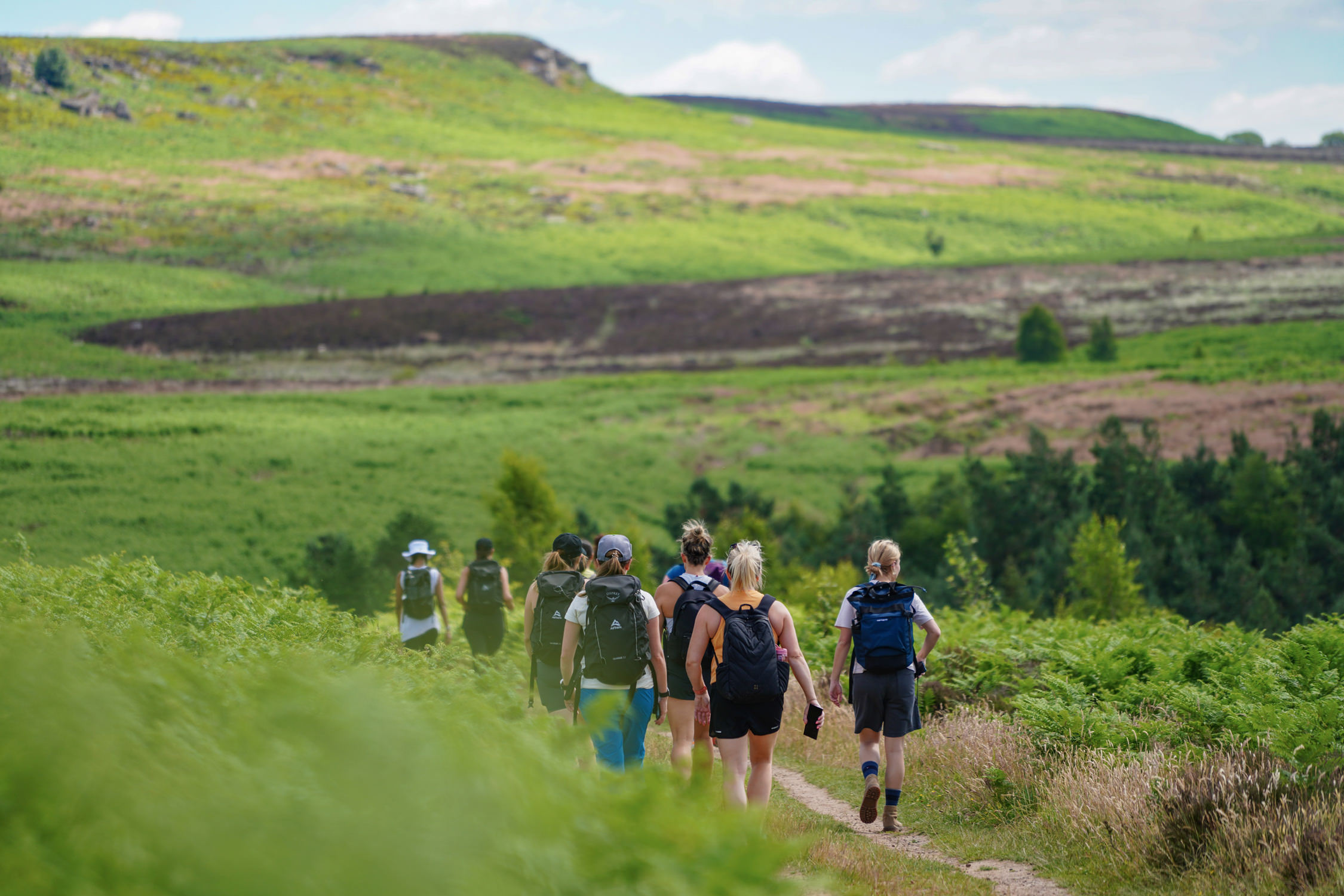
Product-in-context means the landscape exists to frame and enhance the product. Think a pair of walking boots placed on gritstone with Stanage Edge stretching into the background. Lifestyle shooting means real or model subjects using the product in the landscape, creating an aspirational narrative. Most effective outdoor brand campaigns use both in a single shoot day, and planning for both requires experience.
In practice, the biggest mistake brands make is treating the two as interchangeable. Product-in-context shots need precise styling and composition control. Lifestyle shots need the camera to be ready for authentic movement and expression. Trying to do both simultaneously with a single setup wastes time and often delivers neither well.
AllTrails Outdoor Commission
Choosing the Right Peak District Locations for Your Brand
Not every corner of the Peak District suits every brand. The Dark Peak, covering the northern moorland and gritstone edges, reads as rugged, wild, and dramatic. The White Peak, covering the limestone dales and more pastoral southern areas, reads as softer, more accessible, and heritage-rich. Choosing the wrong zone sends a confused visual message.
Dark Peak Locations for Adventure and Performance Brands
Kinder Scout plateau, Bleaklow, the Derwent Edges, and Stanage Edge all deliver the kind of austere, exposed skyline that performance outdoor brands need. These locations work particularly well for apparel brands targeting trail runners, hill walkers, and climbers. The dramatic light possible at these exposed elevations, particularly in autumn and winter, is simply not replicable anywhere else in central England.
White Peak Locations for Lifestyle and Accessible Outdoor Brands
Dovedale, Lathkill Dale, Monsal Dale, and the villages around Bakewell and Castleton offer a completely different visual language. These locations suit brands positioned around gentle adventure, cycling, family outdoors, or heritage lifestyles. The contrast of warm limestone against green meadow and river has a timeless quality that photographs beautifully in almost any season.
A common mistake brands make when briefing a shoot is specifying a famous location by name without thinking about what that location actually looks like. Chatsworth Park, for example, reads as aristocratic parkland, which is perfect for some brand identities and completely wrong for others. Always ask your photographer to show examples from a location before confirming it for a commercial shoot.
Light, Weather, and Seasonal Strategy
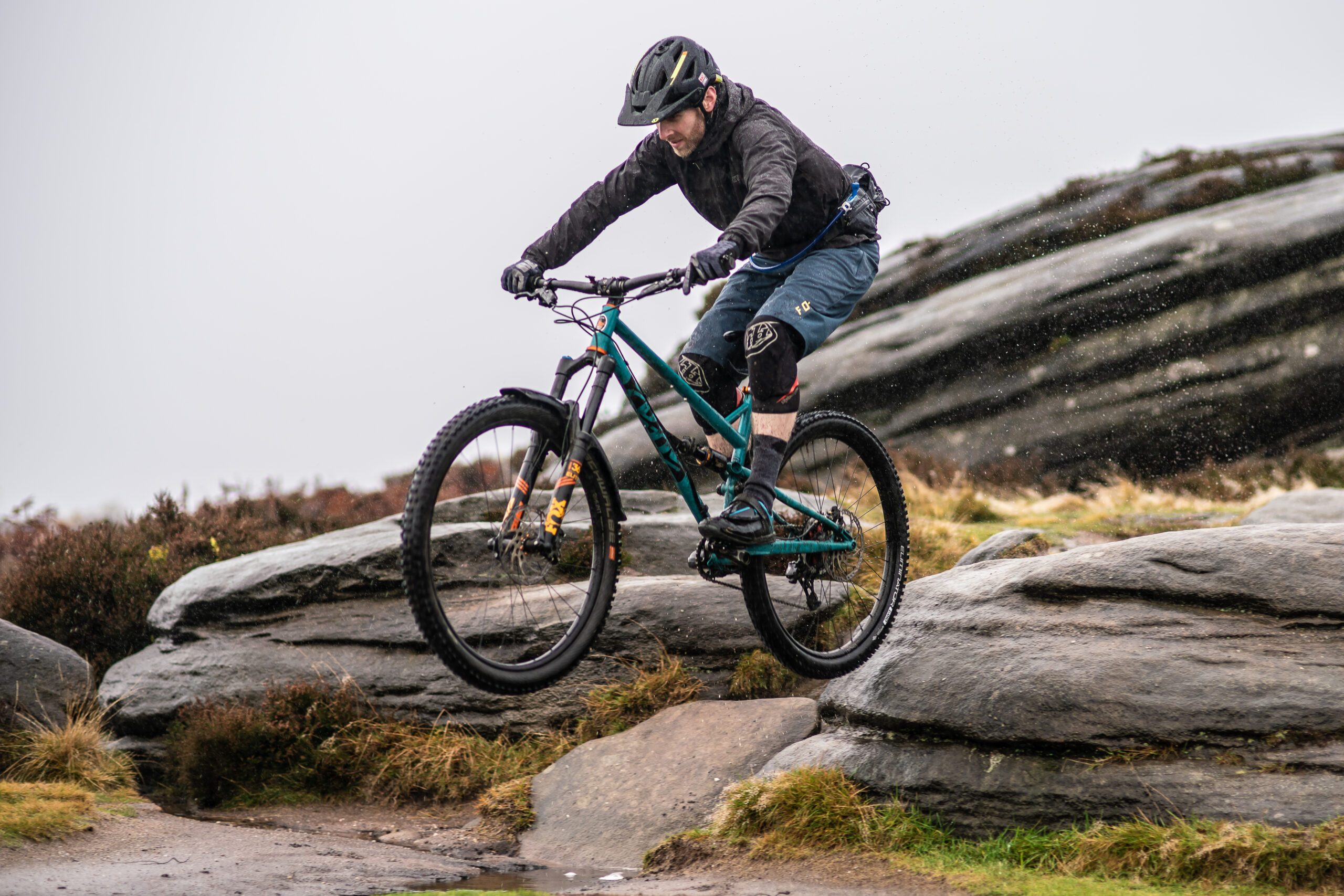
The Peak District is not always sunny, and that is not a problem. Landscape backdrops with dramatic cloud formations, low mist, or the saturated colour that follows rainfall often outperform flat sunny-day shots in commercial use because they create mood and depth.
Seasonal Colour and Brand Timing
Late August through October delivers the heather bloom and russet moorland that make Dark Peak landscapes globally recognisable. This is the peak period for outdoor brand shoots requiring warm, saturated colour. Spring brings fresh green to the dales and blossom to the limestone edges, which suits brands targeting a refresh or new-season campaign launch.
Winter shoots are underused and often produce the most striking results. Snow on Mam Tor or frost-covered millstone grit is a distinctive visual that few competitors will have in their libraries. The shorter days concentrate usable golden hour light into a very specific window, which requires planning but rewards preparation.
Pro tip: Book your outdoor brand shoot for a Tuesday, Wednesday, or Thursday. Weekend shoots at popular Peak District locations like Stanage Edge or Mam Tor will be interrupted by recreational visitors who appear in background shots. Weekday shoots give a specialist photographer far greater control over the scene.
How Landscape Backdrops Affect Brand Perception
There is a well-documented psychological effect called place attachment, where specific landscapes carry emotional associations for viewers. Research published through the Journal of Environmental Psychology consistently shows that landscapes associated with challenge, wilderness, and natural heritage trigger emotional responses that transfer to products depicted in those settings.
“Place identity is not just a backdrop. It is a signal of values. Brands that shoot in culturally significant landscapes borrow the emotional weight of that place.” – Dr. David Uzzell, environmental psychologist, University of Surrey
For outdoor brands, associating your product with Kinder Scout or Stanage Edge is not simply aesthetic. It positions your brand within a specific cultural and physical heritage that resonates with active outdoor consumers. These are people who know these places, visit them, and feel personally invested in them.
This is precisely why a specialist with deep knowledge of the Peak District landscape, who shoots there regularly and knows how the light moves through Derwent Valley at different times of year, will produce more commercially effective images than a general commercial photographer sent to the location for a single day.
Working with a Specialist Photographer vs. a Generalist
The difference between a generalist commercial photographer who visits the Peak District once for your shoot and a photographer who works there consistently is not primarily a matter of technical skill. It is a matter of knowledge accumulated over time: which edge catches the best low light in November, which valley fills with mist after an overnight frost, and which path gives unobstructed access to a specific gritstone formation that reads perfectly behind a standing model.
Local Knowledge as a Commercial Asset
A photographer based in or regularly working the Peak District has scouted locations in all seasons and weathers. They know the National Trust permit requirements for Longshaw Estate, they know which car parks give access to Mam Tor before the day visitors arrive, and they know that the light at Froggatt Edge peaks about 25 minutes after the light at Stanage Edge, which allows you to move between locations within a single golden hour window if you plan correctly.
None of this is information a generalist can acquire from a single location scout. It is knowledge that only comes from sustained, repeated work in a specific place. For outdoor brand photography, that knowledge directly translates into images that look like they were made by someone who belongs in this landscape, which is exactly the impression your brand needs to make.
Drone Work as an Extension of Ground-Level Commercial Shoots
Aerial drone photography over Peak District moorland and dale gives brands a genuinely cinematic perspective that no amount of wide-angle ground-level shooting can replicate. A product or lifestyle subject placed on the Kinder Plateau, photographed from 40 metres above with the sweep of the Dark Peak stretching to the horizon, produces an image that competitors shooting in generic locations simply cannot match.
Practical Shoot Planning for Peak District Brand Work
A well-planned outdoor brand shoot in the Peak District typically runs across one or two full days. Single-day shoots are possible for smaller product ranges with a focused location brief. Multi-day shoots allow for weather contingency, which is always a practical consideration in upland England.
Connecting Shoot Output to the Full Content Ecosystem
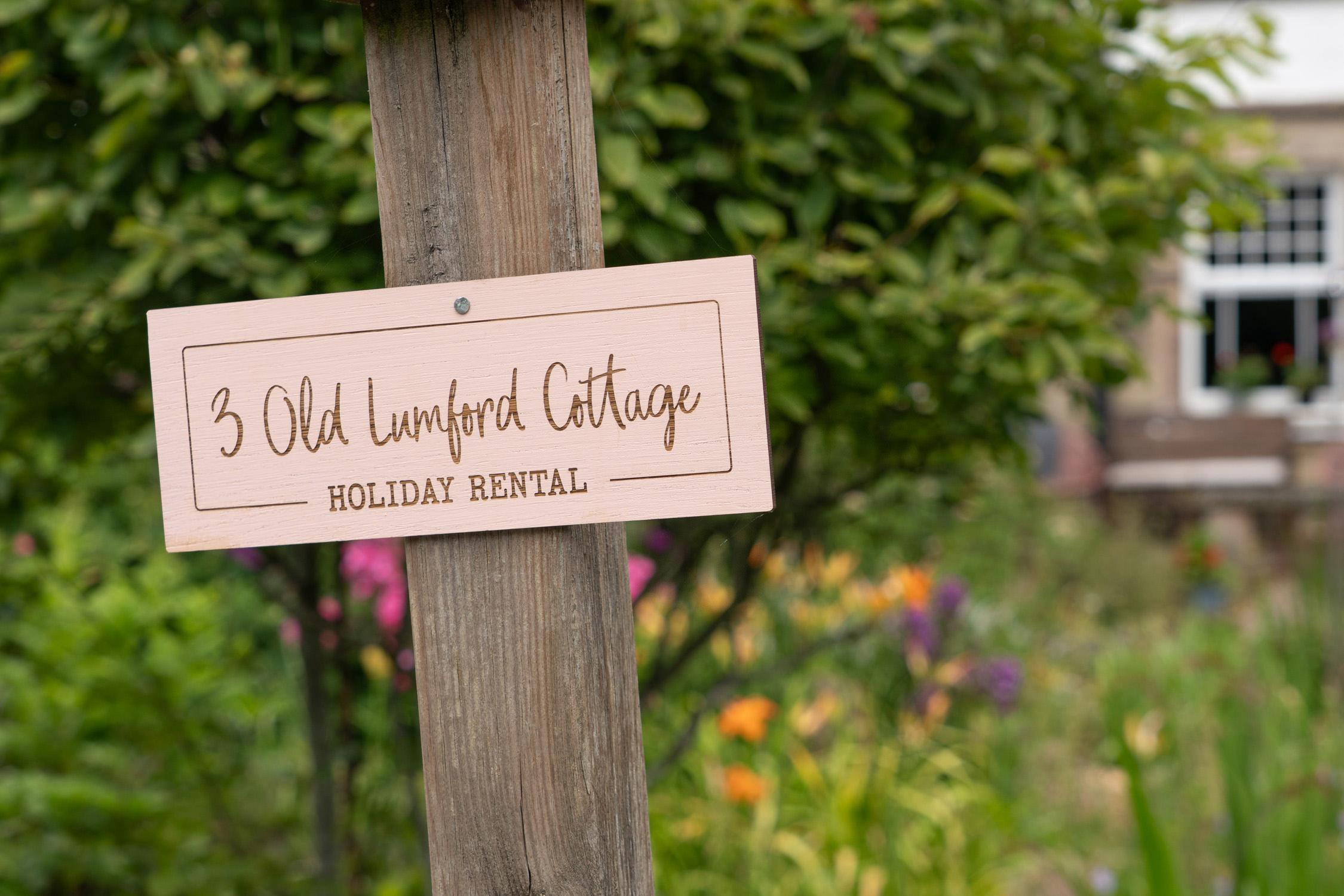
Outdoor brand photography from a Peak District shoot does not just serve advertising campaigns. The same shoot can produce images for a holiday rental property website if the brand has a physical base in the region, destination marketing content for tourism partners, print products like calendars and greeting cards that extend the brand into physical retail, and website banners that give a brand’s digital presence a genuine sense of place.
This multi-use planning approach means the cost of a single commercial shoot is distributed across a much wider content ecosystem, making the per-image cost significantly lower than commissioning multiple separate shoots for each use case.
Have you used Peak District landscapes as a backdrop for a brand or commercial shoot? Share what worked, what did not, and what you wish you had planned differently.
Frequently Asked Questions
What is the best season for outdoor brand photography in the Peak District?
Late summer through autumn, specifically late August to October, offers the most distinctive Peak District colour, including heather bloom and turning moorland. Spring brings fresh green and blossom. Winter shoots deliver dramatic frost and snow conditions with concentrated golden hour windows. There is no objectively bad season. The right season depends entirely on what your brand needs to communicate visually.
Can outdoor brand photography work for products that are not specifically outdoor gear?
Yes, and this is an underused opportunity. Food and drink brands, clothing brands with no specific outdoor positioning, homeware brands, and even digital service businesses have used landscape-driven commercial photography to signal quality, craft, and regional identity. The connection between your product and the Peak District does not need to be literal. It needs to be emotionally coherent with your brand values.
How does Peak District commercial photography compare to shooting in other UK national parks?
The Peak District’s central position means it is visually familiar to a large portion of the English population, which creates stronger place recognition in marketing materials targeting that audience. The variety of landscape types within a compact area also reduces location scouting and travel time compared to parks like the Lake District or Snowdonia, where dramatic locations are more spread out. For brands whose primary customers are based in the Midlands, North West, or Yorkshire, the Peak District delivers stronger geographic resonance than more remote national parks.
What should I look for when hiring a Peak District commercial photographer?
Look for a portfolio that includes commercial work, not just landscape photography. A landscape photographer and a commercial photographer are different disciplines. The best Peak District commercial photographers have done both and know how to apply landscape knowledge to product and lifestyle briefs. Check that they hold professional indemnity and public liability insurance, that they have a CAA operator ID if drone work is required, and that their contract clearly specifies file delivery formats, turnaround times, and usage rights.
References
- HubSpot marketing statistics on consumer trust and brand authenticity
- Forbes coverage of visual branding trends and commercial photography ROI
- Statista data on UK national park visitor numbers and outdoor recreation trends
- Ahrefs blog on visual content performance and image-driven SEO for brand campaigns
- Moz resource on content strategy and image optimisation for commercial websites