Table of Contents
- Why Pub Photography Drives Bookings and Revenue
- Quick Takeaways
- What Great Pub and Restaurant Photography Actually Looks Like
- The Technical Side of Commercial Property Photography for Hospitality
- Comparing Photography Approaches for Pubs and Restaurants
- How Aerial Drone Photography Changes the Picture for Rural Pubs
- Common Mistakes Pub and Restaurant Owners Make With Photography
- How to Use Your Images Across Marketing Channels
- Frequently Asked Questions
- References
Why Pub Photography Drives Bookings and Revenue
Most pub and restaurant owners underestimate how much their photography is costing them. Not the cost of hiring a photographer, but the cost of not having images that convert browsers into bookers. According to research cited by HubSpot, content with compelling visuals generates up to 94% more engagement than text-only content. For a Peak District pub competing for weekend bookings, a stunning fireplace shot or a well-lit dining room image is not decoration. It is a direct revenue driver.
Pub photography sits at a specific intersection of architectural, food, and lifestyle photography. Done well, it communicates warmth, character, and credibility before a single word is read. Done badly, it makes even a charming 17th-century coaching inn look like a budget travel listing. The stakes are real.
Quick Takeaways
| Key Insight | Explanation |
|---|---|
| Natural light is your best asset and biggest variable | Peak District pubs with low beams and stone walls need carefully timed natural light shoots, usually mid-morning, to avoid flat or overly warm artificial light that kills detail. |
| Empty rooms sell atmosphere, not capacity | A well-staged dining room shot with two or three tables set for dinner outperforms a wide-angle shot of an empty space. Buyers imagine themselves there, not the square footage. |
| Exterior shots are the first filter for online searchers | On Google Business Profile and booking platforms, the exterior image is often the first photo displayed. A dark or cluttered exterior will lose clicks before anyone sees your interiors. |
| Food and drink images must be shot on-location, not stock | Using stock food photography against your actual interior creates an obvious mismatch that damages trust with potential guests. Authentic in-situ images of your own menu perform better. |
| Drone images increase perceived value for rural venues | For Peak District pubs with countryside settings, aerial shots showing the surrounding landscape significantly increase perceived desirability for guests choosing between comparable venues. |
| Consistent image sets outperform one strong hero shot | Booking platforms reward venues with 20 or more quality images with higher placement. A single great image does not compensate for thin or inconsistent coverage across the rest of your listing. |
| Seasonal reshoots protect your marketing investment | A pub photographed in summer needs winter shots for Q4 campaigns. Single-season image libraries limit your ability to run relevant seasonal promotions with genuine visual content. |
Understanding these fundamentals separates venues that get strong click-through rates on their listings from those that quietly bleed bookings to better-presented competitors. The following sections go deeper into what separates average commercial property photography from the kind that genuinely moves the needle for hospitality businesses.
What Great Pub and Restaurant Photography Actually Looks Like
There is a clear difference between photography that documents a space and photography that sells an experience. The best restaurant photography does the latter. It answers the unspoken question every potential guest is asking: will I feel good here?
Interior Atmosphere and Staging
For a traditional Peak District pub, this means capturing the texture of exposed stone walls, the glow of a log fire in the hearth, polished brass beer taps, and real ale on the bar. These are not incidental details. They are the visual vocabulary that differentiates a character-rich destination pub from a generic chain venue. In practice, that means staging each shot carefully: fresh flowers on tables, clean glassware, a lit candle or two, no stray staff aprons over chair backs.
Staging is not about deception. It is about presenting the experience at its best, in the same way you would clean and style any space before welcoming guests.
Food and Drink Photography Within the Venue
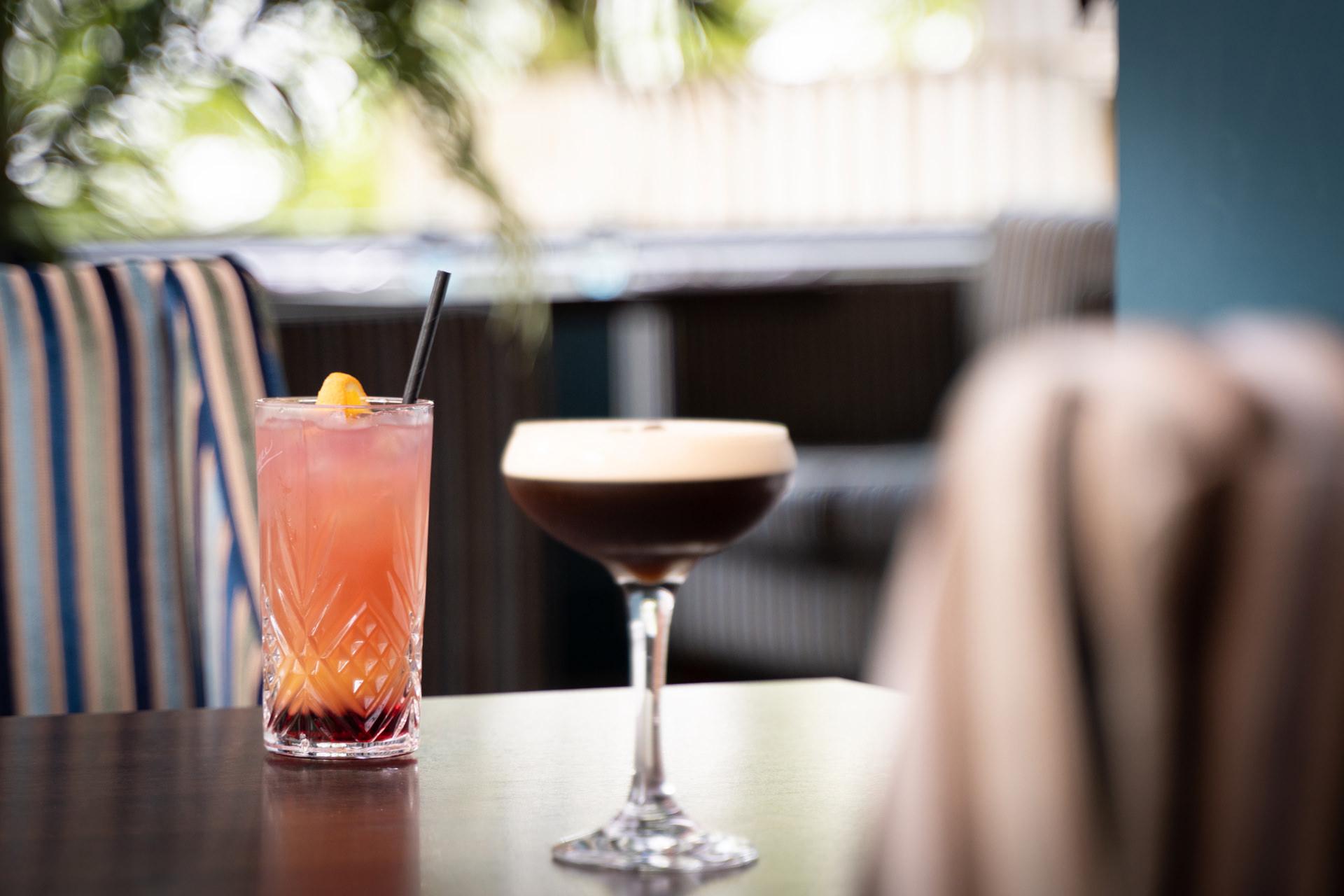
Close-up food shots matter, but the most effective images for pub marketing show food or drinks in context. A pint of local ale photographed on the bar with the pub interior soft-focused behind it tells a far richer story than a white-background product shot. The same applies to Sunday roast plates on a properly set table. Context drives emotional response, and emotional response drives bookings.
Pro tip: Coordinate your photography session with your kitchen team to have fresh, plated dishes ready at the start of service. Food photographed under service conditions looks real because it is. Images staged hours before or after service often look stale or artificial, and experienced viewers notice.
Capturing the Social and Garden Spaces
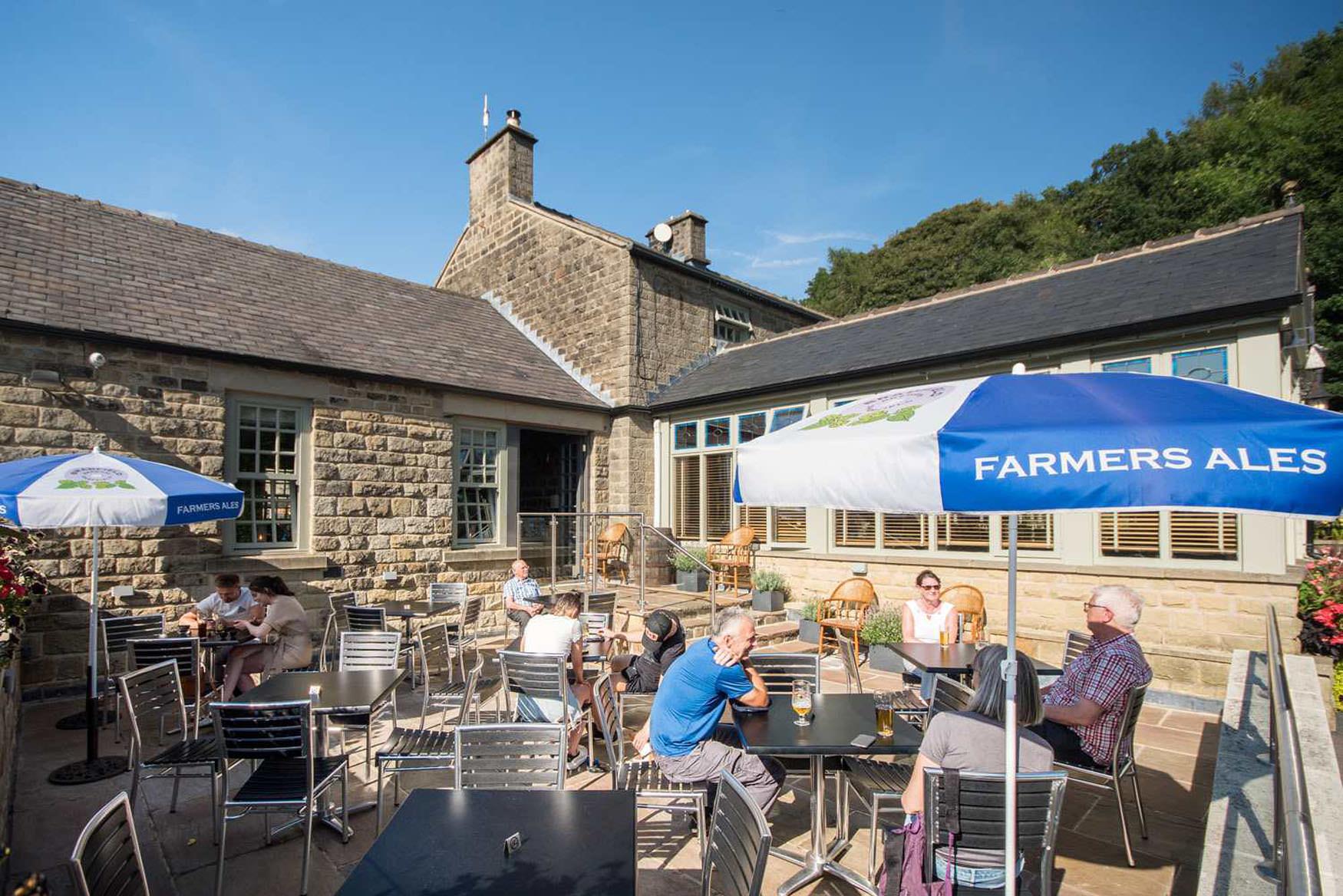
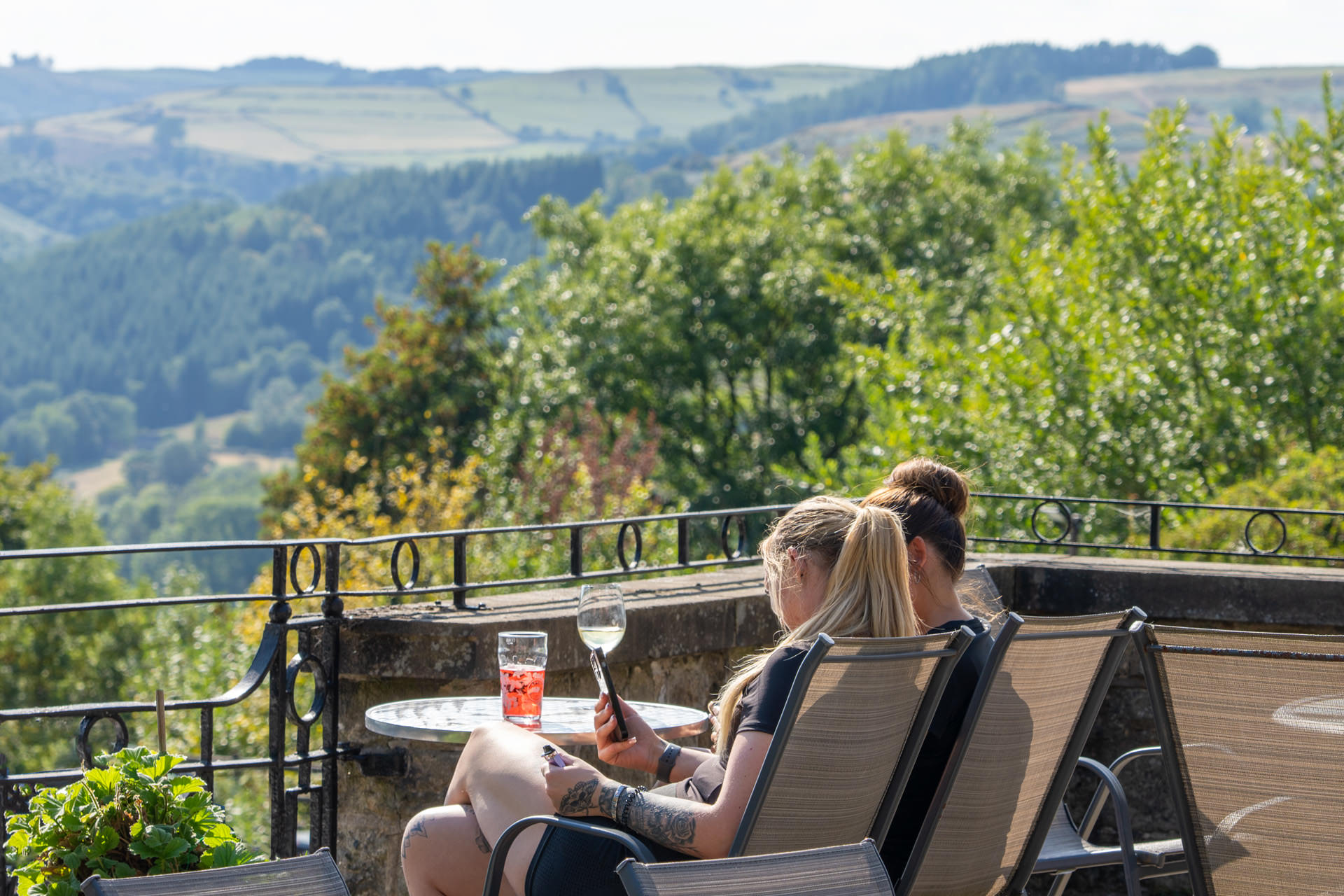
Beer gardens, terraces, and outdoor dining areas are among the most booked features for Peak District hospitality venues, particularly for summer visitors walking the national park trails. These spaces deserve their own dedicated shots at the right time of day, typically late afternoon when golden light flatters stone paving and wood furniture. Do not photograph your beer garden at midday in flat white cloud unless your venue specifically targets year-round outdoor dining.
The Technical Side of Commercial Property Photography for Hospitality
Commercial property photography for pubs and restaurants is technically demanding in a way that confuses many venue owners who have tried to self-shoot with a smartphone or a basic camera. The problems almost always come down to three areas: mixed lighting, geometry, and dynamic range.
Managing Mixed Light Sources
A typical Peak District pub has small windows letting in cold daylight, warm tungsten bulbs over the bar, and open flames from a fireplace or candles. Each light source has a different colour temperature. Without professional lighting management and post-processing, these mixed sources produce images where the walls look orange, the windows blow out to white, and shadow areas block up to black. A professional photographer shoots with either controlled supplementary lighting or uses exposure blending techniques to manage each zone separately.
Correcting Geometry in Low-Ceiling Spaces
Many old Peak District pubs were built with low ceilings and uneven floors, which is part of their charm but a real challenge for photography. Wide-angle lenses used carelessly produce dramatic perspective distortion that makes walls lean and ceilings bend. The correct approach is to use a tilt-shift lens or apply precise geometric correction in post-processing while preserving the honest feel of the space. A common mistake is over-correcting, which makes rooms look unnaturally sterile and removes the character that guests are actually booking for.
Pro tip: Always specify that your photographer shoots in RAW format, not JPEG. RAW files retain far more data from the sensor and allow much greater control over highlights and shadows during editing. For hospitality interiors with high dynamic range, the difference in final image quality is significant.
Comparing Photography Approaches for Pubs and Restaurants
Venue owners regularly face a choice between three practical options when it comes to updating their photography. Each has genuine trade-offs worth understanding before committing budget.
| Approach | Best For | Key Limitations |
|---|---|---|
| Professional specialist photographer (local, hospitality-focused) | Venues wanting images that perform on booking platforms, social media, and print marketing. Best ROI over 12-24 months of use. | Higher upfront cost. Requires planning and coordination with venue teams for staging and timing. |
| General commercial photographer (not hospitality-specialist) | Venues with a limited budget needing images that are technically competent but not necessarily optimised for hospitality conversions. | Often lacks understanding of hospitality staging, lighting nuances in old buildings, and what booking platforms prioritise visually. |
| In-house smartphone photography | Social media stories, behind-the-scenes content, and real-time updates where authenticity matters more than technical quality. | Rarely suitable for website hero images, printed marketing materials, or primary booking platform listings where image quality directly affects click-through rates. |
For most Peak District pubs and restaurants targeting guests who are choosing between several comparable venues, the hospitality-specialist option delivers the clearest return. The images work harder across more channels for longer, and the gap in quality is visible to the guests you most want to attract.
How Aerial Drone Photography Changes the Picture for Rural Pubs
For a pub or restaurant sitting on the edge of Dovedale, near Chatsworth, or along one of the Dark Peak moorland routes, the surrounding landscape is as much a part of the offering as the food on the table. Guests are not just choosing a pub. They are choosing an experience embedded in a specific place. Aerial drone photography communicates that setting in a way no ground-level image can.
A drone shot showing a stone-built pub tucked into a valley with moorland rising behind it, shot on a clear morning with long shadows, positions that venue as a destination rather than a stop. This is the type of imagery that tourism boards and destination marketing organisations actively seek for their own campaigns, which creates a secondary benefit: venues with strong aerial imagery are easier to feature in broader regional marketing materials.
In practice, drone photography sessions for Peak District hospitality venues work best in spring and autumn when the landscape colour is at its most dramatic. Summer shoots can produce flat green imagery that lacks visual distinction, while winter shoots offer their own stark beauty that suits certain venue brands. The key is to plan the drone session around both light conditions and the specific visual story the venue wants to tell.
“Visual content is the single most powerful driver of hospitality booking decisions. Venues that invest in professional imagery consistently outperform comparable properties in both click-through rate and direct booking conversion.” Cornell Hospitality Research Summary
Common Mistakes Pub and Restaurant Owners Make With Photography
After working with hospitality venues across the Peak District, certain patterns emerge consistently. These are the mistakes that cost venues bookings without anyone necessarily realising photography is the problem.
A common mistake is booking a photography session during a busy service. The venue looks lived-in rather than welcoming, backgrounds contain distracting elements, and the photographer cannot move freely to find the right angles. Photography sessions for pubs and restaurants should be scheduled before opening or during a closed period specifically set aside for the shoot.
Another frequent problem is neglecting the approach and entrance. Guests form their first visual impression from the exterior and the path to the door, not the bar. An overgrown car park, a dated sign, or a front door that looks unwelcoming in photographs will reduce click-through even if the interior is beautiful. The exterior always needs to be included and always needs to be presented at its best.
Finally, many venues photograph only what they currently have, rather than thinking about what they are trying to sell in the next 12 months. If you are planning a new menu, a refurbished dining room, or a new outdoor terrace, build those future marketing needs into your photography brief now. Reshoot costs are always higher than getting the brief right the first time.
How to Use Your Images Across Marketing Channels
The data consistently shows that venues with a cohesive, professional image library across their website, booking platforms, and social channels build faster brand recognition and earn more direct bookings compared to those with inconsistent or mixed-quality imagery. A single professional shoot, planned and executed correctly, provides the raw material for 12 months of consistent visual marketing.
Frequently Asked Questions
How long does a professional pub photography session typically take?
A thorough commercial property photography session for a mid-sized pub covering exterior, interior, bar, dining areas, and food and drink shots typically takes between three and five hours. Venues with gardens, multiple rooms, or specific drone requirements should plan for a full day. Rushing a hospitality shoot produces the corner-cutting that makes final images look generic rather than distinctive.
How many images should a pub or restaurant receive from a professional shoot?
A well-planned full-day shoot should yield between 40 and 60 fully edited, usable images. This is enough to populate a website gallery, provide primary images for booking platforms, supply seasonal social media content, and create printed marketing materials. Receiving fewer than 25 edited images from a commercial hospitality shoot is a sign the brief was underpowered or the session was too short.
Does restaurant photography need to include people or models?
Not necessarily, but images with people in them perform well in specific contexts, particularly social media and lifestyle sections of a website. The key is that any people in the shots should look natural and relaxed rather than posed. A few candid-style images of guests enjoying a meal or staff at work add warmth and social proof. For booking platform primary images and website hero shots, empty but beautifully staged rooms typically perform best.
Can the same photography session cover both the pub interior and the surrounding landscape for tourism marketing?
Yes, and this is one of the most efficient ways to maximise the value of a single session. Combining a commercial property shoot with drone aerial work and wider landscape shots of the surrounding area means the resulting image library can serve both direct booking marketing and broader destination or tourism board campaigns. For Peak District venues, this dual-purpose approach significantly improves the return on a photography investment.
How often should a pub or restaurant update their photography?
At minimum, every two to three years, or whenever a significant refurbishment takes place. In practice, the venues with the strongest visual marketing update their photography seasonally for at least one or two shots per season, keeping their social and digital presence current. A winter fire image used in a December campaign will always outperform a summer garden shot recycled from three years ago. Seasonal updates do not require full reshoots. Targeted half-day sessions focused on specific spaces or seasonal details are cost-effective and keep the library fresh.
What has been your experience with professional photography for your pub or restaurant, and did it change how potential guests responded to your listings? Share your thoughts below.
References
- HubSpot marketing research and visual content engagement statistics
- Statista data on hospitality industry digital marketing and booking trends
- Forbes insights on hospitality business marketing and visual branding strategies
- Ahrefs research on visual content performance and organic search for local businesses
- Moz guidance on local SEO and image optimisation for hospitality businesses