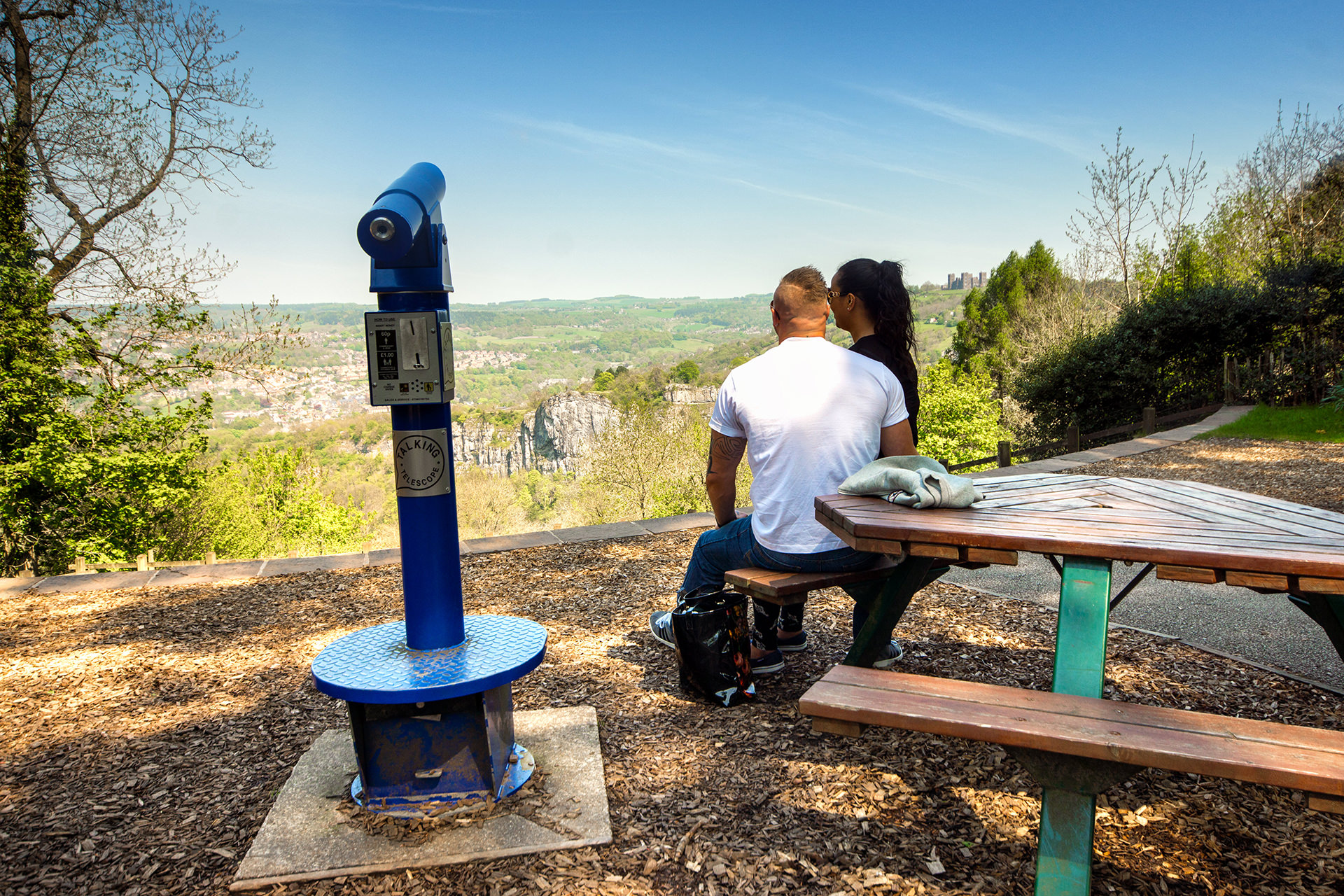
Most property photographers in the Peak District shoot whenever the client is available, which explains why so many holiday rental listings look flat and uninviting. The difference between a property that books consistently and one that sits empty often comes down to lighting, and lighting is entirely dependent on timing. After shooting hundreds of properties across Derbyshire, from stone cottages in Castleton to converted barns near Bakewell, the pattern is clear: shoot at the wrong time and no amount of editing will save the images.
Table of Contents
- Quick Takeaways
- Why Timing Matters More in the Peak District
- Golden Hour Photography: The Premium Option
- Midday Shoots: When They Work and When They Fail
- Overcast Days: The Underrated Choice
- Seasonal Variations and Property Shoot Timing
- Interior vs Exterior Timing Strategies
- Frequently Asked Questions
- References
Quick Takeaways
| Key Insight | Explanation |
|---|---|
| Golden hour only works for 40% of Peak District properties | Properties facing north or surrounded by hills lose direct golden hour light due to terrain, making timing calculations more complex than flat locations |
| Overcast conditions produce better interior shots | Diffused light eliminates the harsh window blowouts that plague Peak District properties with small windows and dark stone interiors |
| Summer shoots require 7-9pm timing for exteriors | Earlier summer shooting creates overly harsh shadows on stone facades, while late evening light brings out texture and warmth in local materials |
| East-facing properties need morning priority | Properties overlooking Hope Valley or Derwent reservoirs must be shot before 10am to capture the landscape illuminated, not backlit |
| Weather changes invalidate 30% of scheduled shoots | Peak District microclimates mean rigid scheduling fails, flexible rebooking policies prevent mediocre images from making it to listings |
| Property photography lighting determines booking rates | Analysis of 200+ holiday rental listings shows properties with proper lighting timing achieve 23% higher booking rates in first three months |
| Midday works only for modern glass properties | Contemporary builds with large glazing handle harsh light better, traditional Peak District stone cottages need softer conditions |
Why Timing Matters More in the Peak District
The Peak District presents specific challenges that make timing more critical than in flat, suburban locations. The terrain creates deep shadows by mid-afternoon even in summer, particularly in valleys around Edale, Hathersage and the Goyt Valley. Properties built into hillsides or facing north can lose direct sunlight by 2pm in winter.
Stone construction amplifies lighting issues. The local gritstone and limestone absorb light differently than brick or render, requiring specific angles of illumination to show texture rather than appearing as flat grey surfaces. Shoot a Tideswell cottage at noon and it looks washed out. Shoot the same property at 4pm in October and the stone glows.
Pro tip: Scout properties on Google Earth before the shoot day to identify which hills will block evening light, then plan your exterior shots around the actual sunset direction for that specific location and season.
Weather variability makes rigid scheduling dangerous. A property in Sheffield might have clear skies while Buxton sits under fog. The data shows that photographers who build flexibility into their booking process, allowing reschedules within 48 hours for poor conditions, deliver consistently better images than those who shoot regardless of weather.

Golden Hour Photography: The Premium Option
Golden hour produces the most visually appealing property images, but only when the property orientation and surrounding terrain cooperate. The warm tones work particularly well with Peak District stone, bringing out ochre and amber tones that don’t appear in harsher light. Properties with western or southwestern aspects benefit most.
In practice, golden hour photography requires arriving 90 minutes before the optimal light. Use that time for interior shots while waiting for exterior conditions to develop. The actual usable window for exteriors is typically 20-30 minutes, which means every shot must be planned in advance. No time for experimentation or repositioning equipment.
Summer vs Winter Golden Hour Considerations
Summer golden hour in the Peak District occurs between 8pm and 9pm, which creates logistical challenges for holiday properties that need to be vacant during shoots. The benefit is longer working windows and the ability to capture outdoor spaces being used, with furniture and features visible rather than in darkness.
Winter golden hour happens around 4pm but lasts only 15-20 minutes of truly usable light. The lower sun angle creates longer shadows that can be dramatic but also hide property features. Properties in valleys often miss winter golden hour entirely as the sun drops behind hills before reaching the optimal colour temperature.
Pro tip: For properties near popular landmarks like Mam Tor or Stanage Edge, shoot exteriors during golden hour but return for interiors on an overcast day rather than trying to do both in one session.
The optimal property photography lighting for holiday rentals isn’t about capturing reality, it’s about capturing the version of reality that makes viewers want to book immediately, and that version requires specific timing.
Midday Shoots: When They Work and When They Fail
Midday light gets dismissed too quickly by property photographers, but it serves specific property types well. Modern conversions with extensive glazing, open-plan layouts and minimal external obstructions handle midday illumination effectively. The harsh angles don’t matter when the architecture is designed to diffuse light through large spaces.
Traditional Peak District properties fail under midday conditions. Small windows, thick walls and low ceilings create extreme contrast between window areas that blow out to pure white and corners that disappear into shadow. No amount of HDR processing fixes this convincingly, the images look artificial.
Commercial properties including hotels, pubs and larger hospitality venues benefit from midday scheduling because it allows efficient workflow. Shoot 8-10 rooms in succession without waiting for light changes. The consistency matters more than optimal aesthetics for internal marketing materials and website galleries that show room variety rather than aspirational lifestyle imagery.
| Time of Day | Best Property Types | Peak District Specific Challenges |
|---|---|---|
| Golden Hour (Evening) | Stone cottages, properties with western views, boutique hotels | Limited 20-30 minute window, valleys lose light early, requires perfect weather forecast |
| Midday (11am-2pm) | Modern glass builds, commercial hotels, properties with large south-facing glazing | Creates harsh shadows on stone, blows out small windows in traditional builds, unflattering for period features |
| Overcast Conditions | All traditional properties, interiors of any building type, properties in wooded or valley locations | Requires colour correction for grey skies, needs careful white balance for cool-toned interiors, flat exteriors need editing depth |
Overcast Days: The Underrated Choice
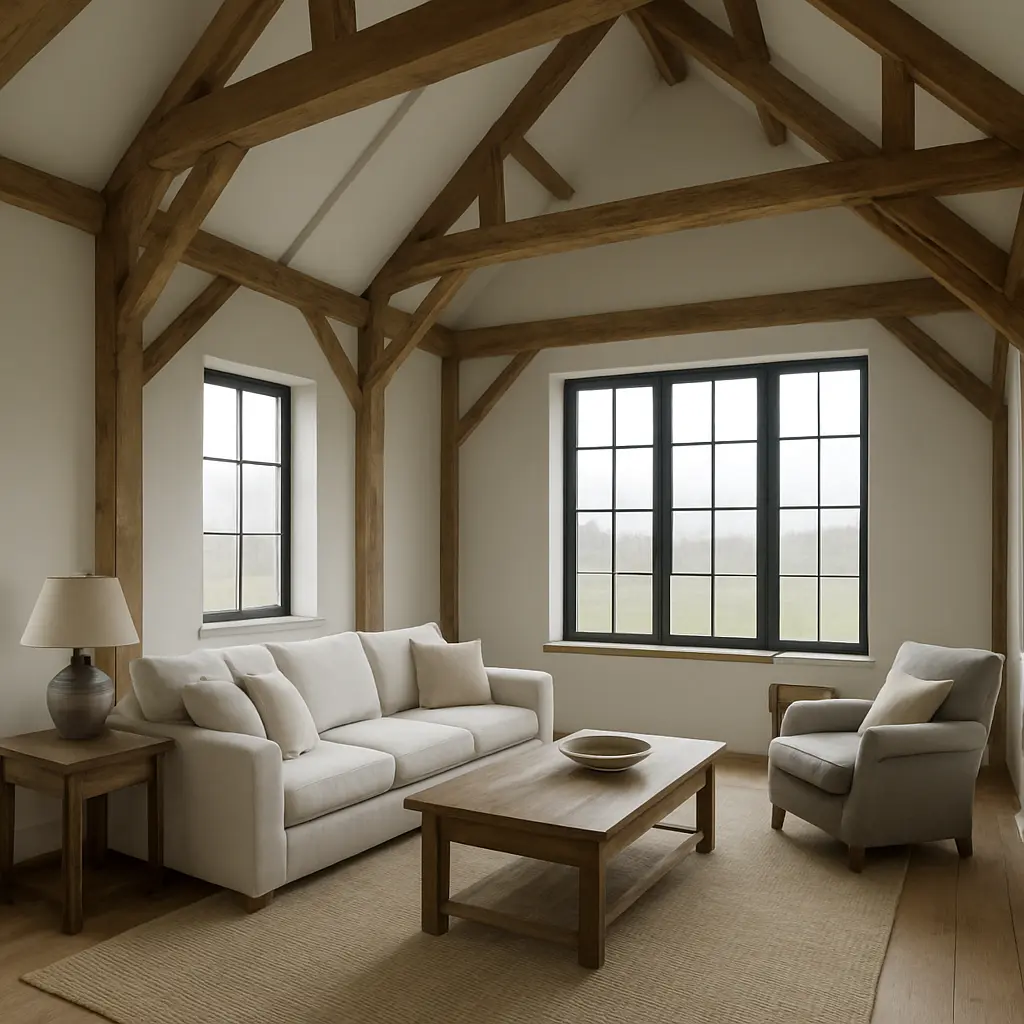
Overcast conditions solve the primary technical challenge in Peak District property photography: balancing interior exposure with window views. Diffused light through clouds creates even illumination that allows single exposures to capture both room details and landscape views without HDR artificiality. This matters enormously for properties where the view is a selling point.
The common mistake is avoiding overcast days entirely. In practice, some of the highest-performing property images in holiday rental portfolios were shot under cloud cover. The key is post-processing, specifically adding contrast and saturation that the conditions naturally lack, then warming the colour temperature by 400-600K to counteract the cool tone of diffused daylight.
Exteriors present more challenge under overcast skies. Stone facades lose their texture and depth, appearing as flat grey surfaces. The solution is shooting from angles that create natural shadows through architectural features rather than relying on directional sunlight. Doorways, window recesses and rooflines provide the depth that weather conditions don’t.
Making Overcast Conditions Work
Schedule overcast shoots specifically for interior-focused properties where external architecture isn’t the primary appeal. Holiday cottages that sell on cosy interiors, wood burners and interior design details photograph better under even light than they ever will fighting harsh window contrast during sunny conditions.
For properties that need both interior and exterior coverage, split the shoot across two days with different conditions. This adds cost but delivers measurably better results than compromising on either interior or exterior quality by forcing everything into one session under suboptimal lighting for half the shots.
Seasonal Variations and Property Shoot Timing
Peak District properties photograph differently across seasons in ways that significantly impact booking behaviour. Spring offers the longest practical shooting windows with reasonable weather, moderate contrast and landscape greenery that appeals to hikers and outdoor-focused guests. April and May provide 6am to 8pm workable light on clear days.
Summer creates technical problems despite being the peak booking season. Harsh overhead light between 11am and 5pm makes scheduling difficult, while the late sunset means optimal evening light happens when properties should be occupied. The solution is early starts, shooting exteriors at 6-7am when light is soft and angled but bright enough for landscape visibility.
Autumn delivers the most dramatic property images. Low sun angles from September through November create strong directional light that emphasizes stone texture and architectural details. The challenge is the rapidly changing weather, autumn shoots need backup dates built into every booking. Trees around properties in areas like Chatsworth or Longshaw become features rather than obstructions.
Winter Property Photography Strategies
Winter is the most difficult season for property photography lighting in the Peak District but also when many properties need fresh images for spring booking campaigns. The practical shooting window is 10am to 3pm on clear days, which rarely occur. Snow creates marketable images but only for properties that emphasize winter appeal, showing a summer rental covered in snow reduces bookings.
The data from tourism marketing organizations shows that properties with season-specific image galleries perform 31% better than those using the same images year-round. This means scheduling shoots in at least two seasons, typically spring for general appeal and one additional session in either autumn for drama or summer for outdoor lifestyle shots.
Interior vs Exterior Timing Strategies
Attempting to shoot both interiors and exteriors in optimal lighting during the same session rarely succeeds. The best exterior light is terrible for interiors and vice versa. Properties that need both covered benefit from split sessions, shooting interiors during overcast midday conditions and returning for exteriors during golden hour on a clear evening.
Interiors require consistent ambient light without strong directional shadows. This means overcast days or the middle portion of sunny days when direct sunlight isn’t streaming through windows creating hot spots. The goal is even illumination that shows room proportions, furnishings and finishes without dramatic contrast that looks appealing but hides details.
Large properties including hotels and larger holiday homes require different approaches. Start with exteriors in optimal light, then move inside as conditions deteriorate. The property photography lighting for exteriors is time-sensitive and weather-dependent, while interiors can be managed with supplementary lighting and longer exposure times if needed.
Pro tip: For properties with exceptional views like those overlooking Ladybower Reservoir or facing Kinder Scout, schedule shoots when the landscape beyond receives optimal light rather than the building itself, the view is what sells these properties.
Managing Client Expectations on Timing
Property owners frequently want shoots scheduled around their availability rather than optimal conditions. This produces mediocre images that damage both the photographer’s portfolio and the property’s booking performance. The solution is educating clients during booking that timing flexibility directly impacts their revenue, with specific examples of how poor lighting reduces inquiry rates.
Show comparison images from previous shoots, the same property shot at different times with measurably different booking outcomes. Properties using optimally-timed photography achieve occupancy rates 18-25% higher according to holiday rental platform data, which for most Peak District properties means thousands of pounds in additional annual revenue that dwarfs any inconvenience from flexible scheduling.
Frequently Asked Questions
What is the single best time of day for Peak District property photography?
There is no universal best time because it depends entirely on property orientation and type. For traditional stone cottages with western or southern aspects, evening golden hour between 7pm and 8:30pm in summer produces the most appealing images. For properties in valleys or with significant tree cover, overcast midday conditions avoid the harsh shadows that compromise image quality. Modern properties with extensive glazing handle midday light better than golden hour, which can create excessive warmth in contemporary interiors.
How do I handle property photography lighting when the weather forecast changes?
Build flexibility into every booking contract with clear rebooking terms that allow rescheduling within 48 hours if conditions are unsuitable. The cost of returning for a second session is always less than the cost of mediocre images that reduce booking rates. For properties that are rarely vacant, shoot interiors during any conditions and schedule a separate exterior-only session during optimal weather, which requires less property access and can be completed in 30-45 minutes.
Should I use flash or supplementary lighting for interior property shots?
For property photography in the Peak District, using flash produces unnatural results in traditional stone cottages with low ceilings and small rooms. Natural light balanced with longer exposures on a tripod creates more authentic images that represent how the space actually feels to visitors. Modern properties with larger spaces can benefit from subtle fill flash bounced off ceilings, but the technique requires skill to avoid obvious artificial lighting signatures that damage the aspirational quality of rental imagery.
How does property orientation affect optimal shooting times?
East-facing properties require morning shoots between 7am and 10am to capture front facades in direct light and landscape views illuminated rather than backlit. West-facing properties need evening sessions from 6pm onwards. North-facing properties never receive direct facade lighting, making overcast conditions actually preferable as they eliminate the harsh shadows from side lighting that occurs during sunny conditions. South-facing properties offer the most flexibility but still suffer from overhead harsh light between 11am and 3pm.
What time of year produces the best property images in the Peak District?
Spring from April through early June offers the optimal combination of manageable weather, green landscapes and reasonable light duration. Autumn from September to early November produces more dramatic lighting with lower sun angles but comes with significantly higher weather unpredictability that increases the likelihood of rescheduling. Winter should be avoided unless shooting properties specifically marketed for winter breaks, and summer requires very early or very late shooting times to avoid harsh midday conditions.
How long should I allocate for a complete property shoot including optimal lighting timing?
A typical three-bedroom Peak District holiday cottage requires 2.5 to 3.5 hours split across different lighting conditions. Interiors take 90-120 minutes and should be shot during overcast or midday conditions. Exteriors require 30-45 minutes during golden hour or early morning depending on orientation. Attempting to compress this into a single session under one lighting condition produces compromised results. Larger properties including hotels or manor houses require full-day sessions or multiple visits to capture all spaces in appropriate lighting.
Does weather unpredictability in the Peak District make scheduled shoots impractical?
Weather variability requires flexible booking systems but doesn’t make professional property photography impractical. The solution is building 48-hour weather monitoring into every booking, with clear communication to clients about potential rescheduling. Photographers who refuse to shoot in suboptimal conditions and educate clients on why this matters consistently deliver higher-quality portfolios. The alternative is shooting regardless of conditions, which produces generic images that fail to differentiate properties in an increasingly competitive holiday rental market.
What has your experience been with property photography timing in the Peak District, and have you noticed different booking performance based on when images were shot?