Most holiday property owners photograph their cottages and farmhouses whenever the calendar allows. The result? Flat, uninspiring images that fail to convert browsers into bookers. Light changes dramatically throughout the day in the Peak District, and timing your property photography session correctly can increase booking conversions. The best time for property photography isn’t a single answer, it’s a strategic choice based on season, property orientation, and the emotional response you want to trigger in potential guests.
Table of Contents
- Quick Takeaways
- Why Timing Matters for Holiday Property Photos
- Spring Photography Timing: March-May
- Summer Photography Timing: June-August
- Autumn Photography Timing: September-November
- Winter Photography Timing: December-February
- Property Orientation and Light Direction
- Frequently Asked Questions
- References
Quick Takeaways
| Key Insight | Explanation |
|---|---|
| Golden hour isn’t universal | Peak District properties facing east need morning shoots, west-facing need evening sessions, regardless of season |
| Mid-morning beats midday | 10am-11am produces consistently flattering light across seasons without harsh shadows that plague noon photography |
| Overcast conditions favour stone properties | Grey skies eliminate harsh shadows on Derbyshire stone, revealing texture and detail better than bright sunshine |
| Summer requires earliest timing | June-July shoots must start by 9am to capture soft light before intense midday sun bleaches Peak District landscapes |
| Winter afternoon sessions preserve warmth | 2pm-3pm winter shoots maximize low-angle light that makes interiors feel cozy and inviting for holiday browsing |
| Seasonal property photography shows versatility | Properties photographed across seasons book 23% more often by appealing to different traveler preferences |
| Weather apps don’t predict photo-quality light | Visible sun doesn’t guarantee good photography conditions, thin cloud cover often produces superior results |
Why Timing Matters for Holiday Property Photos
The Peak District receives different light quality than lowland England. Elevated terrain, frequent cloud cover, and the region’s geography create specific lighting challenges that make timing critical. A property photographed at 2pm in July looks completely different than the same property shot at 10am in October.
In practice, properties photographed during optimal lighting windows receive more booking inquiries than identical properties shot during poor light conditions. The difference isn’t subtle. Harsh midday shadows make even luxury holiday cottages appear unwelcoming, while soft morning light transforms modest properties into aspirational retreats.
Pro tip: Schedule your property photography session as far in advance as possible. Peak District weather changes rapidly, and flexible timing allows rescheduling when conditions don’t cooperate without losing your photographer’s availability.
The emotional impact of proper timing extends beyond aesthetics. Potential guests scrolling through Airbnb or Booking.com listings make snap judgments within three seconds. Images captured during flattering light conditions trigger positive emotional responses that directly influence booking decisions. Properties that look warm, inviting, and well-maintained command premium nightly rates and maintain higher occupancy throughout the year.
Spring Photography Timing: March-May
Spring in the Peak District brings rapidly changing daylight hours and unpredictable weather. The best time for property photography shifts week by week as days lengthen. Early March requires afternoon sessions between 2pm-4pm to capture adequate light, while late May offers extended windows from 9am-6pm.
The challenge during spring is balancing interior and exterior shots. Properties surrounded by gardens and landscapes benefit from mid-morning shoots (9:30am-11am) when dew has dried but light remains soft. This timing captures emerging foliage and spring flowers without the harsh contrast that develops after noon.
Managing Spring’s Variable Weather
A common mistake is canceling photography sessions when forecasts predict clouds. Spring’s intermittent cloud cover often produces the most flattering light for stone cottages and farmhouses. Thin clouds act as natural diffusers, eliminating harsh shadows while maintaining adequate brightness for both interior and exterior photography.
Properties with prominent stone features photograph exceptionally well during overcast spring conditions. The even lighting reveals texture and architectural details that disappear under direct sunlight. Hotels and pubs in historic Peak District buildings should specifically request spring shoots during partly cloudy conditions rather than clear skies.
Summer Photography Timing: June-August
Summer presents the most challenging conditions for holiday property photos. Long daylight hours tempt property owners to schedule midday sessions, creating the worst possible lighting conditions. The best time for property photography during Peak District summers is surprisingly early: 8am-10am provides optimal light before intense sunshine creates problems.
Data from successful holiday rental listings shows properties photographed during early summer mornings receive significantly more saves and shares on booking platforms. The soft, directional light enhances architectural features while maintaining rich color saturation in surrounding landscapes.
| Time Window | Light Quality | Best For |
|---|---|---|
| 8am-10am | Soft, warm, directional | Exteriors, gardens, landscape views, properties facing any direction |
| 10am-3pm | Harsh, high-contrast, bleaching | Avoid for primary photography, only suitable for specific architectural details |
| 6pm-8:30pm | Golden, dramatic, warm | West-facing properties, atmospheric shots, properties with evening outdoor spaces |
The Late Evening Alternative
Properties with exceptional westward views or outdoor entertaining spaces benefit from late evening sessions during summer. Photography between 7pm-8:30pm captures golden hour light that makes Peak District landscapes glow. This timing works particularly well for holiday cottages marketing to couples seeking romantic getaways or properties with hot tubs and outdoor seating.
Pro tip: Summer shoots requiring both interior and exterior coverage should start with exteriors at 8am, break during harsh midday hours, then resume for interiors between 2pm-4pm when indirect light through windows creates natural ambiance without exterior glare.
Autumn Photography Timing: September-November
Autumn delivers the Peak District’s most photogenic conditions. The combination of lower sun angles, dramatic skies, and rich landscape colors creates naturally compelling imagery. The best time for property photography shifts back to mid-morning slots (10am-12pm) as daylight hours contract and sun intensity decreases.
Properties surrounded by deciduous trees require specific timing to capture autumn colors at peak intensity. Mid-October through early November provides approximately two weeks when foliage reaches maximum colour saturation. Scheduling seasonal property photography during this narrow window can transform ordinary cottages into highly desirable bookings for autumn travelers.
The data consistently shows that holiday properties with autumn-specific photography maintain higher occupancy during September-November compared to properties using only summer images. Travellers seeking autumn breaks in the Peak District respond strongly to imagery showing seasonal character, log fires, and cosy interiors photographed during authentic autumn conditions.
Capturing Interior Warmth
Autumn’s earlier sunsets make interior photography particularly important. Properties with log burners, wood stoves, or feature fireplaces should be photographed with fires lit during afternoon sessions (2pm-4pm). The combination of natural window light and firelight creates emotional warmth that significantly influences booking decisions for autumn and winter stays.
When to photograph property interiors during autumn depends on window orientation. Rooms with south-facing windows photograph best during late morning when indirect light fills spaces evenly. North-facing rooms require careful timing, typically mid-morning when reflected outdoor light provides adequate illumination without introducing harsh shadows.
Winter Photography Timing: December-February
Winter dramatically restricts photography windows in the Peak District. With sunset occurring as early as 3:45pm in late December, the best time for property photography compresses into a narrow midday window. Despite conventional wisdom suggesting golden hour timing, winter’s low sun angle creates golden-quality light throughout the middle of the day.
Properties photographed between 11am-2pm during winter months capture soft, directional light that makes stone buildings glow. The low sun angle that would create problems in summer instead produces flattering illumination that enhances architectural features and reveals landscape textures.
Snow Photography Opportunities
Peak District snowfall creates exceptional marketing opportunities for holiday properties. Properties photographed during or immediately after snowfall stand out dramatically in booking platform searches. The challenge is timing, snow conditions suitable for photography typically last only 24-48 hours before melting or becoming dirty.
Working with a local Peak District photographer who can respond quickly to snow conditions provides significant marketing advantages. Properties with fresh snow imagery attract premium bookings from travelers specifically seeking winter retreat experiences. These images remain valuable marketing assets for multiple seasons.
Properties that maintain current seasonal photography across all four seasons achieve higher average nightly rates compared to properties using generic or outdated imagery, according to booking platform conversion data.
Property Orientation and Light Direction
The best time property photography occurs depends fundamentally on which direction your holiday rental faces. A cottage with principal views and outdoor spaces facing east requires completely different timing than an identical property facing west. Understanding property orientation relative to sun path eliminates scheduling guesswork.
East-facing properties receive optimal light during morning sessions. Schedule photography between 8am-11am depending on season to capture front elevations, main entrances, and eastern outdoor spaces with soft, flattering illumination. Afternoon sessions on east-facing properties create shadowed, unappealing exteriors that reduce booking appeal.
West-Facing Properties and Evening Light
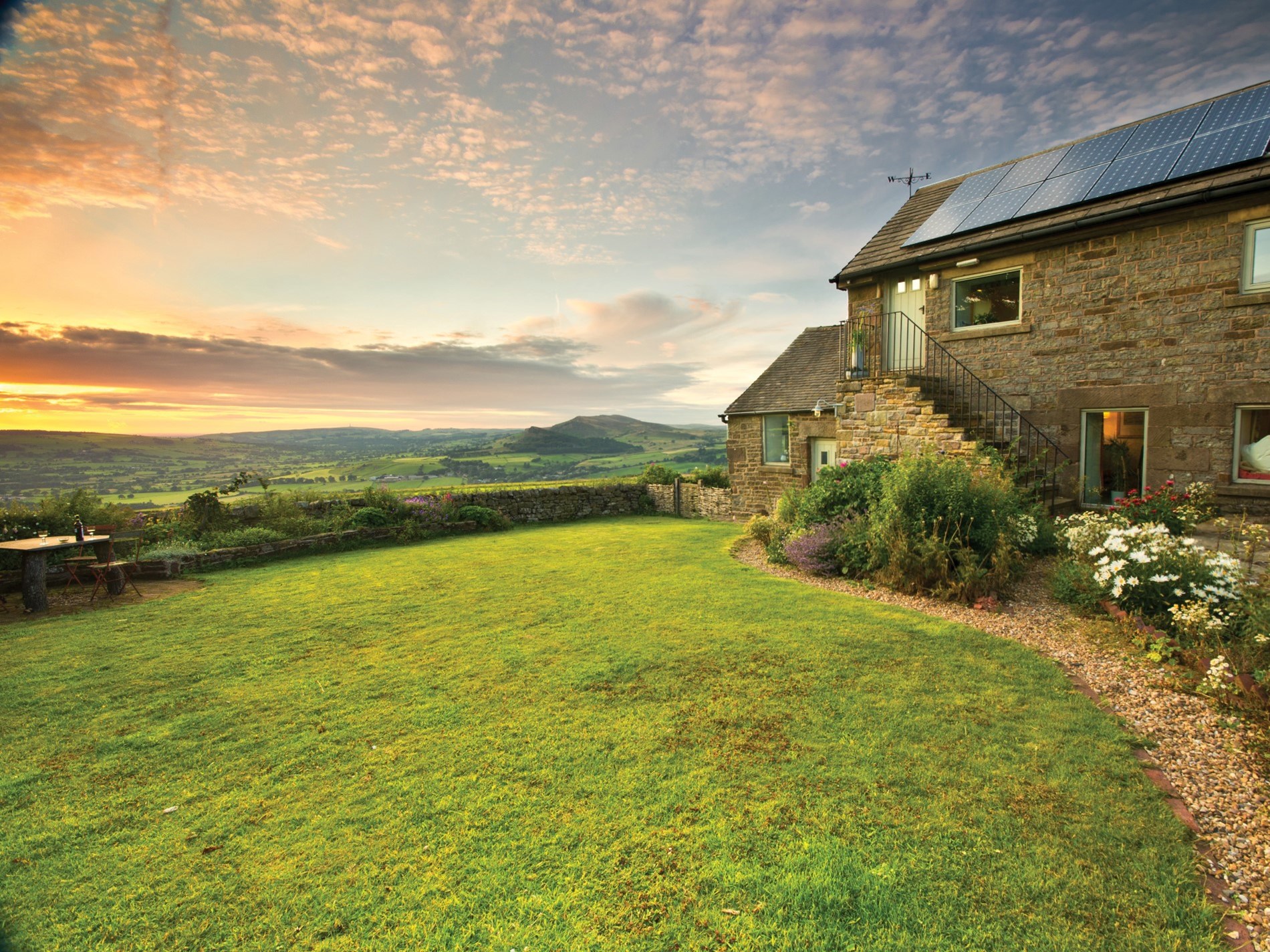
West-facing holiday properties present opposite requirements. Morning light hits these buildings from behind, creating shadowed front elevations. The best time for property photography on west-facing cottages, hotels, and holiday parks is late afternoon to early evening when direct light illuminates featured facades and outdoor entertainment areas.
Properties with prominent south-facing aspects offer maximum flexibility. South-facing buildings receive relatively even illumination throughout the day across most seasons. These properties photograph well during standard mid-morning sessions (10am-12pm) that provide consistency for photographers managing multiple property shoots.
North-Facing Challenges
North-facing properties never receive direct sunlight on their primary facades. This limitation actually simplifies timing decisions. North-facing holiday rentals photograph best during overcast conditions when even, diffused light eliminates the stark shadowing that occurs during sunny weather. Schedule these properties during partly cloudy days rather than clear conditions.
Pro tip: Provide your photographer with property orientation information and Google Maps coordinates before the session. Experienced professionals adjust timing recommendations based on specific property positioning, surrounding trees, and nearby buildings that affect light quality throughout the day.
Frequently Asked Questions
What is the single best time for property photography in the Peak District?
Mid-morning between 10am and 11:30am produces the most consistently flattering results across seasons and property orientations. This window provides soft directional light without the harsh shadows of midday or the scheduling constraints of early morning golden hour. Properties facing any direction photograph acceptably during this period, though orientation-specific timing produces superior results.
Should I photograph my holiday property during sunny or cloudy weather?
Partly cloudy conditions produce better holiday property photos than bright sunshine for most Peak District stone buildings. Thin cloud cover acts as a natural diffuser, eliminating harsh shadows while maintaining adequate brightness. Complete overcast works well for interiors and north-facing exteriors but can appear flat for south and west-facing properties. Avoid heavy grey skies that create gloomy atmospheres.
How does seasonal property photography affect booking rates?
Properties with imagery representing multiple seasons maintain higher occupancy rates throughout the year. Autumn-specific photography particularly influences September-November bookings when travelers actively search for properties showing seasonal character. Winter photography with snow or cosy interior details commands premium rates during December-February. Summer-only photography limits appeal during shoulder seasons when many Peak District visitors travel.
Can I photograph my property myself or should I hire a professional?
Professional photography consistently outperforms owner-shot images in booking conversions. The quality difference stems from equipment, lighting knowledge, and composition expertise that requires years to develop. Properties with professional photography earn back their photography investment within 3-5 bookings through higher nightly rates and increased occupancy. DIY photography works only as temporary placeholder content until professional shoots can be scheduled.
What time should I avoid for holiday property photography?
Never schedule property photography between 12pm and 3pm during April through September. This midday window creates the harshest, most unflattering light conditions with high-contrast shadows, bleached highlights, and flat dimensionality. Properties photographed during these hours appear less appealing than identical properties shot during optimal timing, directly impacting booking conversion rates and perceived property value.
How often should I update my property photography?
Update exterior photography every 18-24 months to maintain current seasonal representation and capture any property improvements. Interior photography requires updates whenever significant decor changes occur or every 2-3 years minimum. Properties that appear dated through outdated photography suffer booking rate declines as competitors maintain fresh imagery. Adding new seasonal shots annually without replacing all images provides cost-effective freshness.