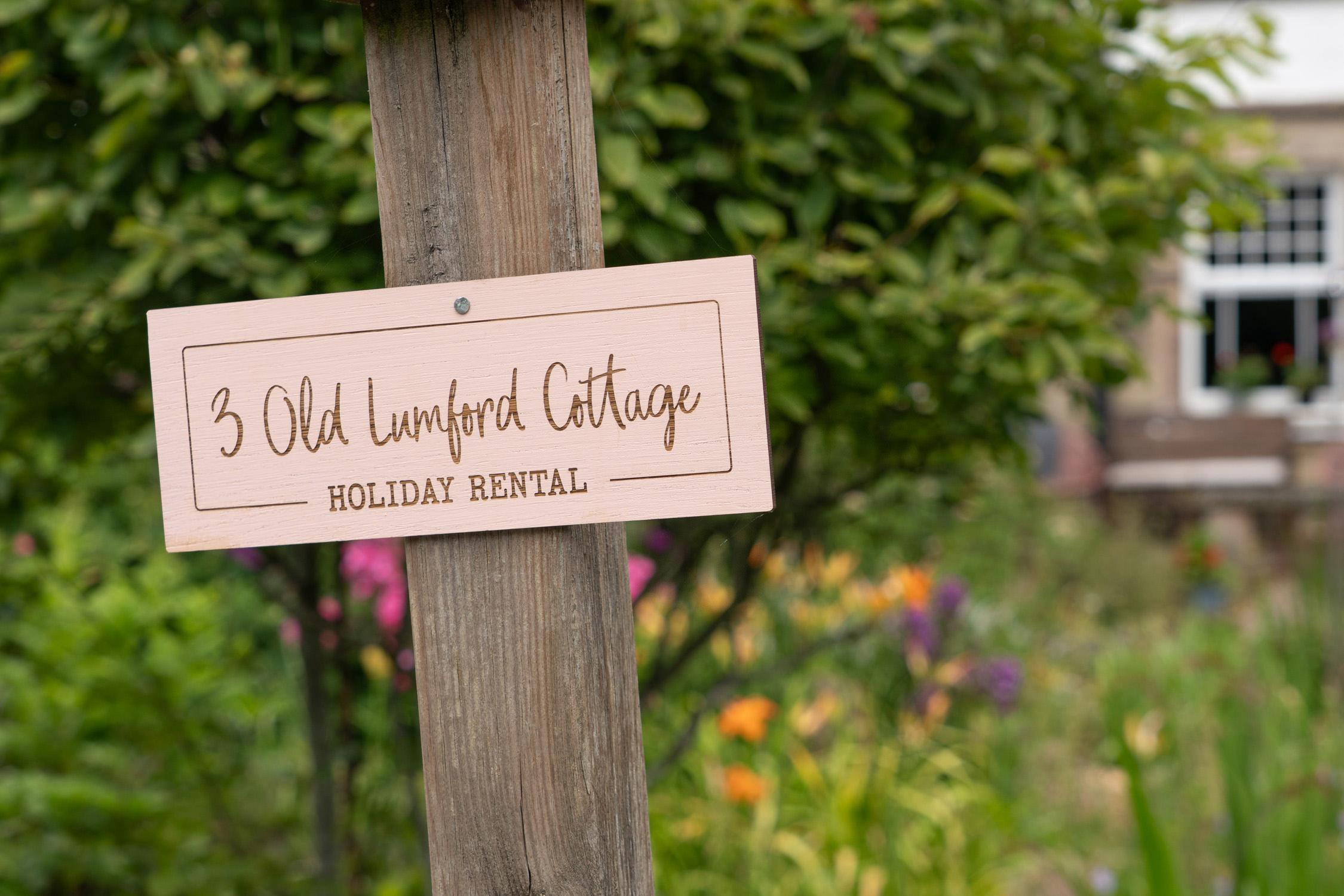
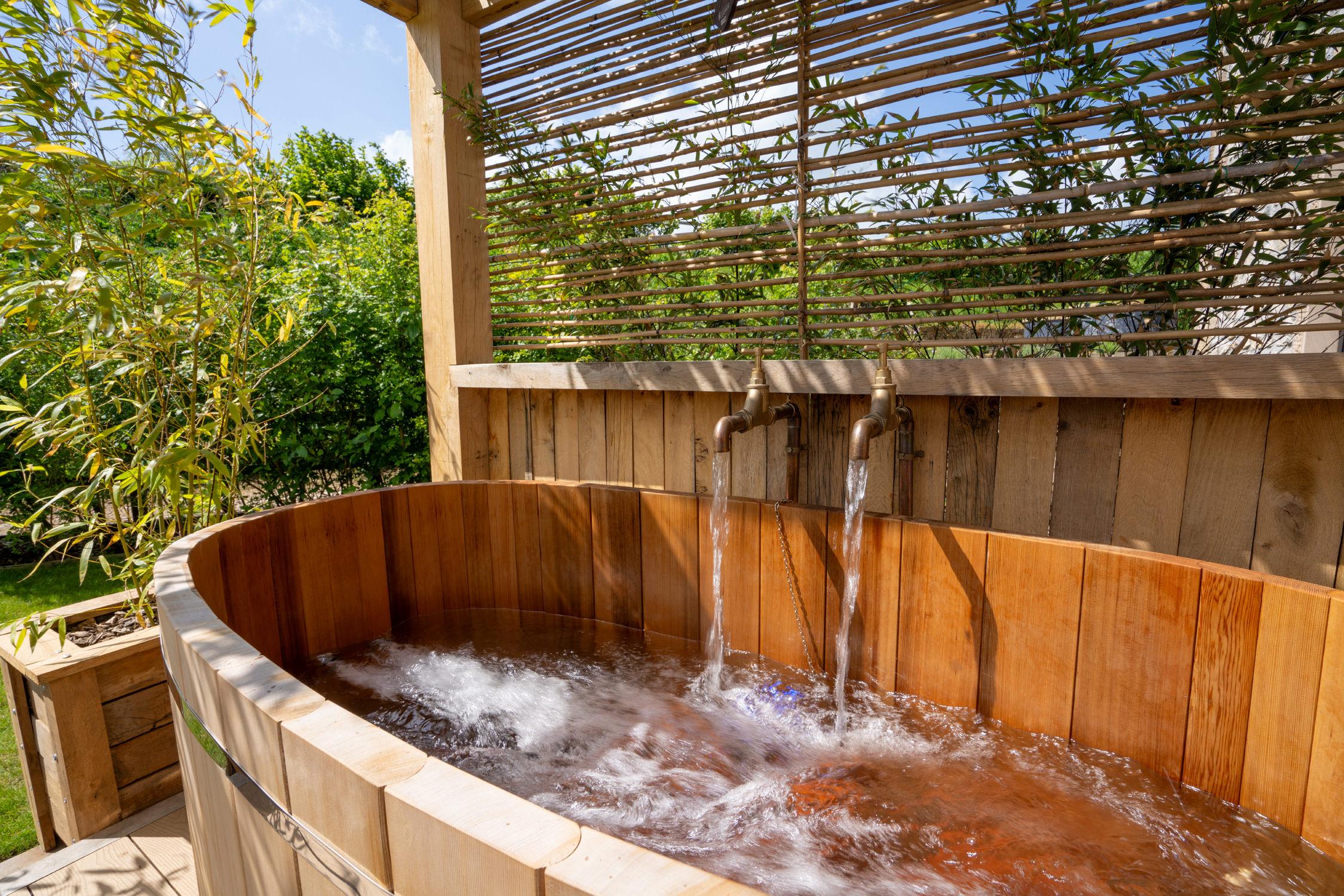
Most holiday property owners update their pricing every season but leave the same photographs on their website for years. That is a serious commercial mistake. Property website photography is not a one-time investment. It is one of the most direct drivers of booking conversion, guest trust, and search visibility. Research from the Cornell University School of Hotel Administration found that high-quality imagery is one of the top three factors influencing online accommodation bookings. If your photos were taken before a renovation, before you added a hot tub, or simply before smartphones raised the visual bar for every competitor, your website is actively costing you bookings right now.
Table of Contents
- Quick Takeaways
- Reason 1: Outdated Photos Directly Reduce Bookings and Conversion Rates
- Reason 2: Seasonal Photography Captures Demand at the Right Moment
- Reason 3: Fresh Imagery Signals Relevance to Search Engines
- Reason 4: Accurate Photography Protects Guest Trust and Reduces Negative Reviews
- Reason 5: Updated Photography Sets You Apart From Every Competitor Using Stock or Old Shots
- Photography Update Approaches Compared
- Frequently Asked Questions
- References
Quick Takeaways
| Key Insight | Explanation |
|---|---|
| Photography age directly affects conversion | Photos older than two years typically do not reflect post-renovation improvements or updated furnishings, causing prospective guests to book elsewhere or be disappointed on arrival. |
| Seasonal imagery drives seasonal bookings | A holiday property in the Peak District photographed only in summer misses the winter short-break market entirely. Each season needs its own visual story. |
| Google indexes fresh image content | New images added to your holiday rental website with proper alt text and file names give search engines a reason to recrawl and re-rank your pages. |
| Photo accuracy reduces negative reviews | When what guests see online matches what they find on arrival, satisfaction scores go up. |
| Drone and aerial imagery is now a differentiator | Aerial photography shows location context that ground-level shots cannot. For Peak District properties, this communicates the surrounding landscape that guests are actually buying. |
| Competitors refresh their photography regularly | Platforms like Airbnb and Booking.com surface properties with higher engagement rates, which are directly influenced by the quality of listing images. |
| One shoot can serve multiple channels | A single professional photography session produces assets for your website, OTA listings, social media, and print materials simultaneously. |
Reason 1: Outdated Photos Directly Reduce Bookings and Conversion Rates
When a prospective guest lands on your holiday rental website, they make a decision about trust within seconds. Property website photography is the primary visual signal they use to assess whether your property is worth the price you are charging. If those photos were taken five years ago on a DSLR that has since been replaced by two generations of better equipment, the quality gap is visible, even to non-photographers.
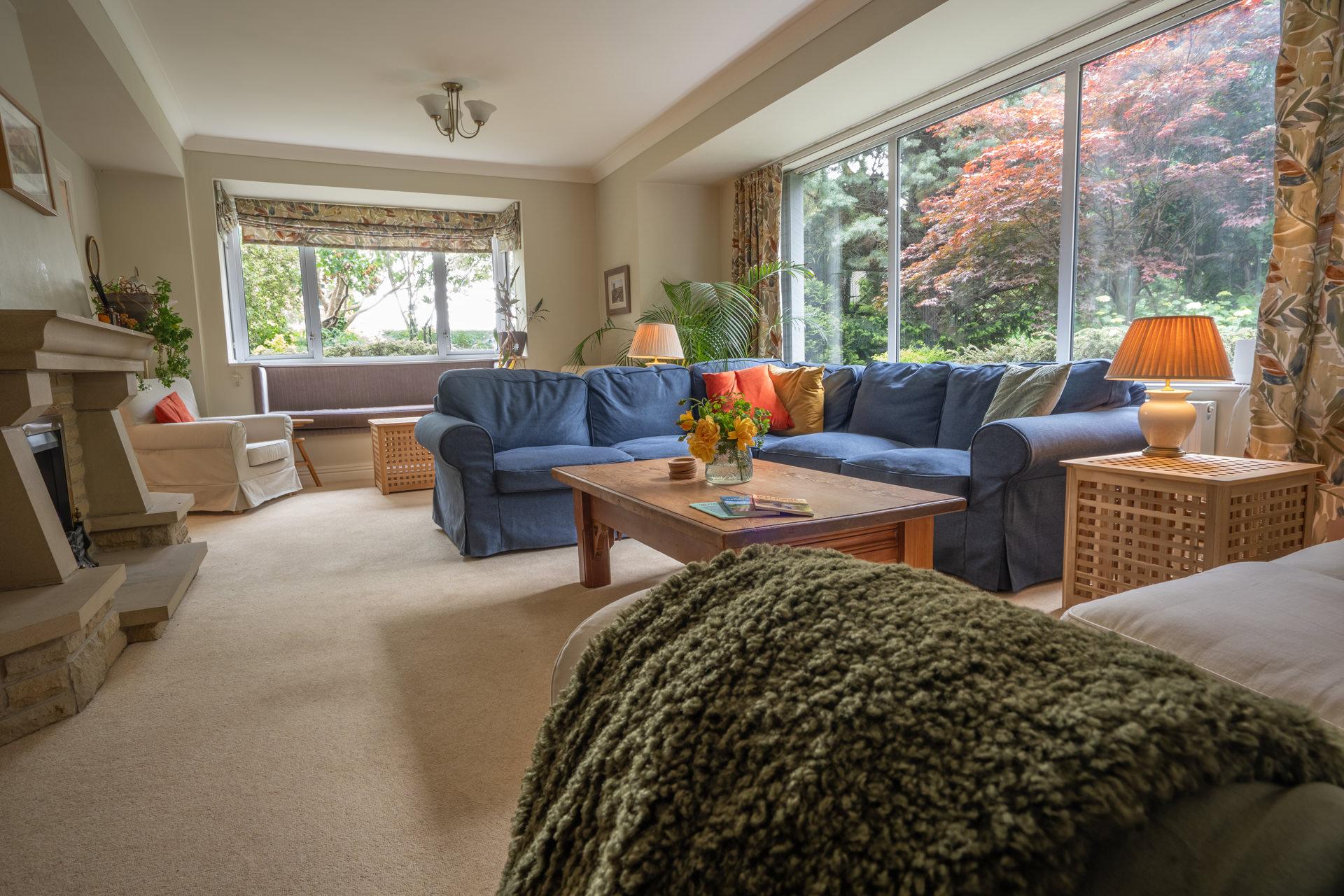
In practice, the most common conversion killer is not bad photography taken recently. It is photography that no longer matches the property. A kitchen renovation, new garden furniture, a fresh coat of paint, and a newly installed wood-burning stove. These are all value signals that guests cannot see if your imagery predates them.
According to HubSpot’s marketing research, landing pages with updated and relevant visual content consistently outperform those with stale assets, with conversion rate improvements ranging from 20 to 80 per cent depending on the industry. Holiday rentals sit firmly at the higher end of that range because the product being sold is almost entirely visual before the stay begins.
Pro tip: Plan a photography update every time you make a tangible improvement to the property, whether that is new soft furnishings, landscaping changes, or an added amenity. Each upgrade is a booking argument that only works if guests can see it.
The Cost of Keeping Old Photos Online
A common mistake is treating photography as a sunk cost rather than a revenue asset. Owners think, “We already paid for photos, so we will use them until they are completely unusable.” But every month a property is marketed with images that undersell it is a month of lower occupancy and lower average booking values.
For a Peak District holiday cottage charging £1,200 per week, even one extra booking per quarter attributable to improved photography pays for a full professional shoot several times over. The return on updated imagery is not marginal. It is substantial and measurable.
Reason 2: Seasonal Photography Captures Demand at the Right Moment
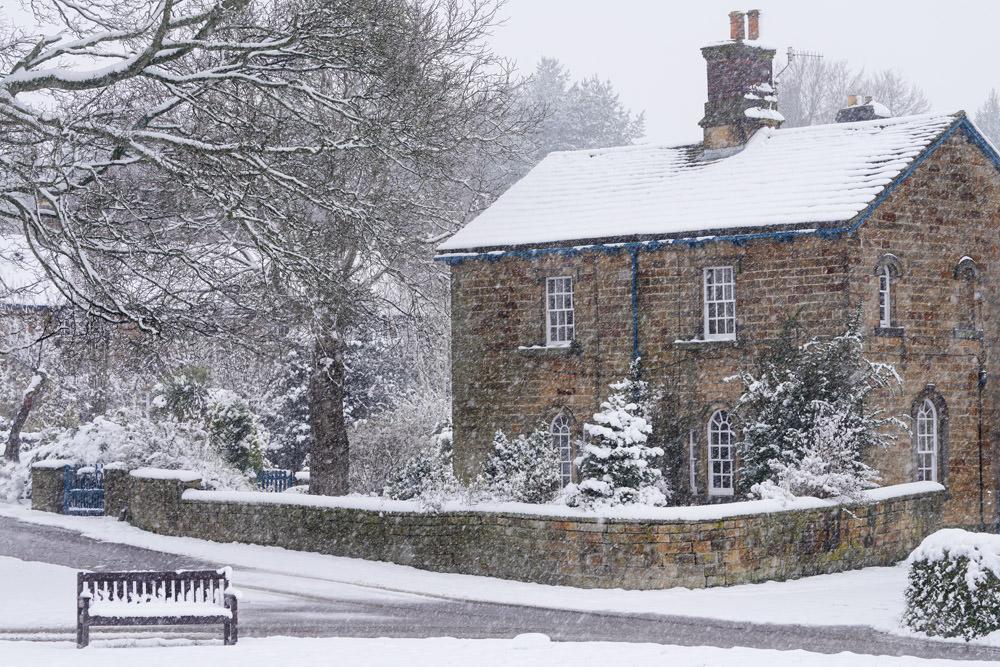
The Peak District looks completely different in January versus July, and the people booking those stays are looking for completely different experiences. A walker booking a February break wants to see frost on the gritstone edges and a warm log fire waiting at the end of a day on the moors. A family booking in August wants to see a sunlit garden and proximity to trails their children can manage.
If your holiday rental website shows only one season, you are visually relevant to one segment of the booking market. That is a significant missed opportunity in a destination like the Peak District, where autumn foliage, winter landscapes, and spring wildflower meadows each generate their own wave of short-break demand.
How Seasonal Updates Work in Practice
The most effective approach is not replacing your entire image gallery each season. It is rotating a set of hero images and key interior shots to match the time of year. Your main banner image in December should show the property in winter light with the landscape behind it. In May, it should show the garden coming into bloom.
This does require building a library across multiple seasonal shoots, but that library becomes a long-term commercial asset. Destination marketing organisations, tourism boards, and holiday property management companies in the Peak District already operate on this principle. The properties that consistently outperform on OTA platforms tend to be the ones that have invested in seasonal image libraries rather than a single once-a-decade shoot.
Pro tip: If budget limits you to one shoot per year, schedule it in late September or early October. That single session captures autumn colour, the beginning of the cosy interior season, and usable low-light golden-hour shots that serve both your autumn and winter marketing cycles.
“Visual storytelling is the single most underused tool in the direct booking strategy of small accommodation providers. The property that shows guests a complete seasonal story converts at two to three times the rate of properties relying on a single photoshoot.” – Dr. Chekitan Dev, Professor of Marketing, Cornell University School of Hotel Administration
Reason 3: Fresh Imagery Signals Relevance to Search Engines
Search engine optimisation for a holiday rental website is not only about text content and backlinks. Image SEO is a measurable component of how often your pages are crawled, re-indexed, and surfaced in both standard and image search results. When you add new, properly optimised images to your property pages, you give search engines a reason to recrawl those pages, which can trigger ranking improvements for competitive keywords like “Peak District holiday cottage” or “pet-friendly accommodation Derbyshire”.
According to Moz’s research on on-page SEO, pages that receive regular content updates, including new images with fresh alt text and descriptive file names, tend to maintain stronger crawl frequency than static pages that have not been touched in months. For a holiday property website competing against large OTA platforms, every technical advantage matters.
What Proper Image Optimisation Looks Like
The image file name should describe what is in the photograph, not be called “IMG_4782.jpg.” An image named “peak-district-holiday-cottage-winter.jpg” with matching alt text does three things: it tells search engines what the image shows, it reinforces the page topic, and it can appear in Google Image search for relevant queries that attract prospective guests.
Page speed is also affected by how images are handled. Oversized image files slow down your website, which directly harms both user experience and Google’s Core Web Vitals scores. A photography update is an opportunity to replace legacy image files with modern, correctly sized formats that load faster and score better.
Google Discover and Visual Search
Google Discover increasingly surfaces content based on visual quality signals. High-resolution, geographically relevant images of Peak District properties that have been properly tagged and structured are more likely to appear in Discover feeds for users who have shown interest in UK short breaks or outdoor travel. This is free organic visibility that requires no additional ad spend, but it does require current, high-quality photography updates on your website.
Reason 4: Accurate Photography Protects Guest Trust and Reduces Negative Reviews
There is a direct and uncomfortable link between misleading property photography and negative reviews. The most common complaint pattern across TripAdvisor, Booking.com, and Google Reviews for holiday accommodation is some version of: “Not as pictured.” Sometimes that is a deliberate misrepresentation, but more often it is simply the result of photography that has not been updated to reflect how the property looks today.
A garden that looked immaculate in photos but is now overgrown, a bathroom that was refurbished but still appears in its old state online, and interiors that look much smaller or darker in person than the photography suggested. All of these create a gap between expectation and reality that guests experience as a betrayal of trust, regardless of the owner’s intent.
The Review Score Economics
A common mistake is underestimating how much a single one-star review costs. On Booking.com, properties with an average score below 8.0 are algorithmically penalised in search rankings on the platform. For a Peak District holiday property relying on OTA visibility, a sustained dip in review scores can reduce bookings by 15 to 30 percent according to Statista data on accommodation search behaviour. Accurate, current photography that sets honest expectations is one of the most direct tools for protecting your review score.
Pro tip: Before any photography update, walk through the property with fresh eyes as if you were a first-time guest. Note every feature that has changed since the last shoot and make sure the new photography reflects the current state accurately, including anything that might be considered a limitation.
Reason 5: Updated Photography Sets You Apart From Every Competitor Using Stock or Old Shots
The Peak District holiday accommodation market is competitive. Search for any combination of ‘cottage’, ‘Peak District’, and ‘number of bedrooms’ on any OTA platform and you will get dozens of results. The properties that consistently appear at the top and maintain high occupancy rates are almost universally the ones investing in professional, current, location-specific photography.
A common pattern among competitors in this market is to rely on photography taken at the point of first listing and never update it. That creates a real and exploitable gap. When your property page shows fresh, professionally lit, seasonally relevant imagery while competing properties are still showing the same four slightly blurry photos from 2019, your listing stands out without you having changed anything about the property itself.
Aerial and Drone Photography as a Differentiator
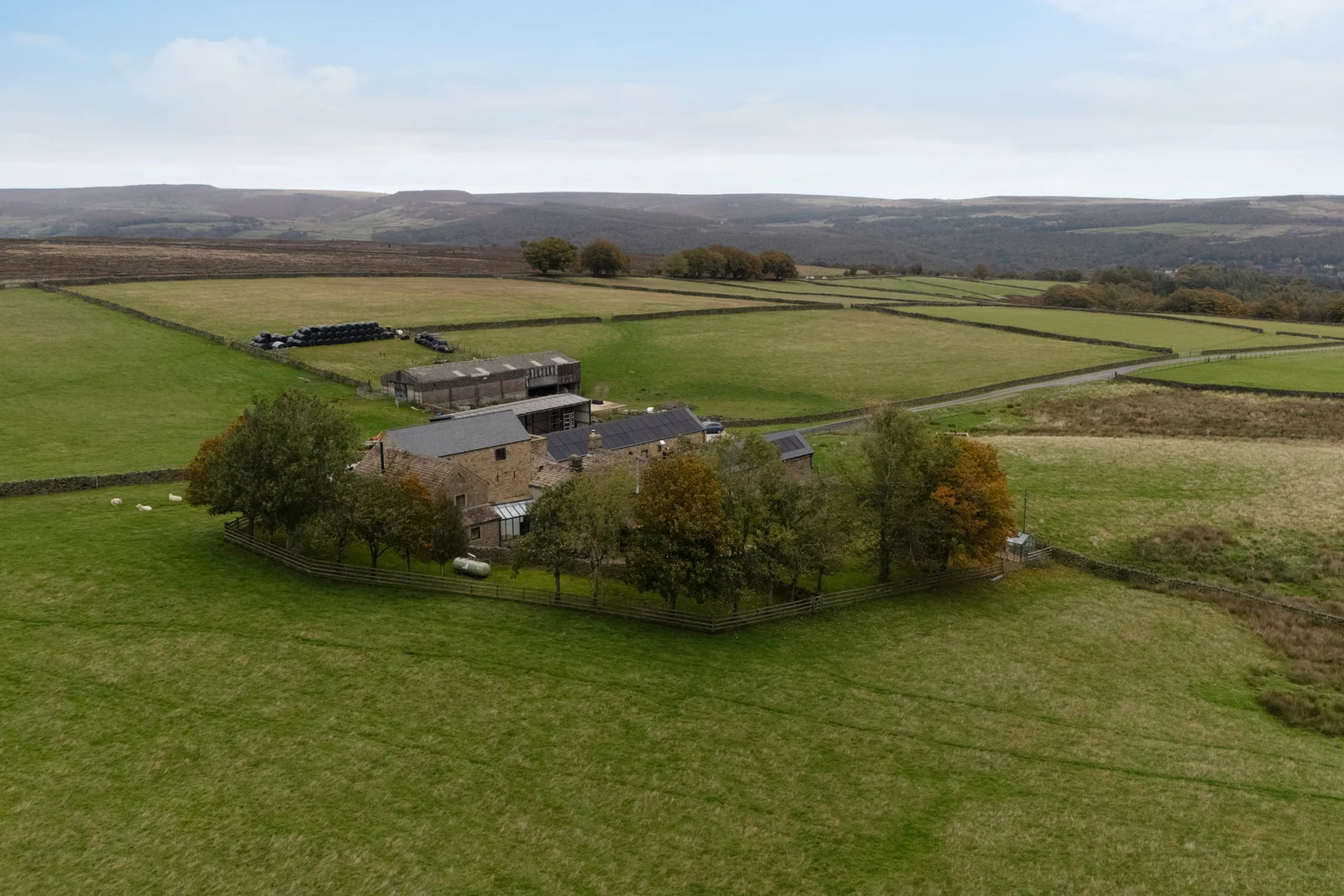
For Peak District properties specifically, aerial photography changes the entire conversation about what guests are buying. A ground-level photo of a stone cottage tells guests about the building. An aerial photograph taken at golden hour shows the same cottage surrounded by moorland, accessible footpaths, and a valley that extends for miles. That image is selling a lifestyle and a location, not just four walls.
Very few smaller holiday property operators in the Peak District currently use aerial photography as part of their standard image set. That makes it one of the highest-return photography investments available right now for any holiday property owner in the region. The window where this is a differentiator rather than standard practice will not remain open indefinitely.
Photography Updates Support Direct Booking Strategy
Every time you update your photography on your holiday cottage website, you give your direct booking channel a genuine advantage over your OTA listings. OTA platforms display your images within their own interface, surrounded by competitor listings. Your own website, with current and expertly produced imagery, can create an immersive first impression that an OTA listing simply cannot replicate. Driving guests from OTAs to direct bookings saves the 15 to 20 percent commission those platforms charge, and better photography is one of the primary tools for making your own website the more compelling destination.
Photography Update Approaches Compared
| Approach | What It Involves | Best Suited For |
|---|---|---|
| One-time professional shoot | A single session covering interiors, exteriors, and key amenities. Images used across all channels until the next update. | New listings or properties that have not been photographed professionally. Provides a baseline but requires follow-up seasonal updates. |
| Annual seasonal refresh | A planned shoot once or twice per year to update hero images, exterior shots, and key selling features with current seasonal context. | Established properties in seasonal destinations like the Peak District where the landscape itself is a primary booking motivator. |
| Ongoing multi-season library build | Scheduled shoots across all four seasons over one to two years, building a complete image library that covers every market segment and booking window. | Properties targeting multiple guest demographics or those investing in direct booking growth and reducing OTA dependency over time. |
Frequently Asked Questions
How often should holiday property photography be updated?
At minimum, property website photography should be reviewed and partially updated every 12 to 18 months. Any time a significant improvement is made to the property, such as a renovation, new amenities, or landscaping changes, a photography update should happen immediately to reflect the current value of the property to prospective guests.
Does updating photos on a holiday rental website actually improve search rankings?
Yes, and the mechanism is well-documented. New images added with fresh alt text and descriptive file names prompt search engine crawlers to revisit your pages. Regular content updates, including new photography, are a positive signal for page freshness, which is one of the factors Google uses to determine ranking relevance for time-sensitive queries like accommodation searches.
What is the difference between property photography and destination photography for a holiday rental website?
Property photography focuses on the interior and exterior of the accommodation itself. Destination photography shows the surrounding landscape, local attractions, and the broader experience that guests will have. For Peak District properties, destination and landscape imagery is as commercially important as the interiors because guests are largely motivated by the location. Both types are needed for a complete and converting holiday rental website.
Can I update my own property photos with a smartphone instead of hiring a professional?
Smartphone cameras have improved significantly, but they do not replace professional photography for a commercial holiday rental website. Professional photographers bring controlled lighting, wide-angle lenses calibrated for interiors, RAW file editing, and the compositional expertise to make rooms look their actual size and appeal. The data consistently shows that professionally photographed listings on OTA platforms attract significantly more clicks and enquiries than owner-photographed alternatives at the same price point.
Does aerial drone photography make a meaningful difference for Peak District holiday properties?
In practice, yes. Aerial photography communicates the one thing that matters most to Peak District guests: the landscape they are booking into. Ground-level photography cannot show the relationship between a property and its moorland or valley setting. Aerial shots taken at golden hour or in autumn conditions create an emotional pull that significantly influences booking decisions. For properties where the location is the primary selling point, aerial photography updates deliver some of the highest returns of any marketing investment.
How do photography updates support direct bookings versus OTA listings?
When your own holiday rental website features more current, immersive, and professionally produced photography than your OTA listing, it gives guests a compelling reason to book directly with you rather than through the platform. Direct bookings save the 15 to 20 percent OTA commission on every transaction, meaning better photography on your own website has a direct and measurable impact on profit margin, not just occupancy rate.
If you manage a holiday property or work in destination marketing and have experience with photography updates changing your booking rates, share what worked or did not work for your situation in the comments below.
We would love your feedback and any insights you would share with others. What perspective would you add?
References
- Statista research on accommodation booking behaviour and the influence of visual content on travel decisions
- HubSpot marketing statistics on conversion rates and the impact of visual content on landing page performance
- Moz SEO learning centre covering on-page optimisation factors including image SEO and content freshness signals
- Forbes coverage of hospitality industry trends including the commercial impact of professional photography on short-term rental performance
- Ahrefs blog covering technical and on-page SEO best practices including image optimisation for improved search visibility
- Taylor Mottershead for property photography example
- Aerial photography at Ladywash Farm